Inventor 2350 W (Pico 2 W Aboard)
Price:
Sale price
£34.50
Stock:
Quantity:
 Skip to content
Login / Signup
Cart
Your cart is empty


The Inventor 2350 W is a Pico 2 W-powered board for motors, servos, sensors, and sound, with built-in wireless connectivity for connected creations.
Inventor 2350 W is a multi-talented board that does (almost) everything you might want a robot, prop or other mechanical thing to do. Drive a couple of standard motors (or fancy motors with encoders)? Yep! Add up to six servos? Sure? Attach a little speaker so you can make noise? No problem! It's also got a battery connector so you can power your inventions from AA/AAA or LiPo batteries and carry your miniature automaton/animated top hat/treasure chest that growls at your enemies around with you untethered.
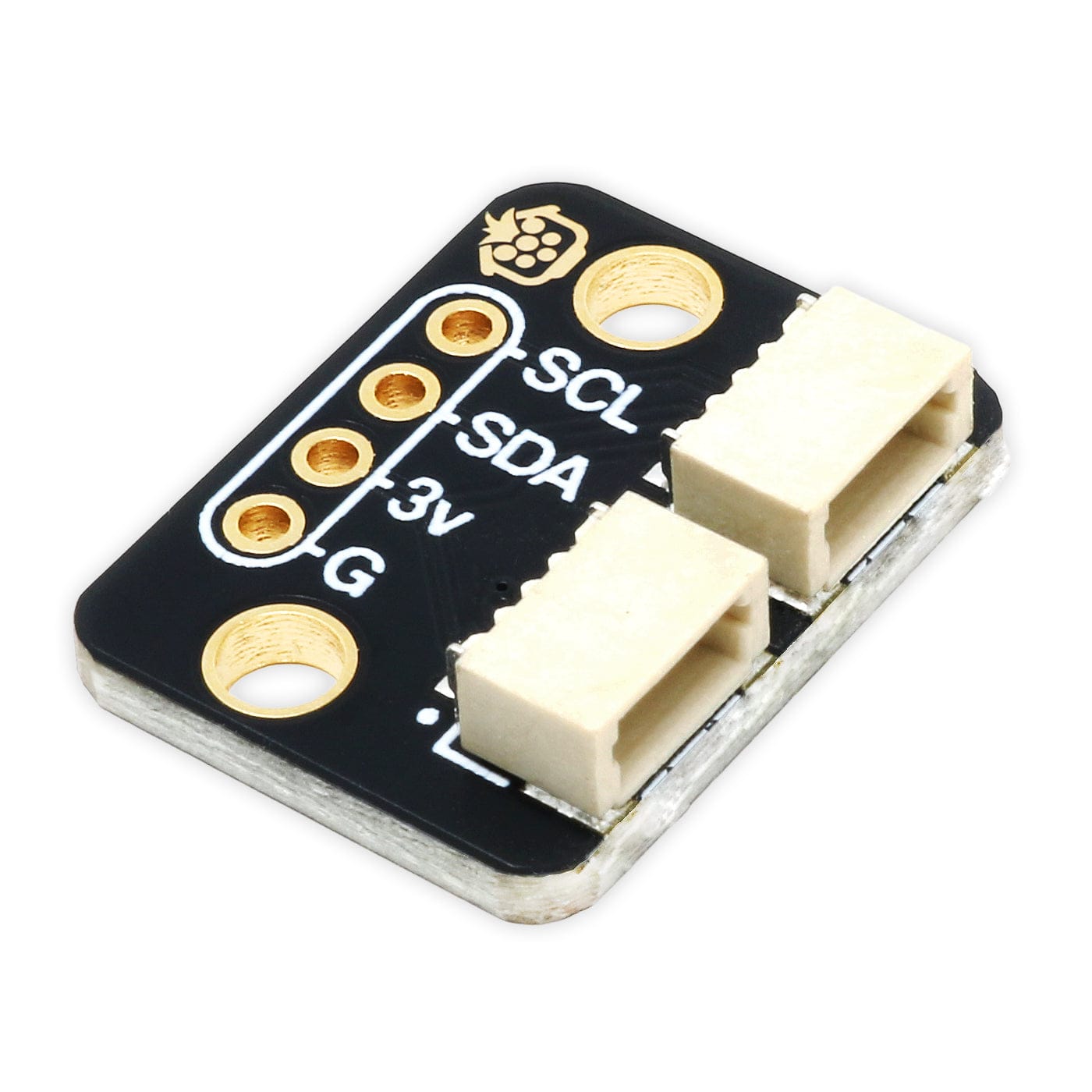
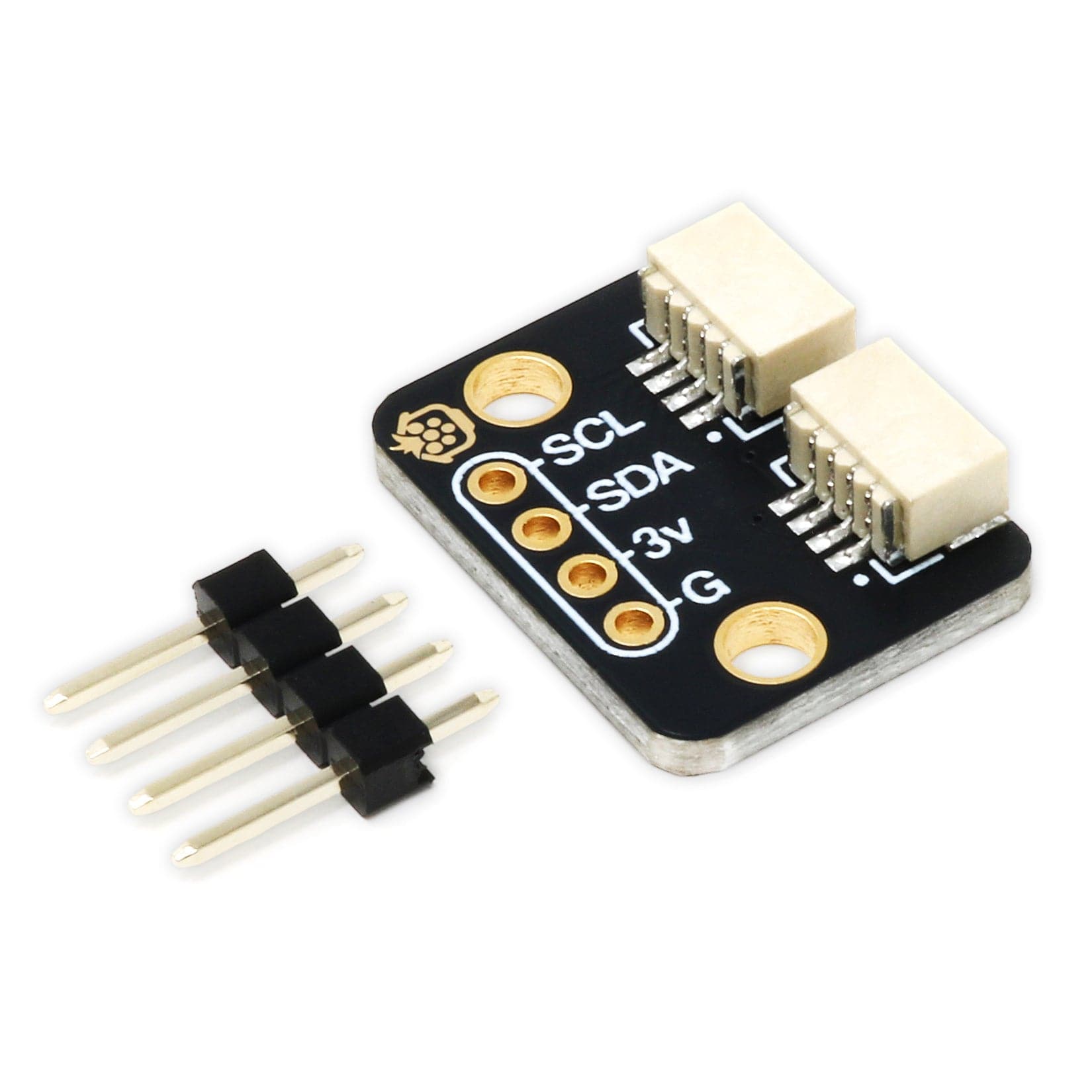
You also get a ton of options for hooking up sensors and other gubbins - there's two Qw/ST connectors for attaching breakouts, three ADC pins for adding analog sensors, photoresistors and such, and three spare digital GPIO you could use for LEDs, buttons or digital sensors. Speaking of LEDs, we've also somehow managed to fit in 12 addressable LEDs (AKA Neopixels) - one for each servo and GPIO/ADC channel (or just use the whole lot for making rainbows, that's fine too).
Best of all though, is the brains of the outfit - the onboard Raspberry Pi Pico 2 W, which will give your creations 2.4GHz wireless connectivity. Use it to trigger your mechanical friends to do their thing remotely, or hook your robotic canary up to an API and report the air quality in your neighbourhood.
Motors, servos, batteries and speakers are sold separately.
Our MicroPython libraries make it easy to get to grips with Inventor's hardware. You can download the latest Inventor 2350 W firmware at the link below. Copy the '-with-filesystem' .uf2 to your board to get the examples pre-loaded!
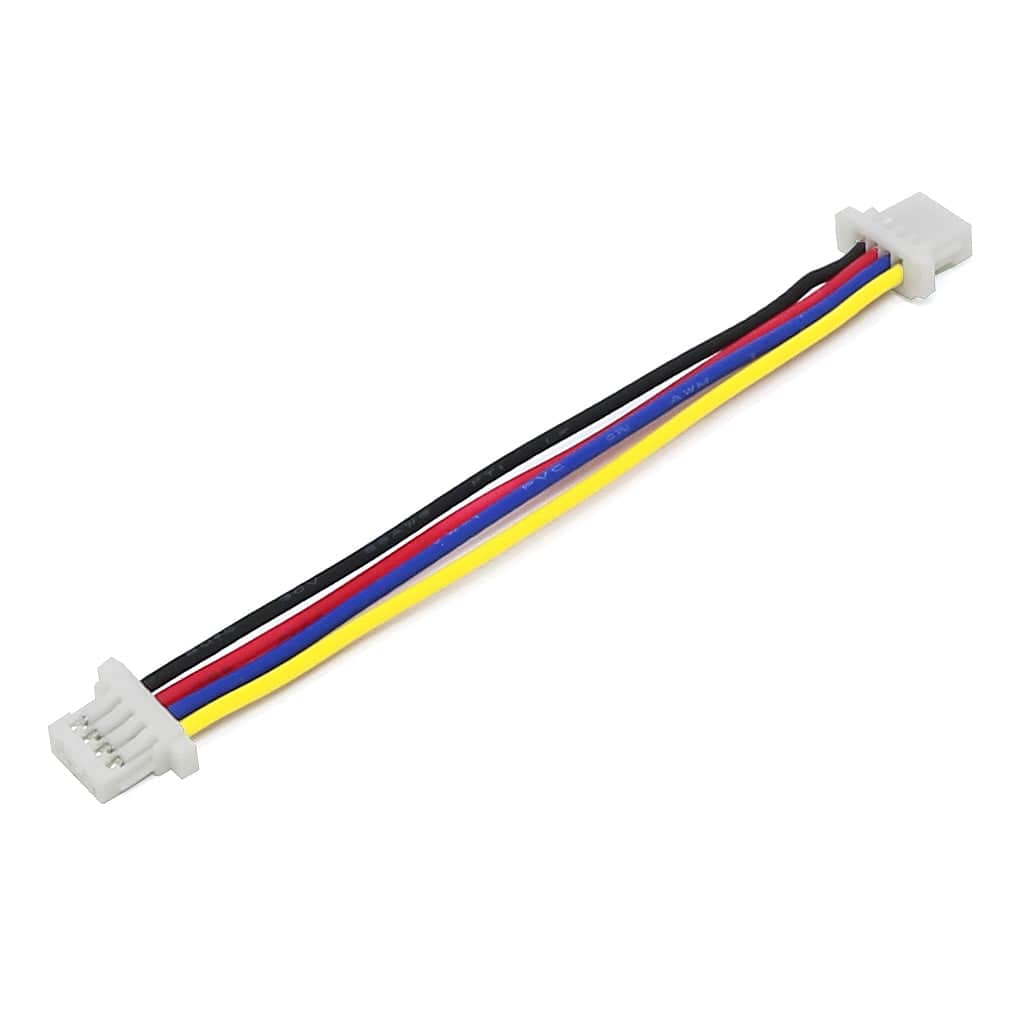
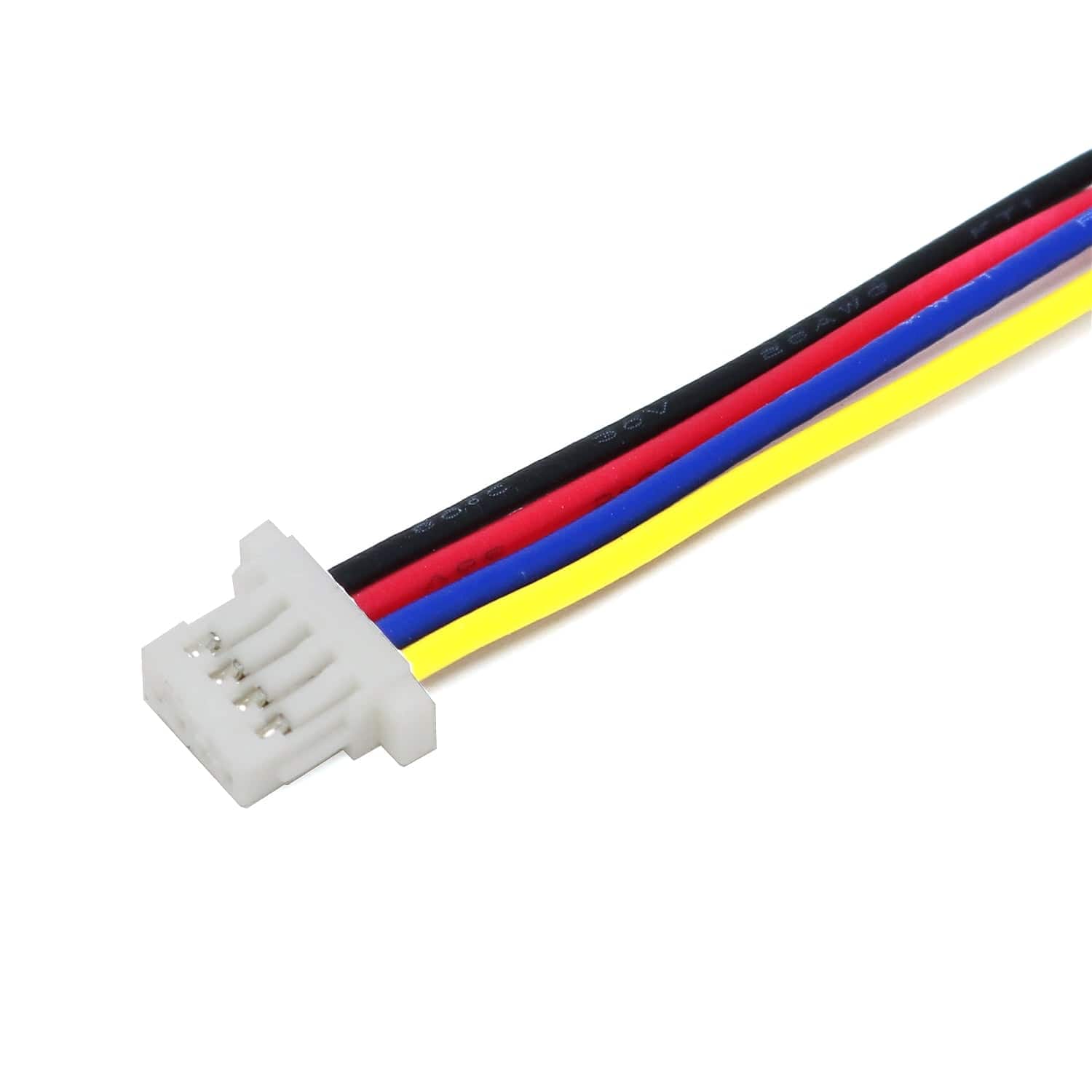
Inventor 2350 W has two Qw/ST (AKA Qwiic/STEMMA QT) connectors, so you can connect up Qw/ST breakouts easily using JST-SH to JST-SH cables.
Your payment information is processed securely. We do not store credit card details nor have access to your credit card information.