Arduino Ventuno Q
Price:
Sale price
£347.70
Stock:
Login / Signup
Cart
Your cart is empty


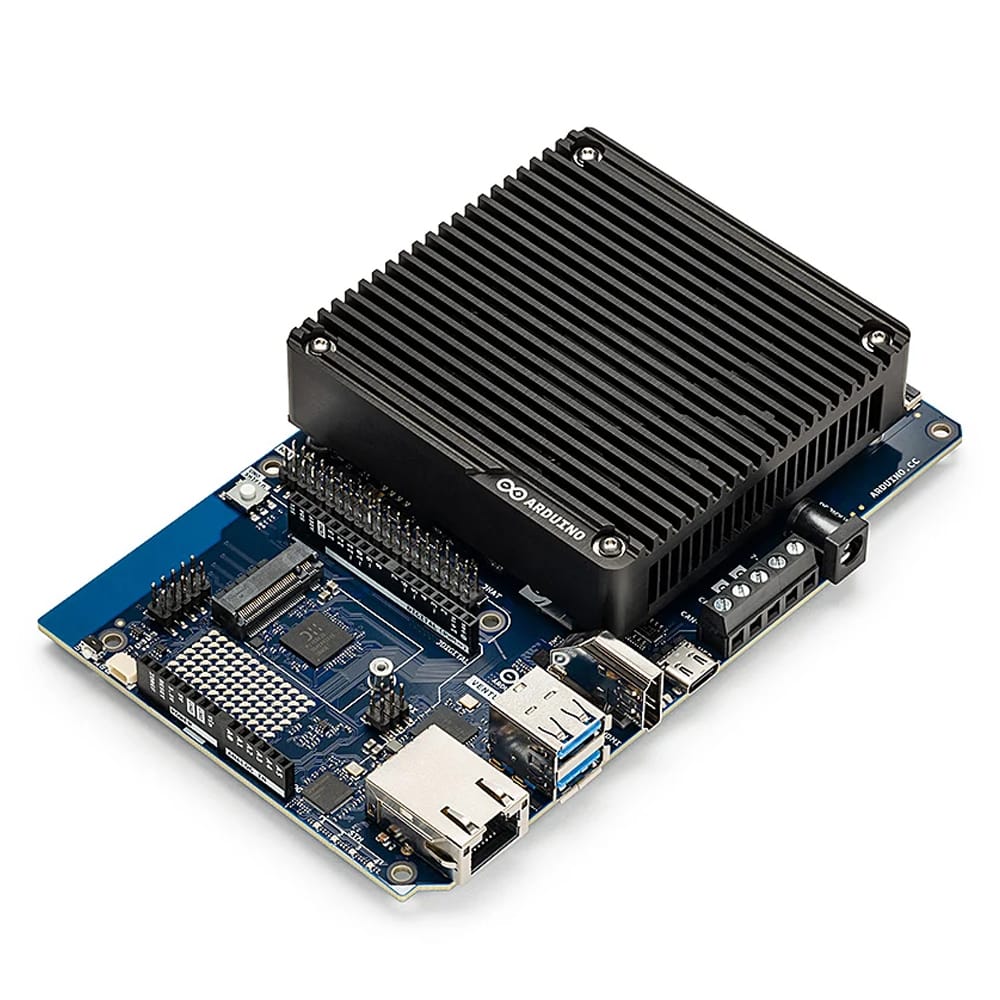
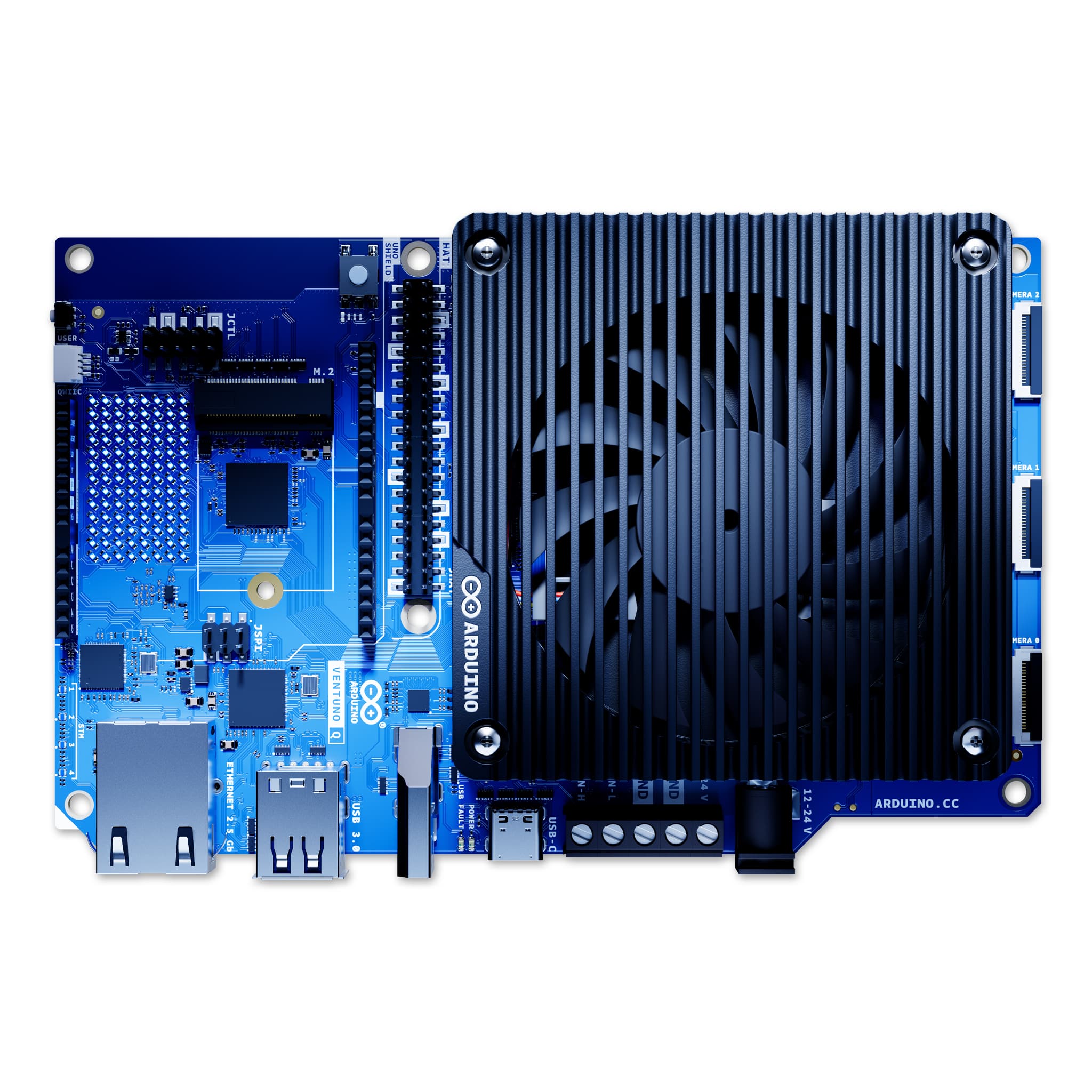
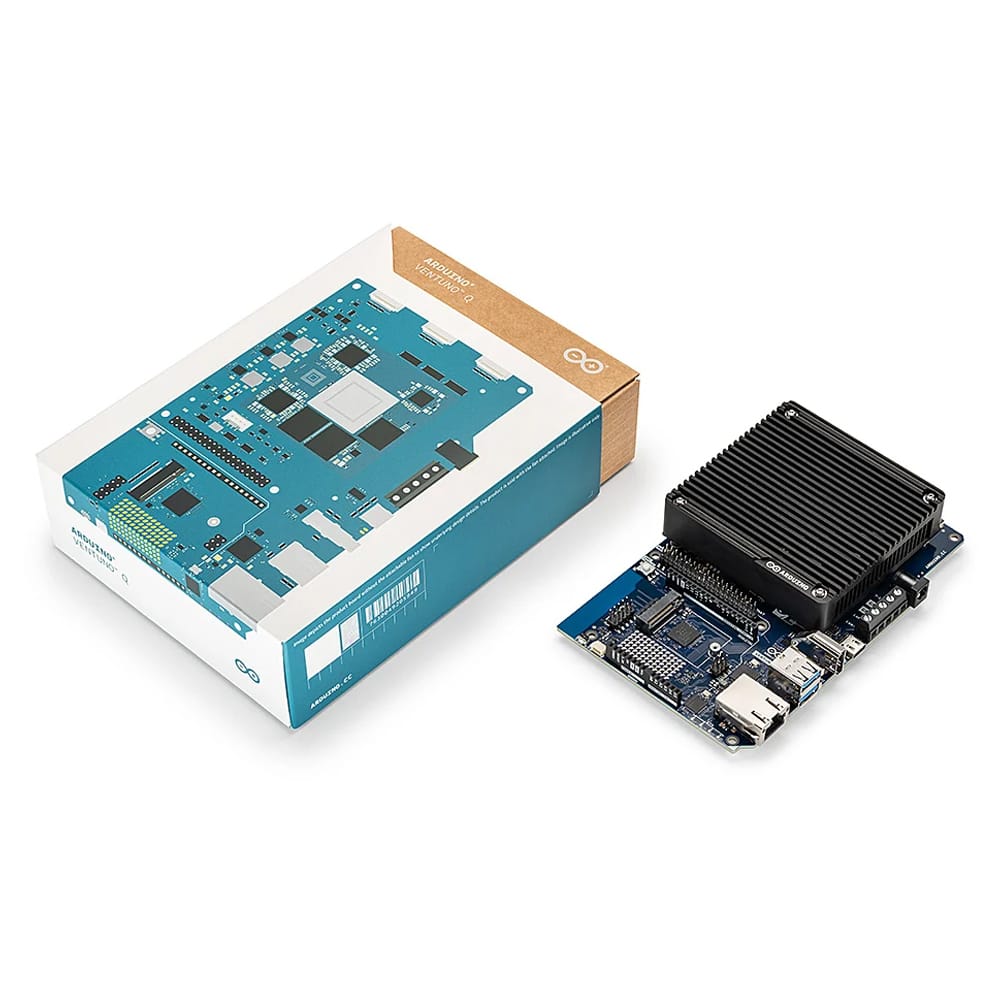
Arduino Ventuno Q is a dual-brain edge AI and robotics platform delivering up to 40 dense TOPS of AI acceleration alongside fast, precise control of connected hardware.
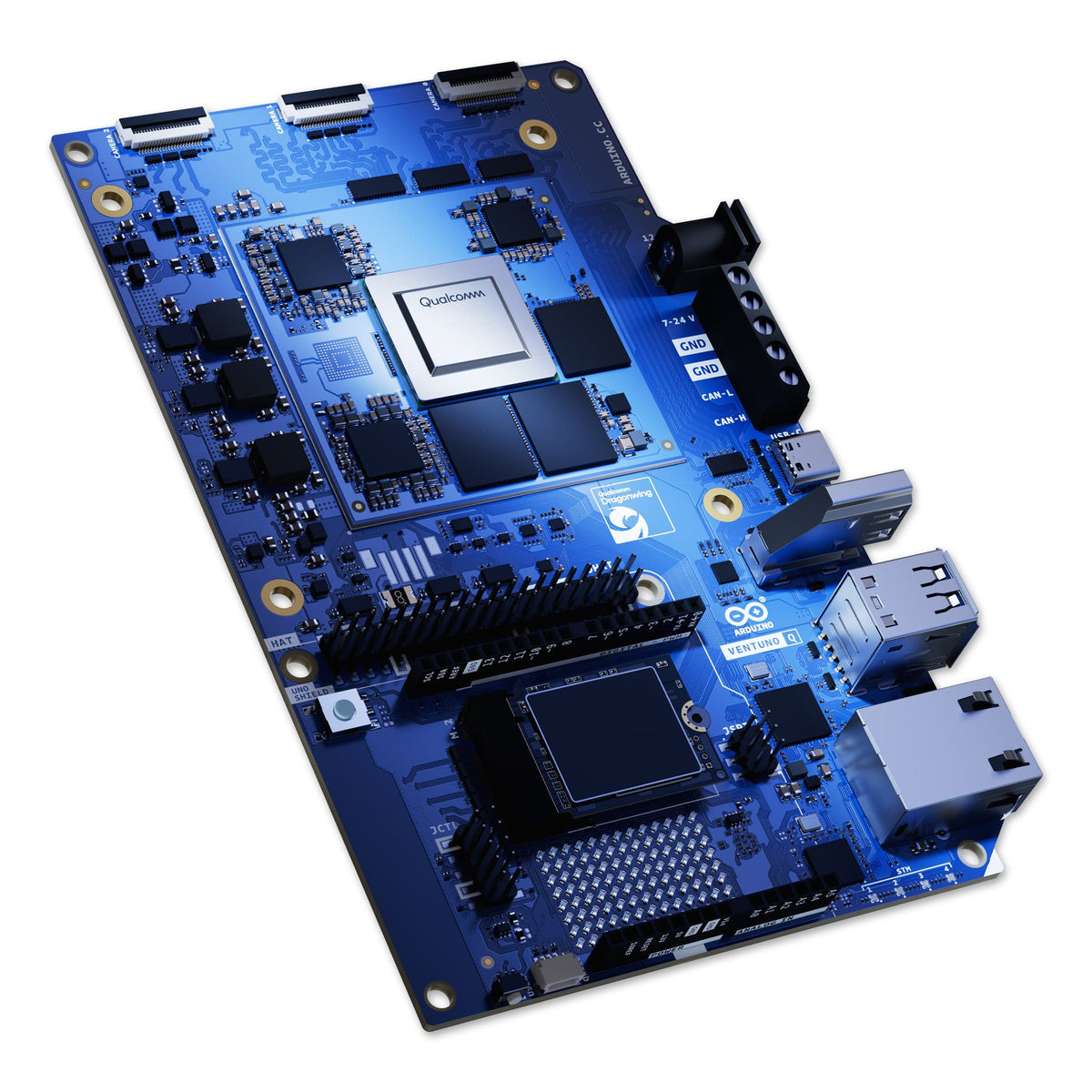
Built around a dual-brain architecture that pairs a Qualcomm Dragonwing™ IQ8 MPU with a dedicated STM32H5 real-time microcontroller, Arduino Ventuno Q doesn’t just interpret the world, it interacts with it. So you get sensing, decision, and action all on one board, on the edge, offline.
The AI brain delivers up to 40 dense TOPS of NPU acceleration for vision models, LLMs, and multi-modal AI inference. The action brain runs the Arduino Core on Zephyr RTOS, enabling sub-millisecond, deterministic control of motors, CAN-FD, PWM, and GPIO. The two communicate seamlessly via an RPC bridge: no multi-device complexity, no latency penalty, no compromise.
It’s the most powerful Arduino platform to date, offering 16 GB LPDDR5 RAM and 64 GB industrial-grade eMMC. On the MPU side, it runs standard upstream Ubuntu (and Debian coming soon) Linux. Yet it maintains the openness, versatility, and ease of use that Arduino has become synonymous for.
Docker and apt are already installed and available on the board, and it’s compatible with VS Code, PyCharm, and Jupyter - with no proprietary SDK and no lock-in.
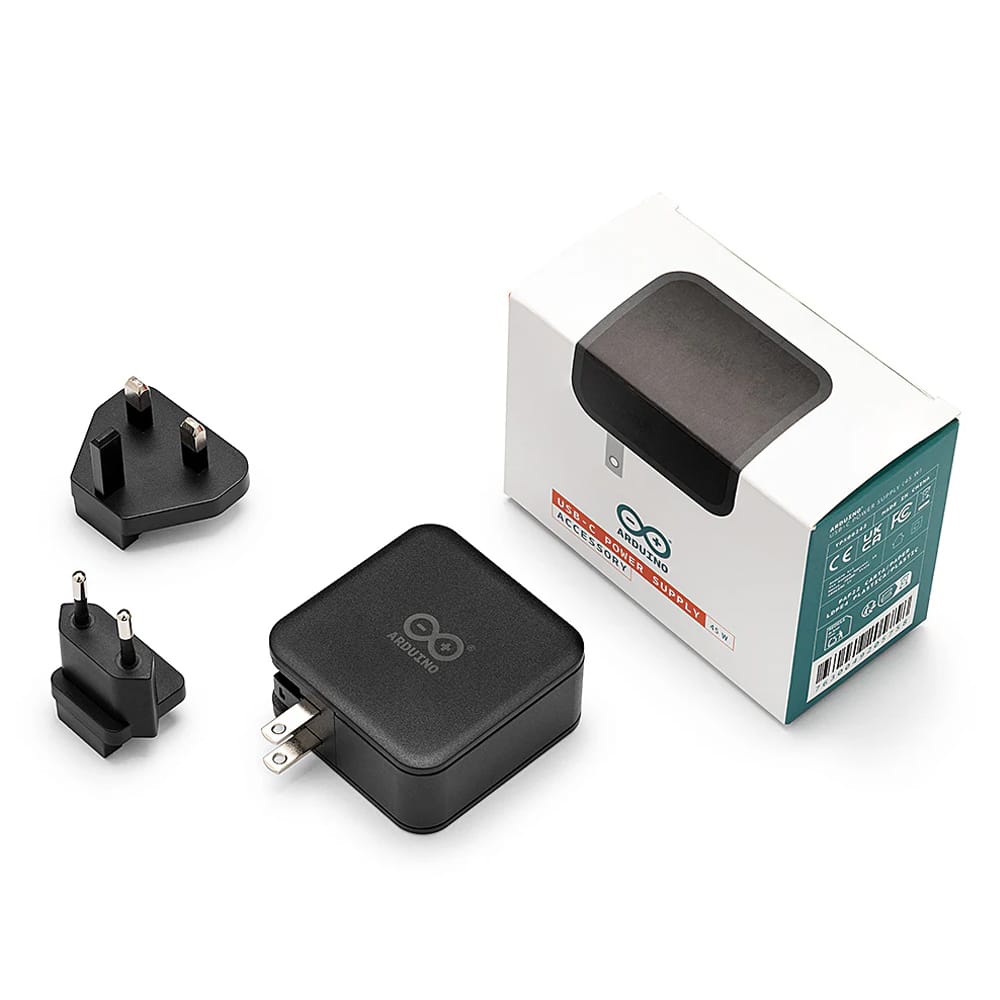
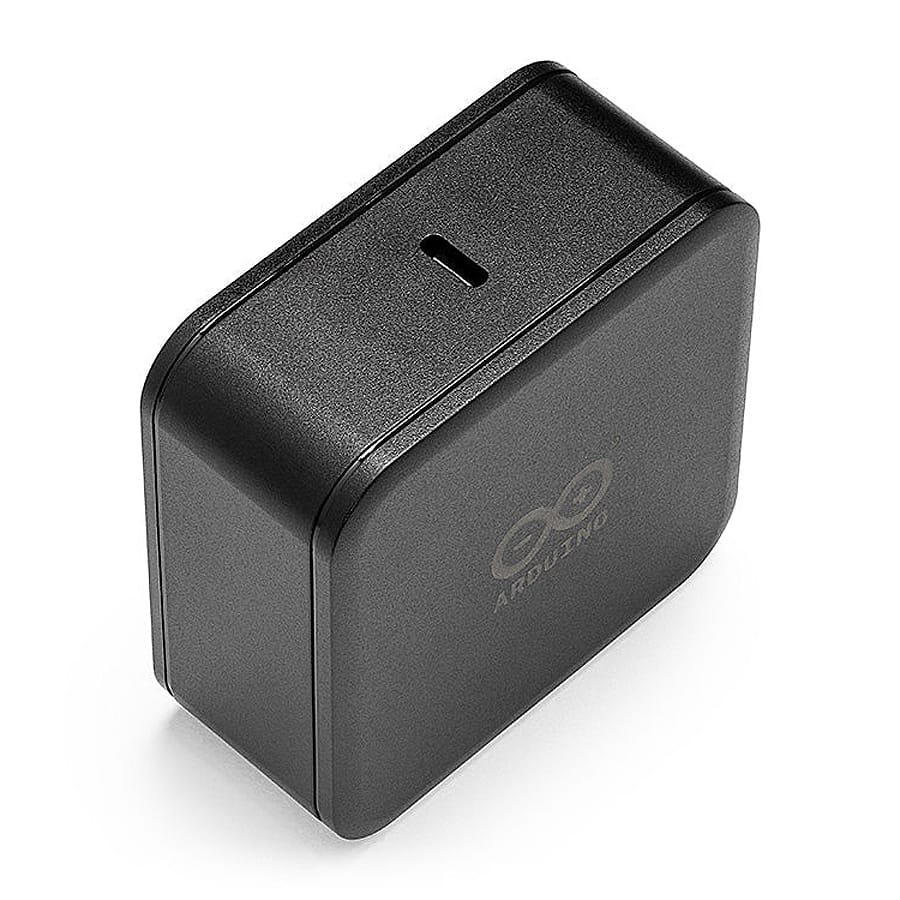
Power supply not included.
You can program Ventuno Q with the tools you are used to. Or you can enjoy the all-new Arduino App Lab, for an integrated development environment that unifies the journey across Linux and real-time OS.
Preloaded on Ventuno Q, Arduino App Lab combines Arduino Sketches, Python scripts, and containerized AI models into fully integrated applications, all managed from a single interface.
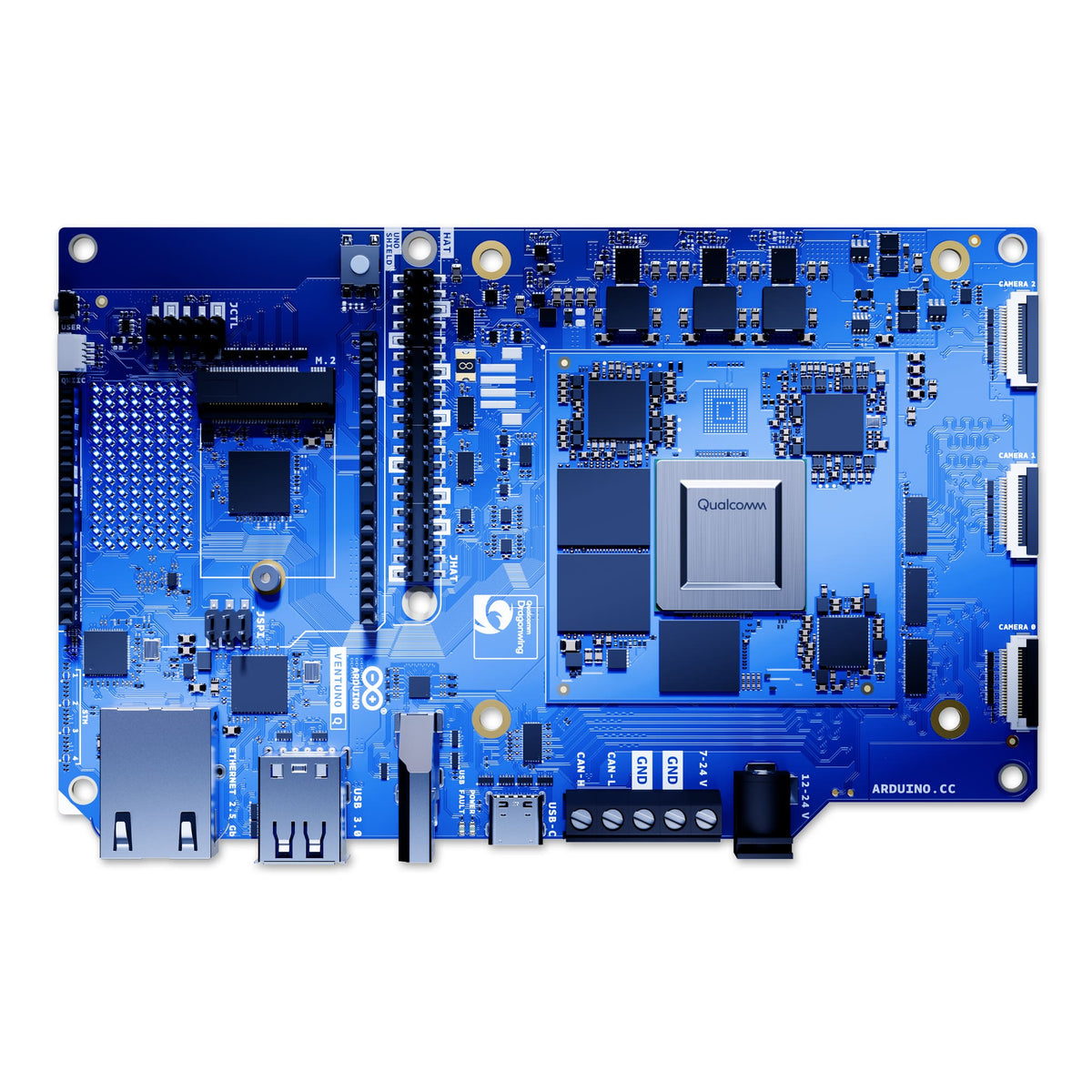
| Microprocessor (MPU) | Qualcomm Dragonwing™ IQ8 (QCS8275): Octa-core Qualcomm®Kryo™Gen 6 CPU Qualcomm® Adreno™ 623 GPU Qualcomm® Hexagon™ Tensor AI Processor (NPU): up to 40 Dense TOPS Qualcomm Spectra™ 690 ISP |
| Microcontroller (MCU) | STM32H5F5: Arm® Cortex® M33 at 250MHz 4MB flash 1.5MB RAM |
| RAM | 2x8GB LPDDR5 |
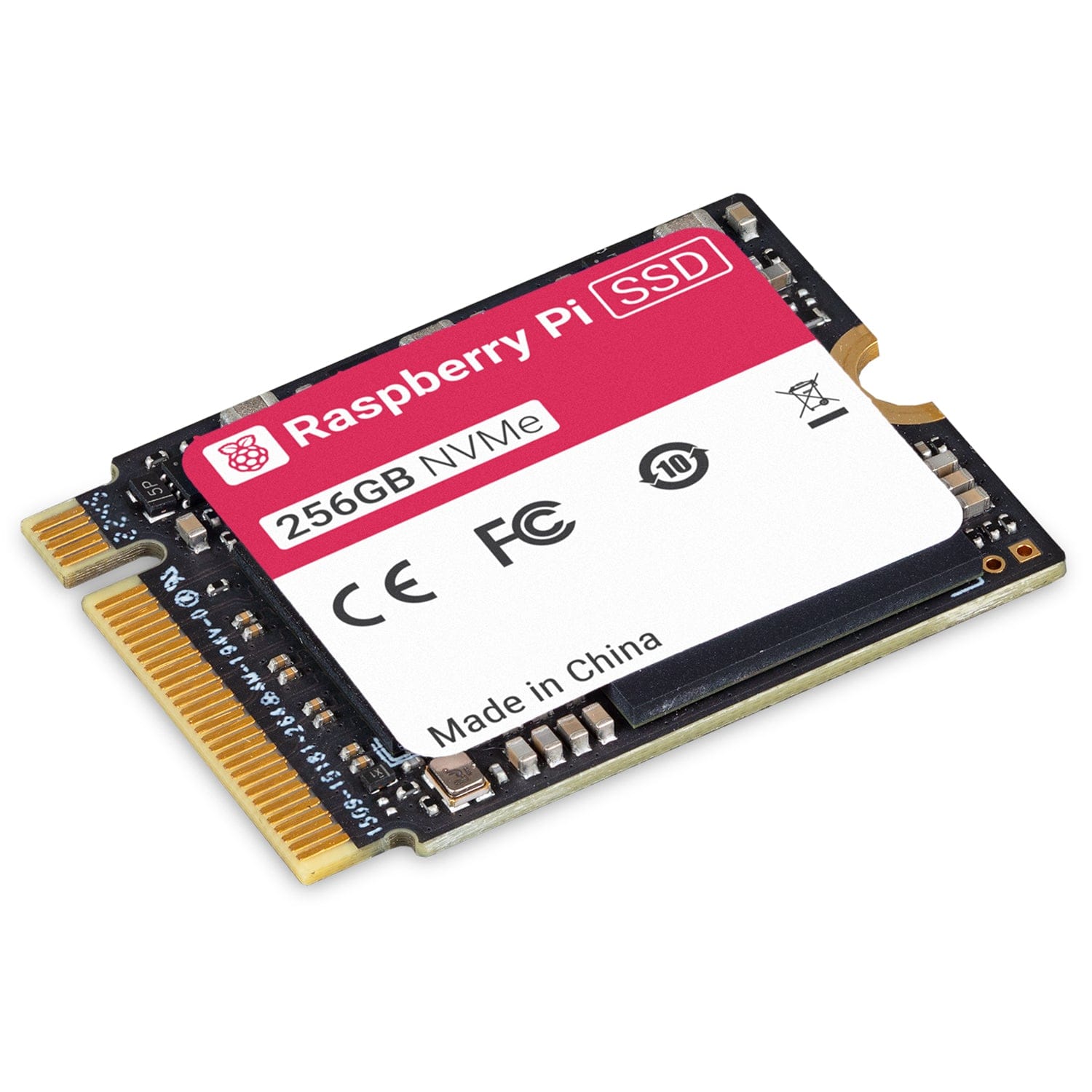
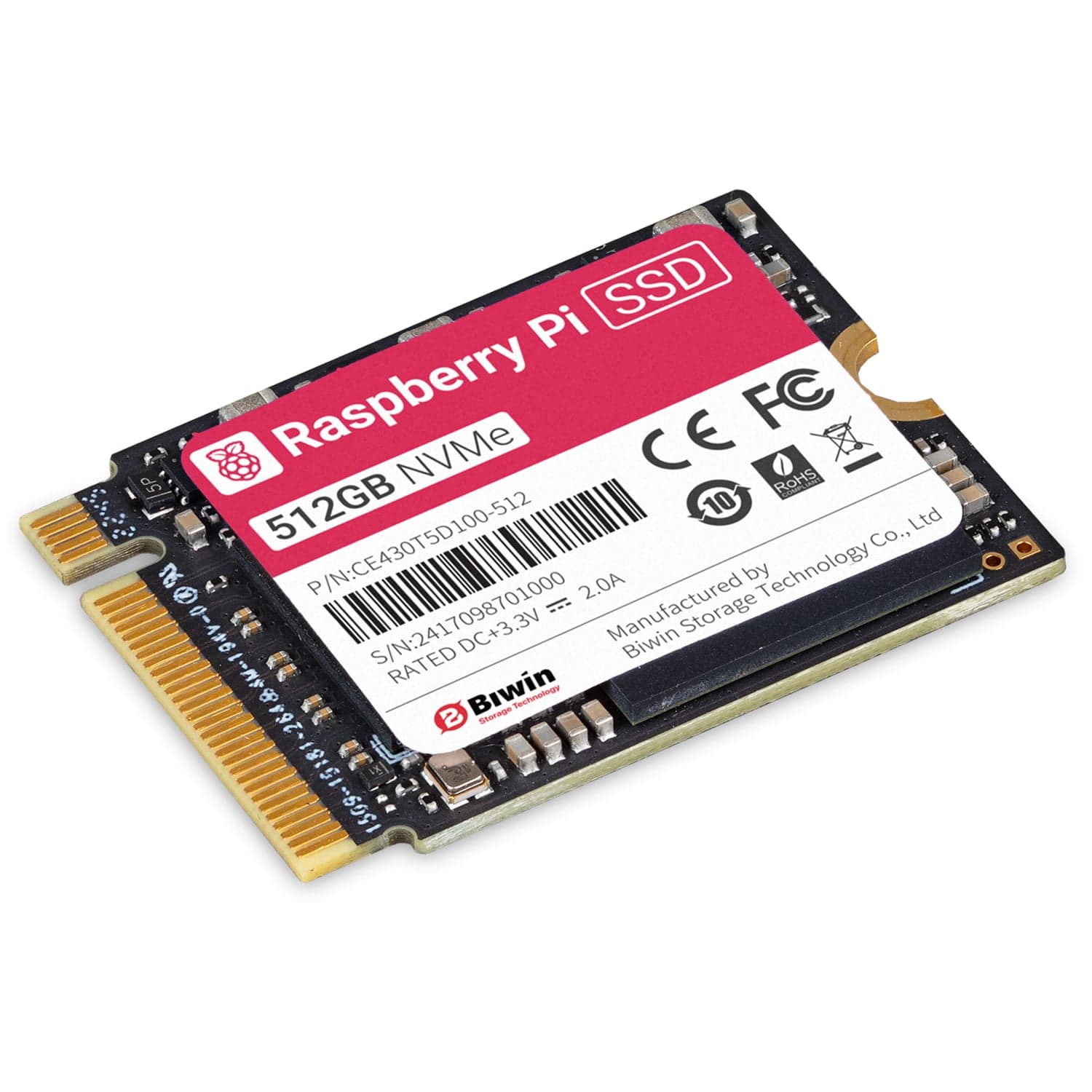
| Storage | 64GB eMMC M.2 connector for NVME Gen.4 external storage |
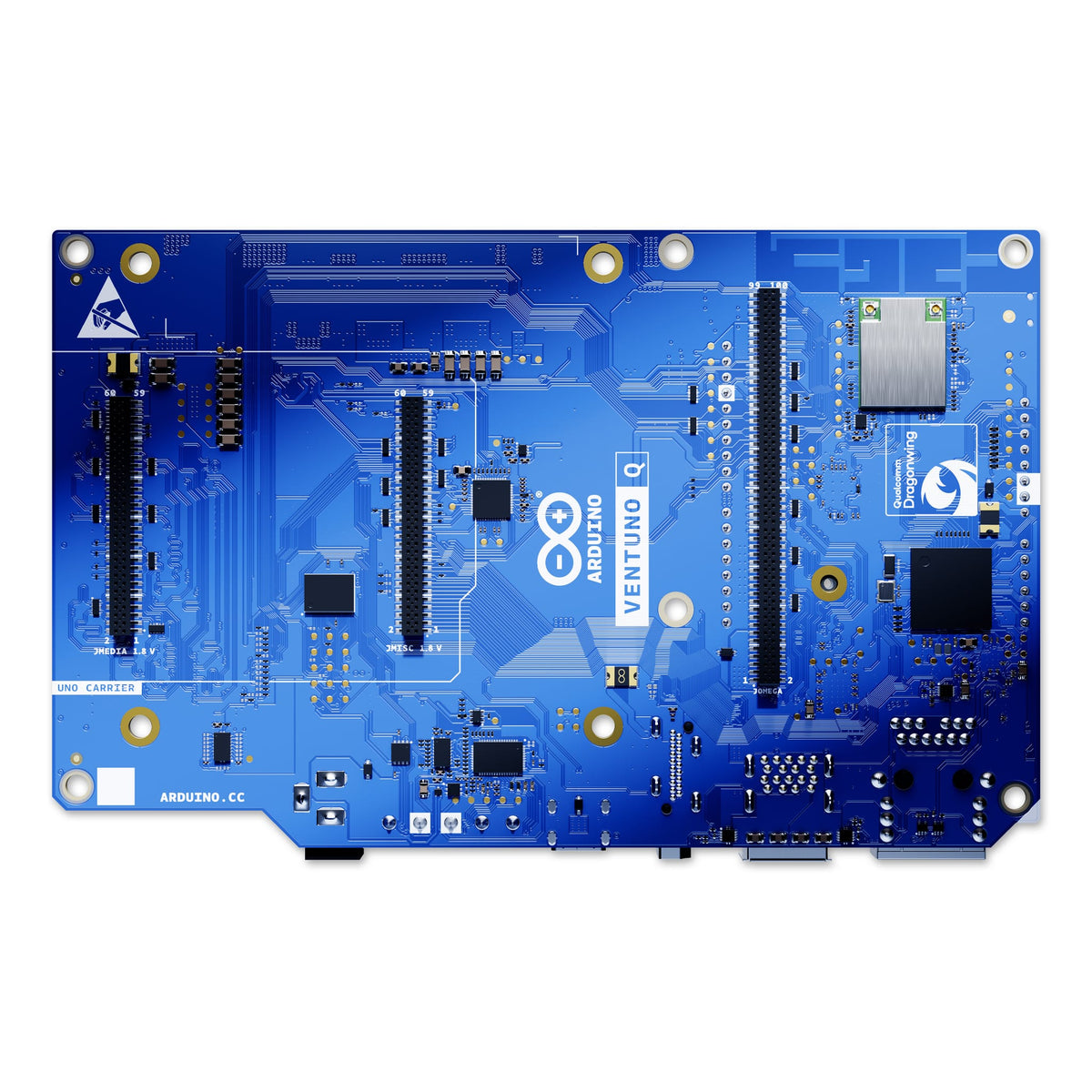
| Connectivity | Wi-Fi® 6 2.4/5/6 GHz with onboard antenna Bluetooth® 5.3 with onboard antenna 1x 2.5Gbit RJ45 Ethernet |
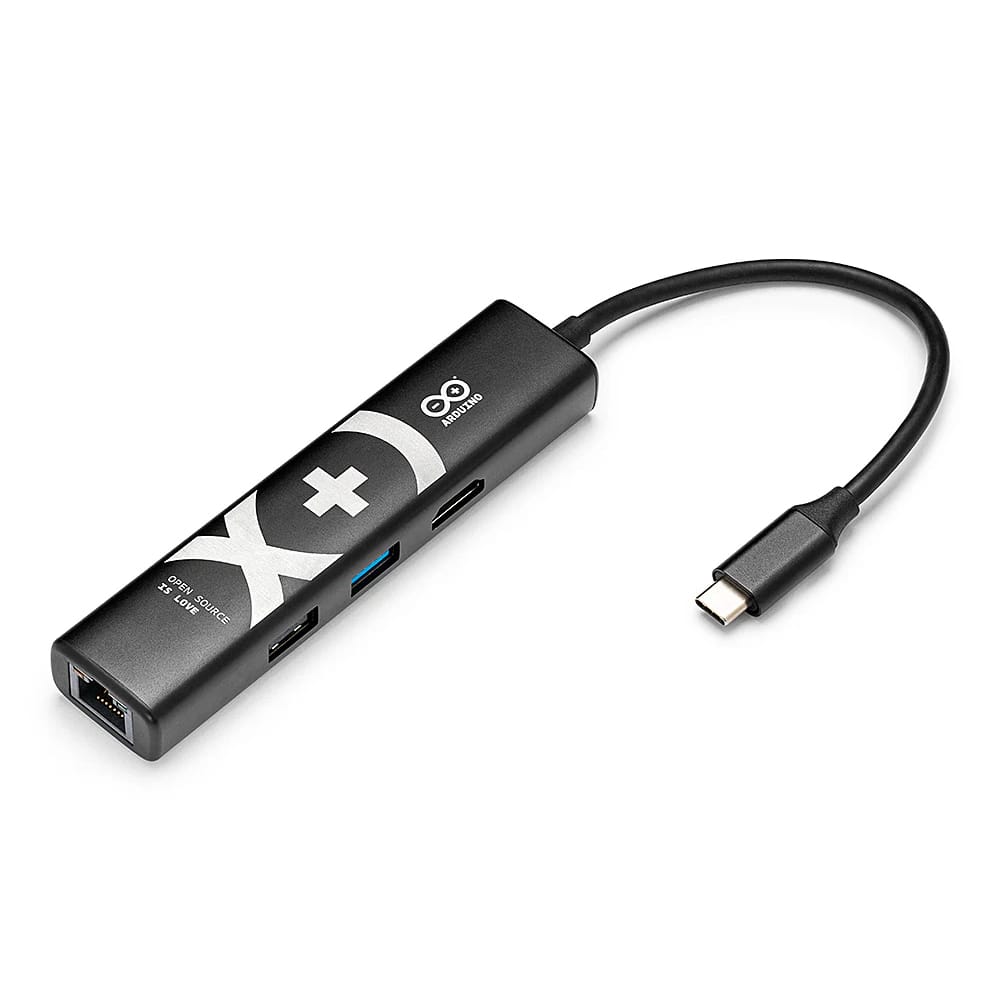
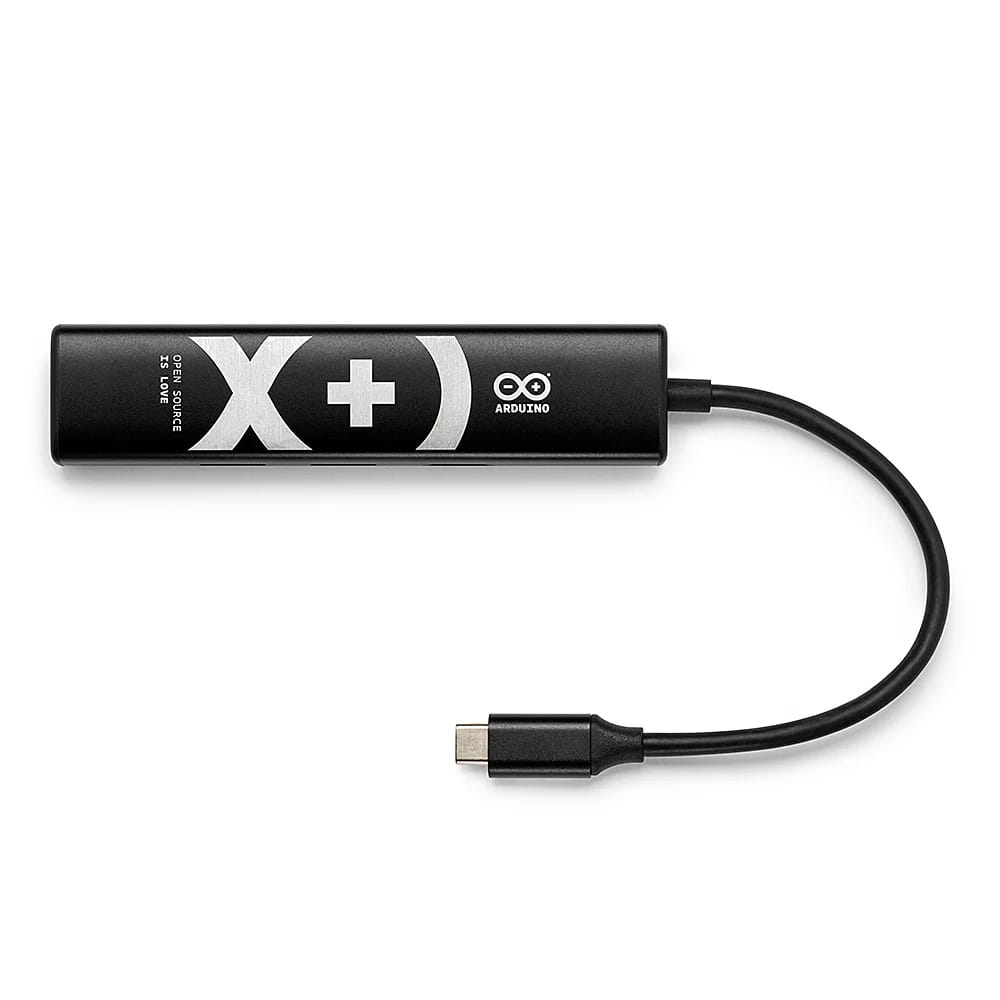
| USB | 1× USB-C port with host/device role switching, power role switch and video output 2x USB 3.0 Type A 2x USB 3.0 on JOMEGA header |
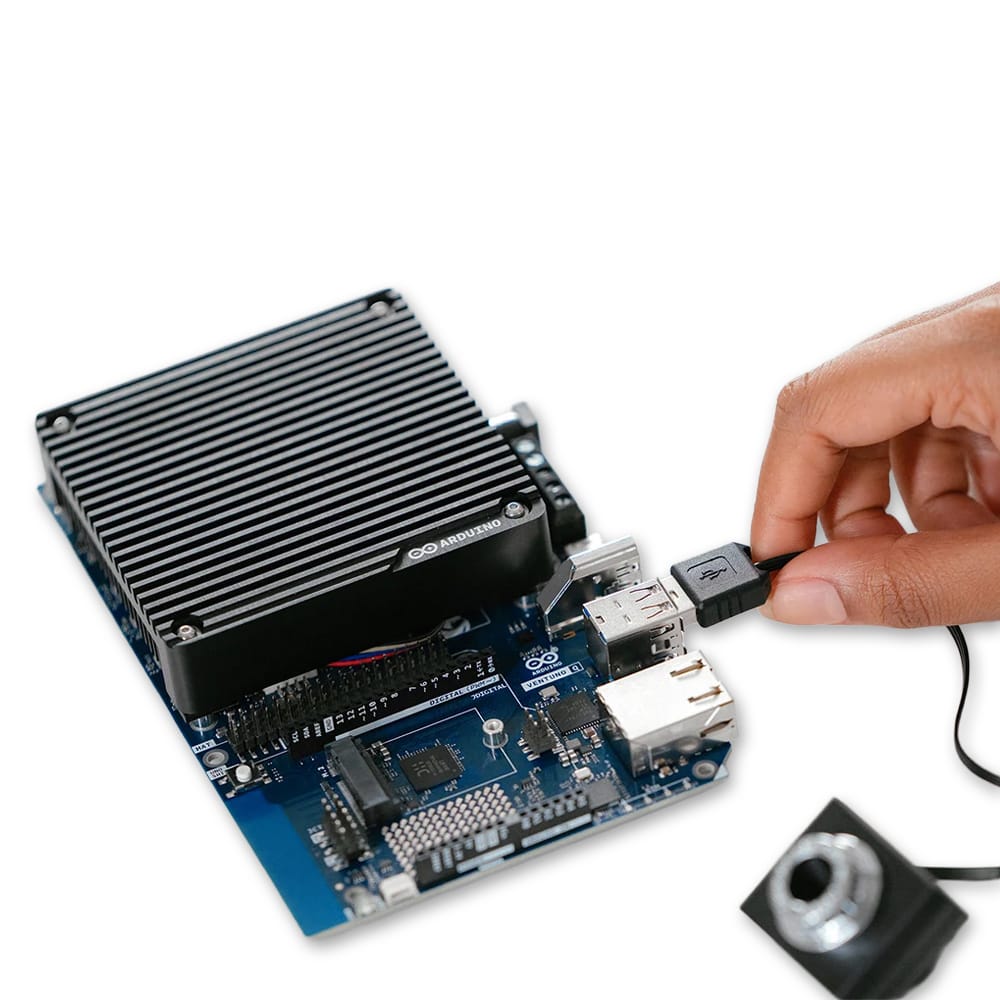
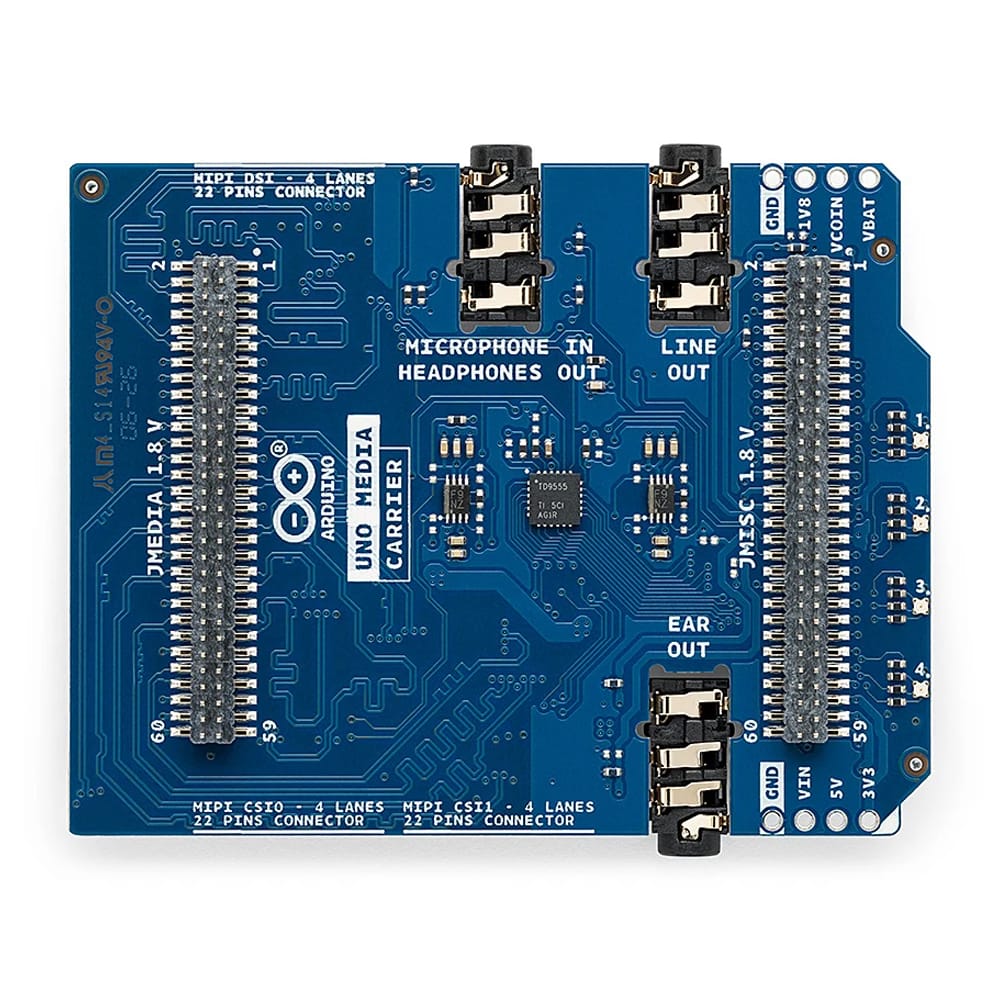
| Camera | USB camera support 3x MIPI CSI connectors muxed with 2x MIPI CSI on JMEDIA header |
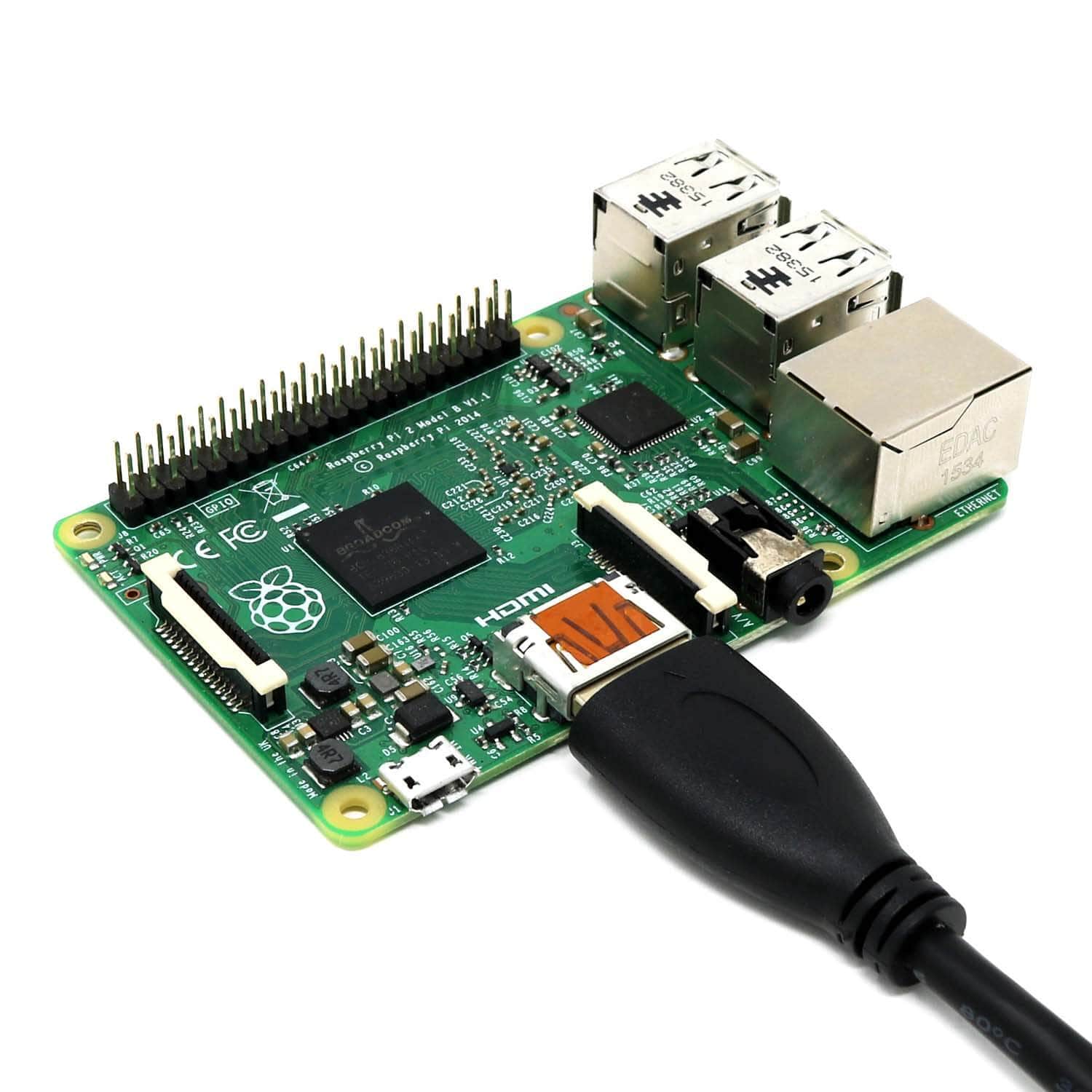
| Video | 1x HDMI muxed with MIPI DSI on JMEDIA header Video output (DP Alt mode) support via USB-C MIPI DSI pins on JMEDIA header |
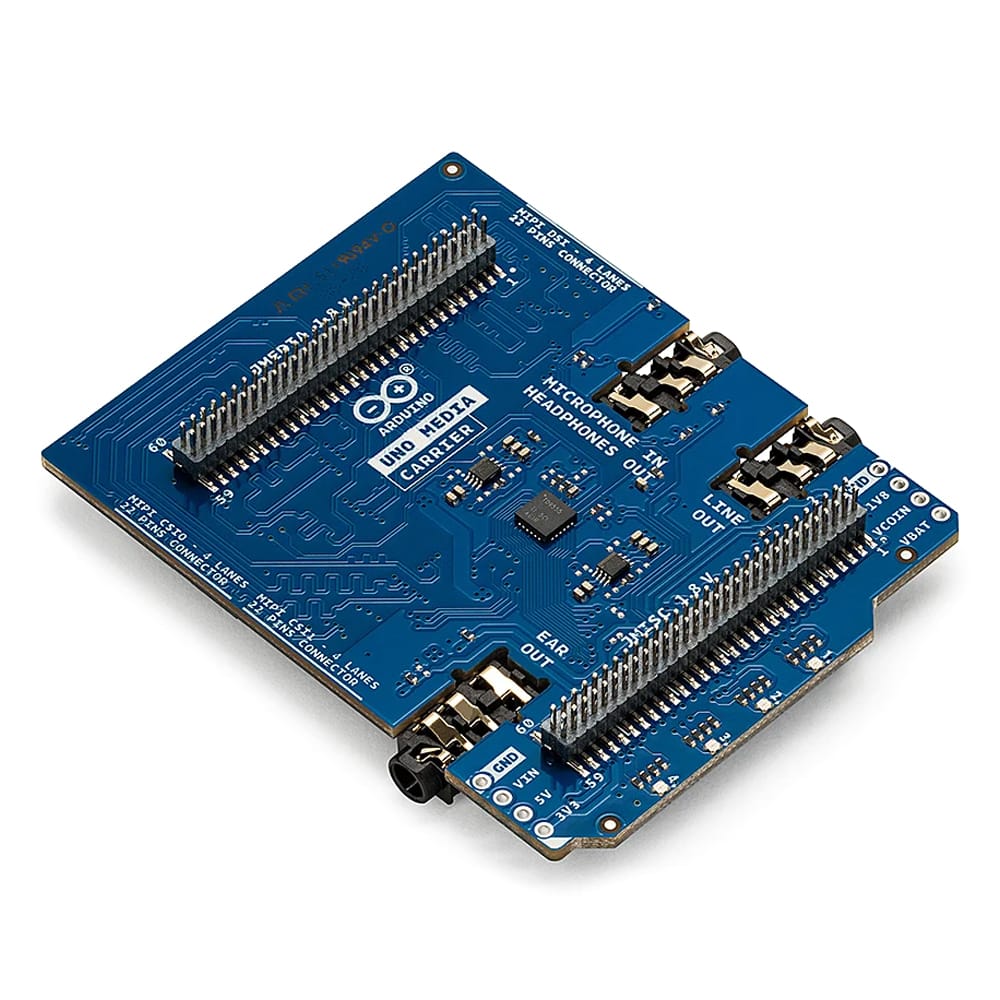
| Audio | 2x Microphone IN / Headphone OUT / Ear OUT / Line OUT on JMISC header |
| CAN | 1x CAN-FD PHY on screw terminal 3x CAN-FD (no PHY) on JOMEGA header 1x CAN-FD (no PHY) on UNO Shield headers |
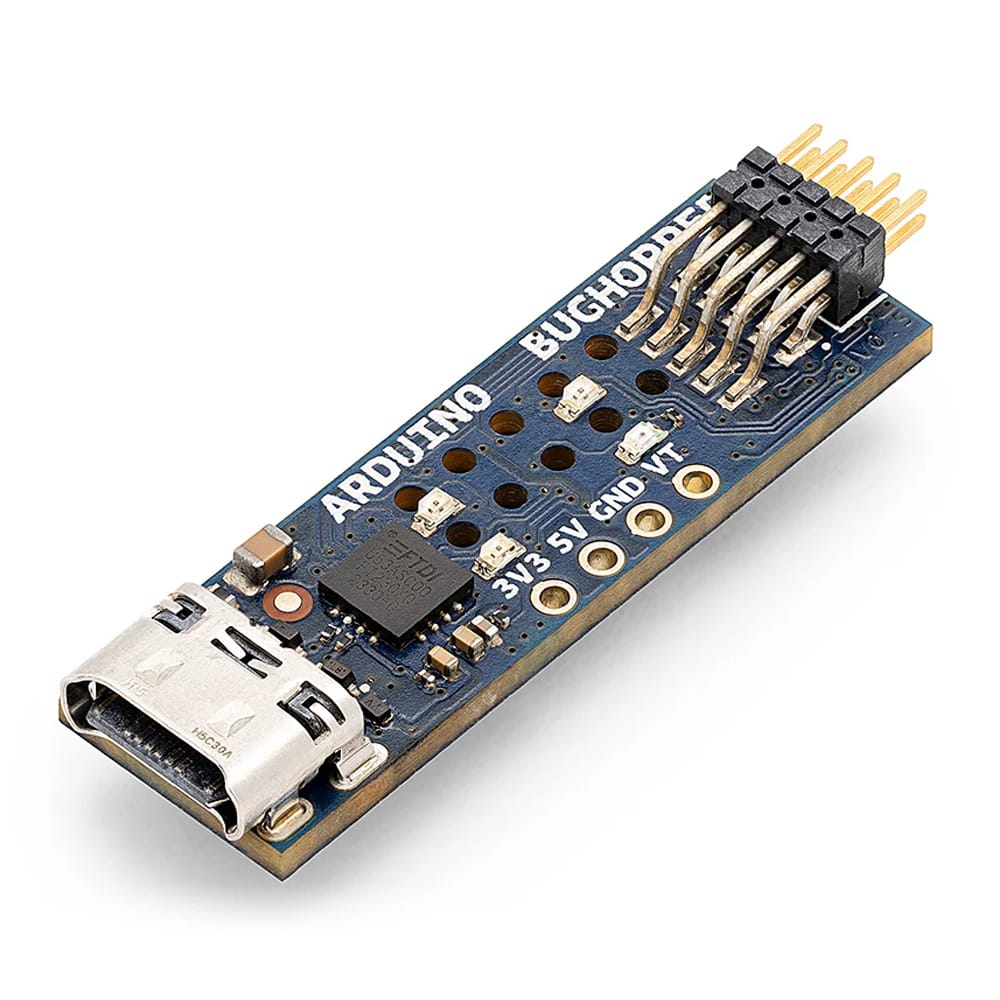
| Interfaces | I2C/I3C SPI PWM UART 4× RGB user-controllable LEDs 8x13 Blue LED Matrix 1x Qwiic connector voltage 3V3, I2C 1x User push-button 1x reset button JCTL: MPU Remote Debug connector JTAG port on JOMEGA |
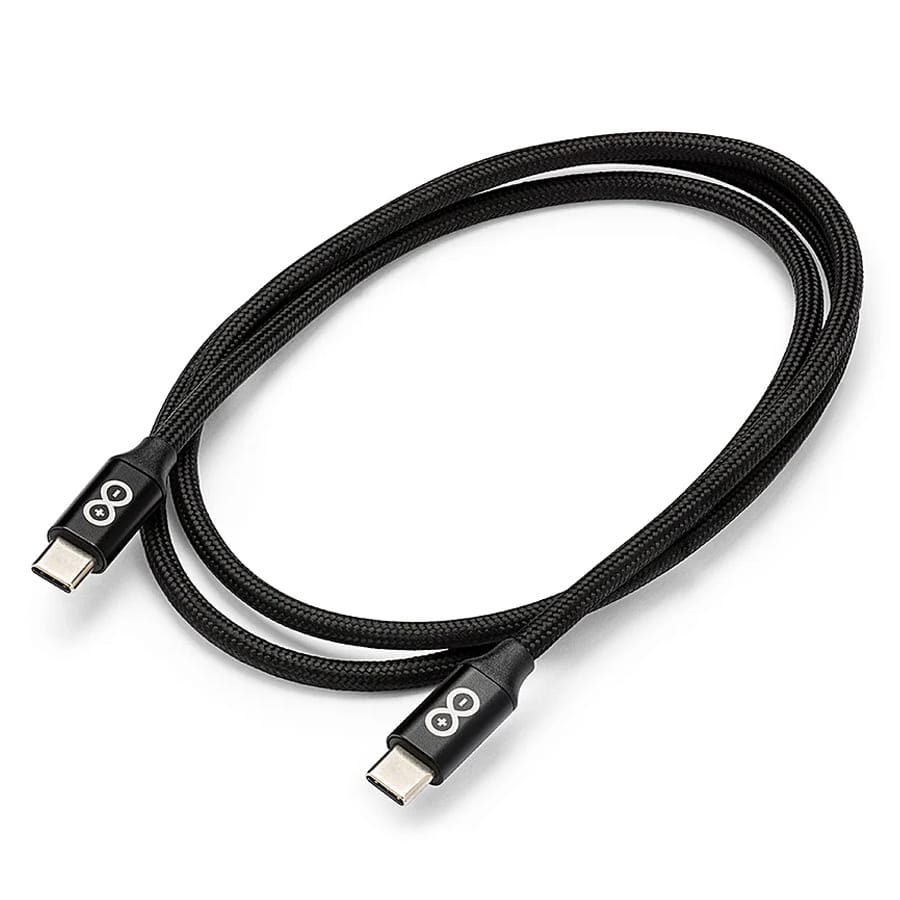
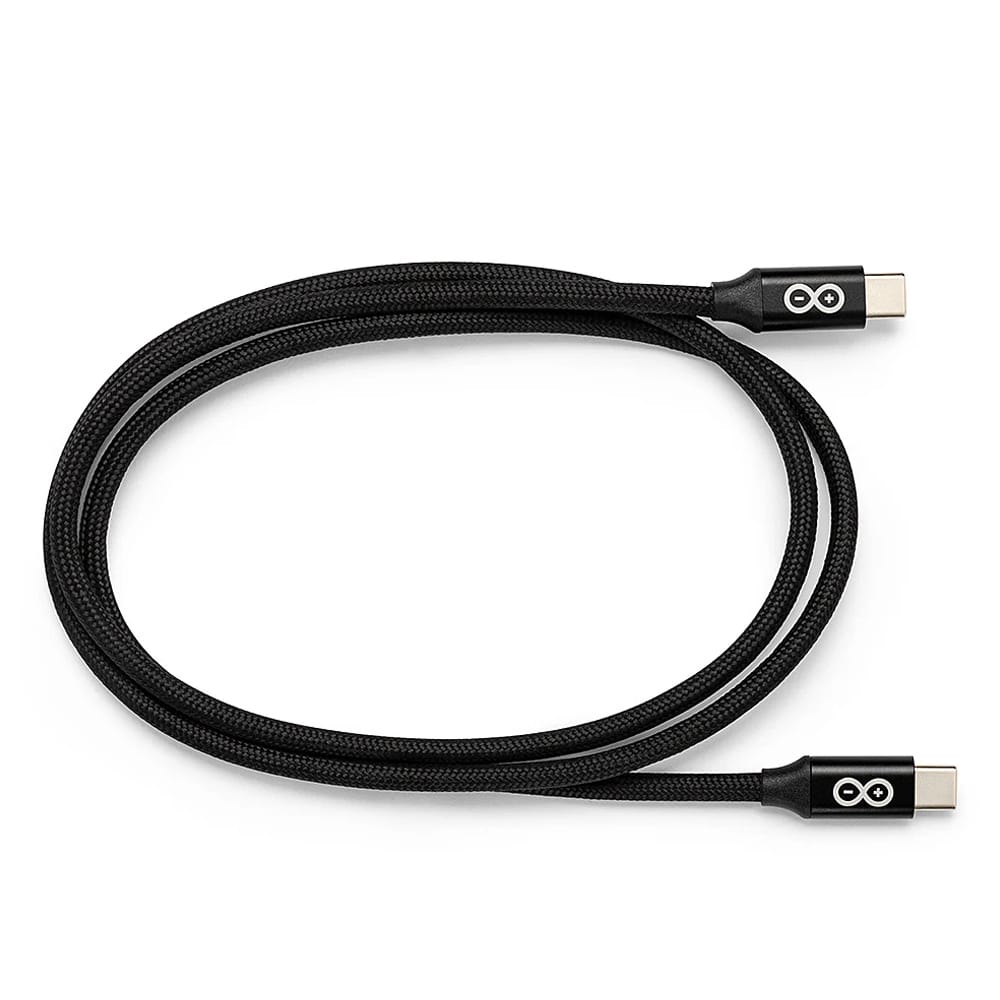
| Power Supply | From USB-C connector 5 VDC max 5.5x2.1 mm Power Jack 12-24 VDC Screw Terminal 7-24 VDC 7-24 V on JOMEGA Note: Use a PD-capable power supply of at least 50 W to start, or up to 65 W for full AI workloads and peripherals, through USB-C PD, barrel jack, or screw terminal within stated limits. |
| Temperature Range | Commercial Temperature Range: -10 °C to +60 °C (14 °F to 140 °F) |
| Dimensions | 160x100x25.8 mm |
Power supply not included.
Your payment information is processed securely. We do not store credit card details nor have access to your credit card information.