The DAN-F10N GNSS Flex pHAT brings meter-accurate satellite positioning to your Raspberry Pi, with dual-band receivers that work in urban canyons where simpler systems fail.
Equip your Raspberry Pi projects with meter-level, dual-band GNSS positioning using the SparkFunDAN-F10N GNSS Flex pHAT. This development platform combines our versatile GNSS Flex pHAT carrier board with the reliable DAN-F10N GNSS Flex Module, providing an affordable and easy-to-integrate solution for any single-board computer with a 40-pin header.
The GNSS Flex pHAT acts as the bridge between your Raspberry Pi and the modular SparkPNT ecosystem. It mounts securely via an extended 40-pin header and connects to the included GNSS module using standardized 2x10-pin headers, making it simple to swap modules for repairs or future upgrades.
Raspberry Pi Connectivity: Standard 40-pin GPIO header for a direct, secure connection.
USB-C Port: Provides an alternative data interface to the GNSS module.
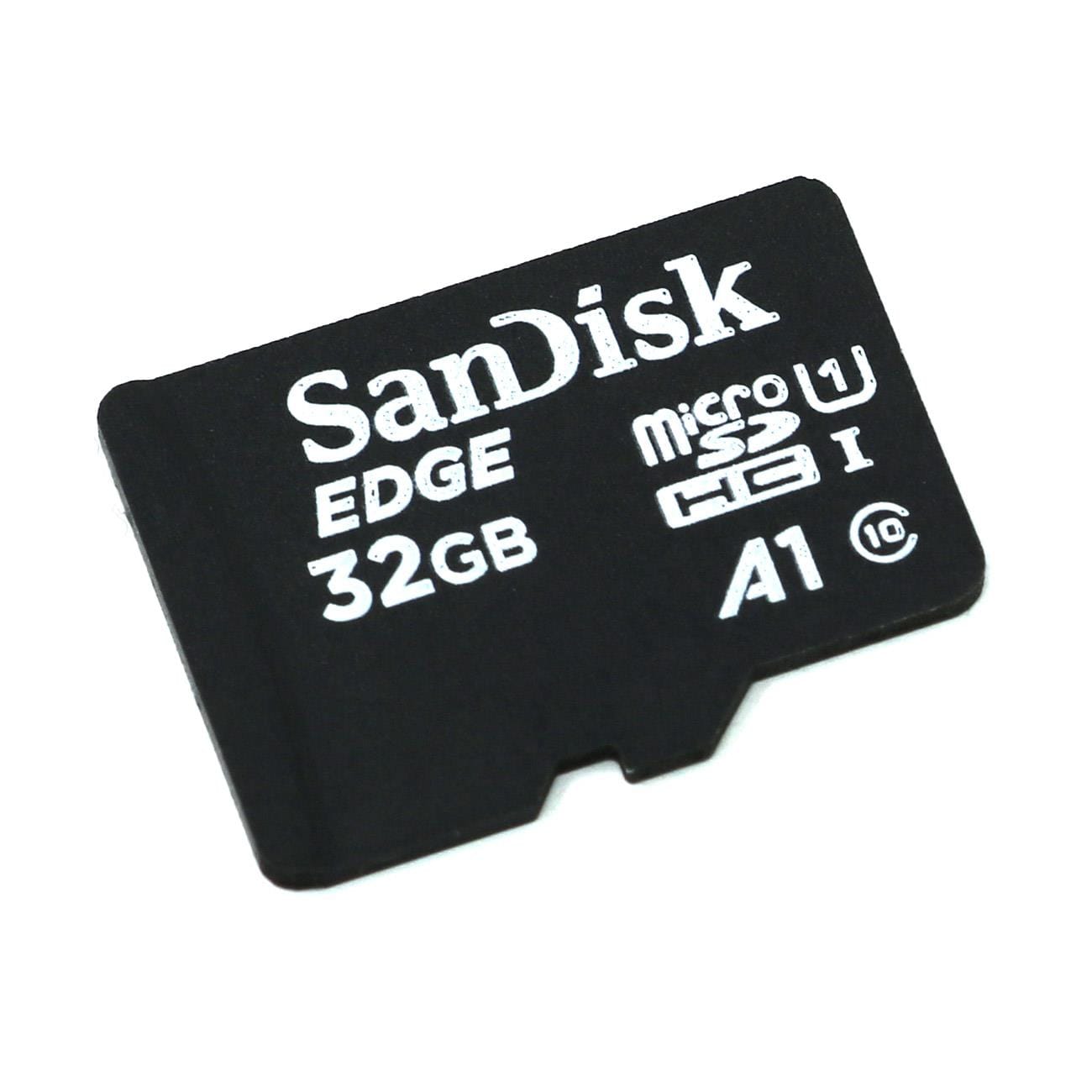
MicroSD Card Slot: Perfect for data logging position, velocity, and time data.
Mounting Hardware Included: Comes with the necessary standoffs, screws, and an extended header for a clean, stable setup.
Economical Urban Performance At the heart of this module is the affordable u-blox DAN-F10N, engineered to excel where other receivers struggle. By harnessing dual-band L1/L5 GNSS technology and a sophisticated multipath mitigation engine, it delivers meter-level accuracy in challenging environments like dense urban canyons.
Additionally, its robust RF architecture features a SAW-LNA-SAW filter chain and an additional notch filter for the LTE B13 band. This design provides exceptional out-of-band interference rejection, ensuring clean signal reception even when operating near cellular modems.
Flexible Antenna Options The DAN-F10N includes a high-performance, integrated 20mm x 20mm x 8mm dual-band patch antenna. This Right-Hand Circularly Polarized (RHCP) antenna offers a wide beamwidth, giving you flexibility in device orientation without sacrificing performance. Need even more range? An onboard switch allows you to easily connect an external dual-band antenna to maximize signal reception for your specific application.
Powerful Software & Connectivity Get up and running quickly with comprehensive software support. The DAN-F10N is fully compatible with the u-blox u-center 2 GNSS software, a tried and tested tool for real-time performance analysis, configuration, and data logging.
Fast Acquisition: Utilize AssistNow Online, Offline, and Autonomous A-GNSS services for significantly reduced time-to-first-fix.
Standard Protocols: Interface directly with the module using the industry-standard NMEA 4.11 or the powerful UBX binary protocol for advanced control.
Users have the option to connect an external GNSS antenna to their GNSS receiver.
The GNSS Flex module has a U.FL connector for an external antenna.
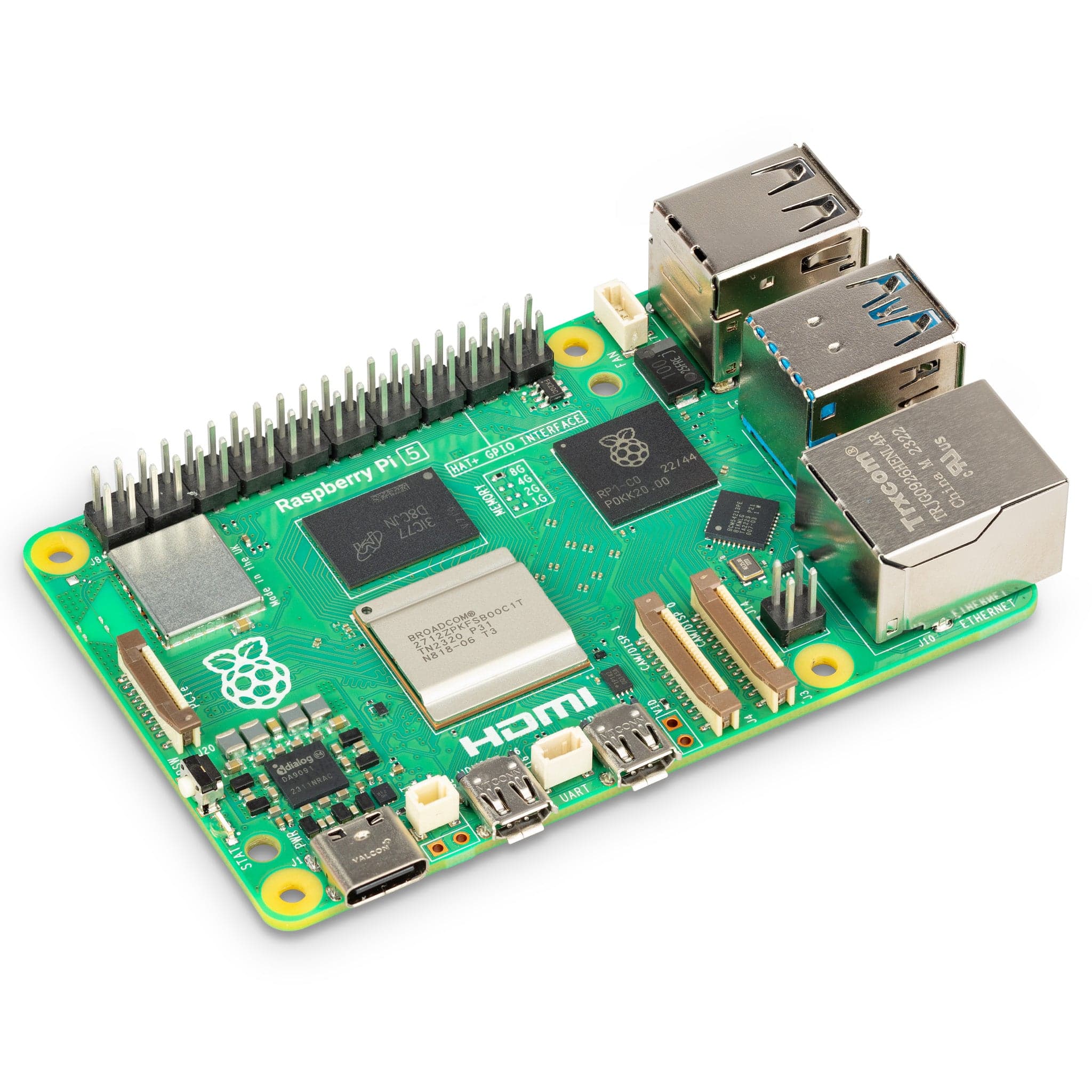
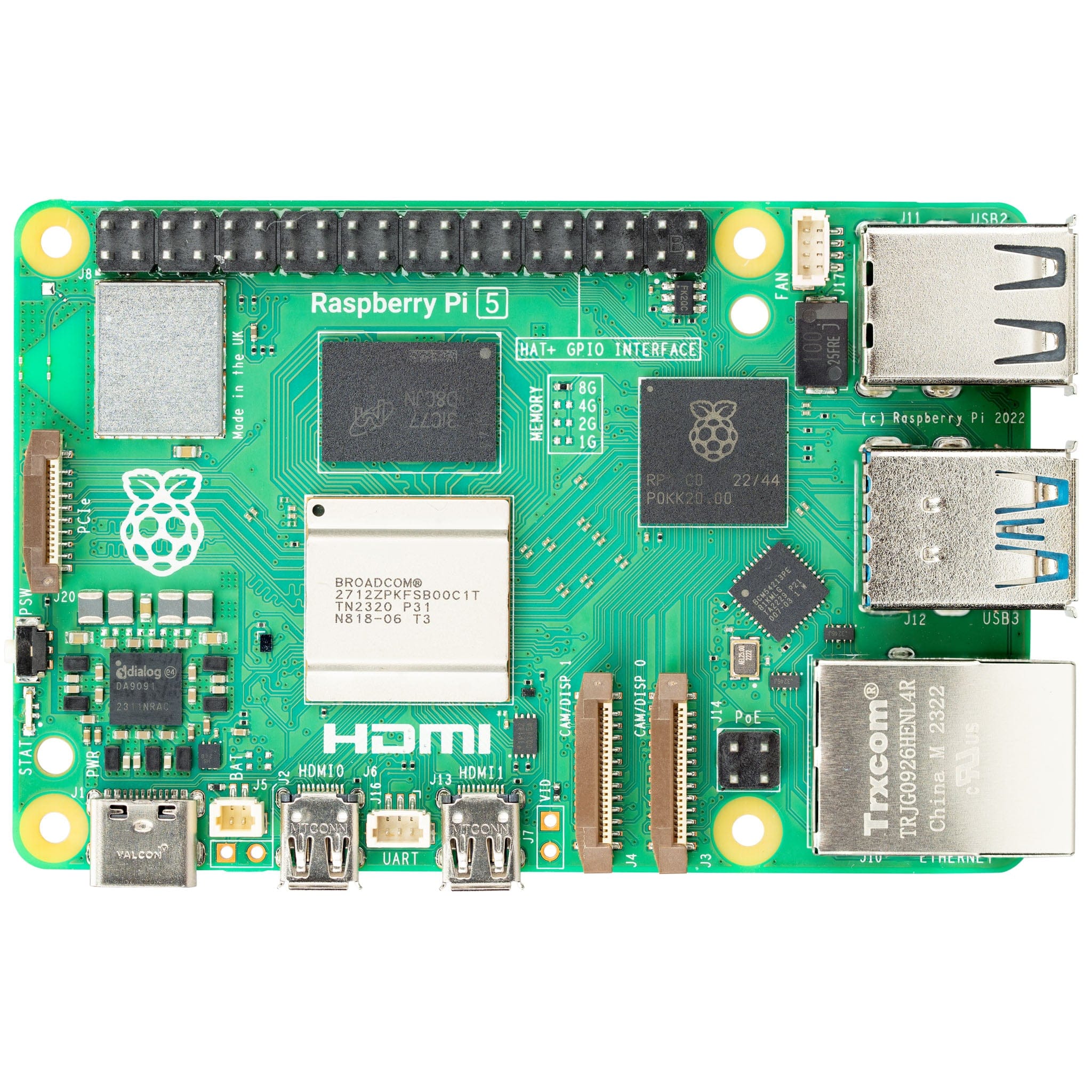
This product requires a Raspberry Pi (or similar single-board computer). By default, we use the Raspberry Pi's primary serial bus (i.e. TX: GPIO14/Pin 8; RX: GPIO15/Pin 9) to communicate with the GNSS receiver on our SparkPNT GNSS Flex modules.
Features and Specifications
GNSS Flex pHAT:
40-pin socket for Raspberry Pi header
40-pin header for GNSS Flex modules
Two 2x20-pin, 2mm-pitch male headers
Power
3.3V
Backup power
USB bus detect (not a power source)
USB data
UART (x4)
SD card
I2C bus
PPS signal (x2)
LED indicators (x2)
Event indicators (x2)
USB-C connector
Interfaces directly w/ GNSS Flex Module
Antenna bridge
U.FL connector
SMA connector
µSD card socket
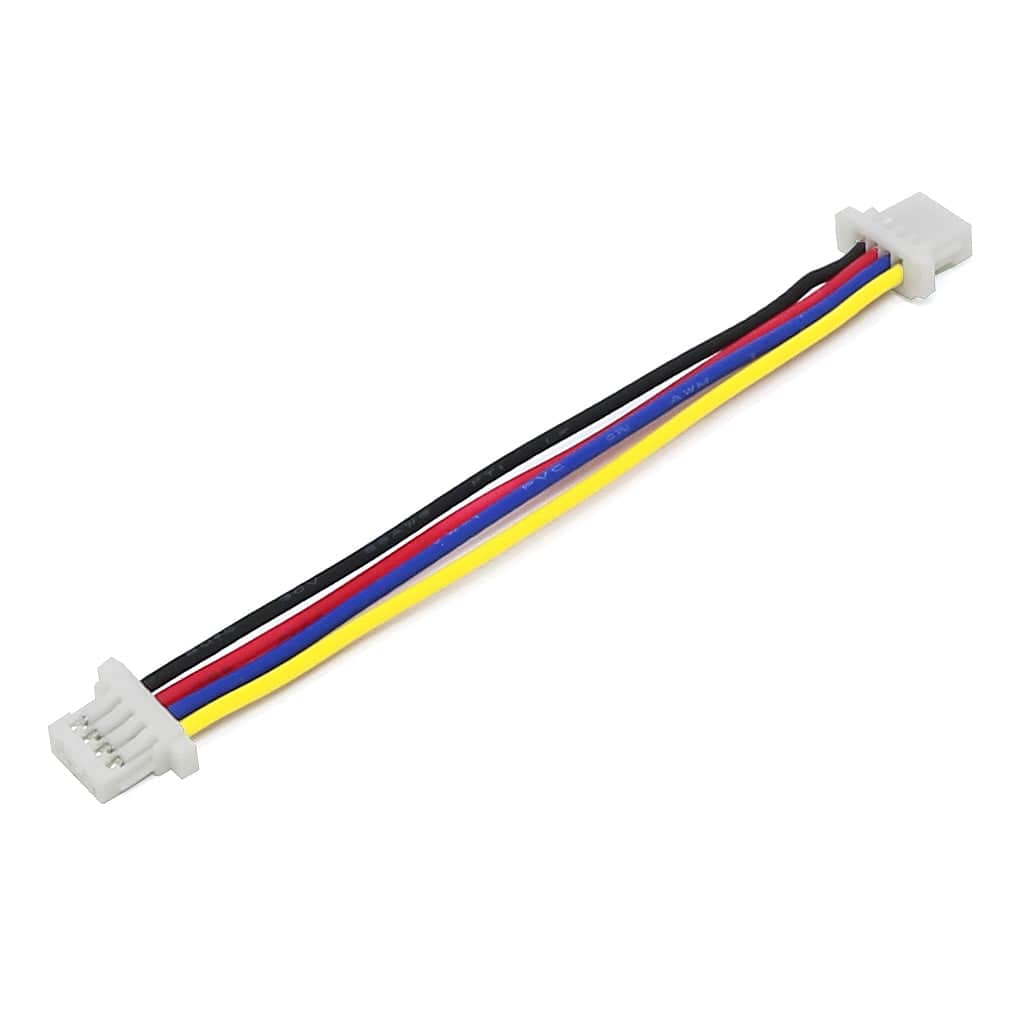
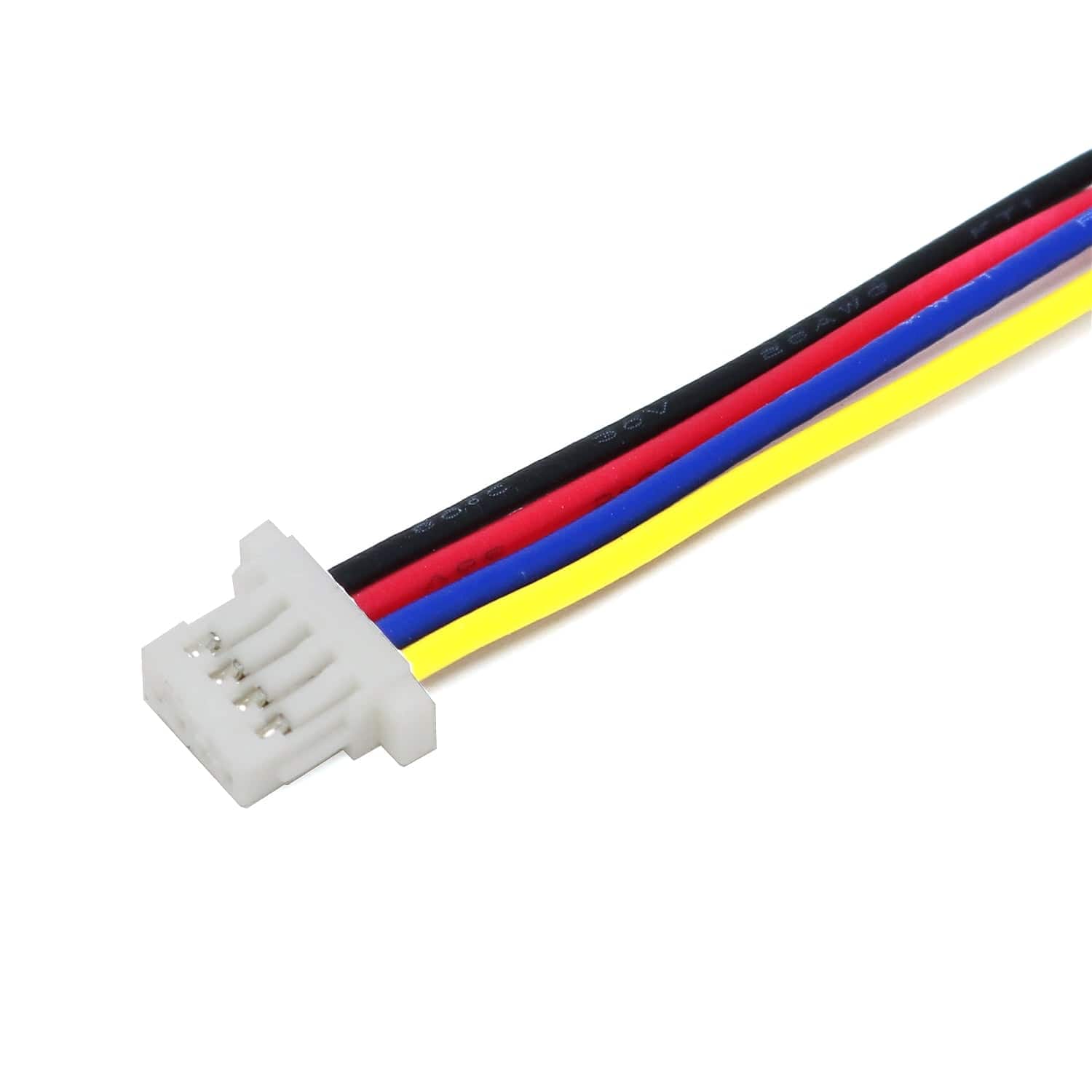
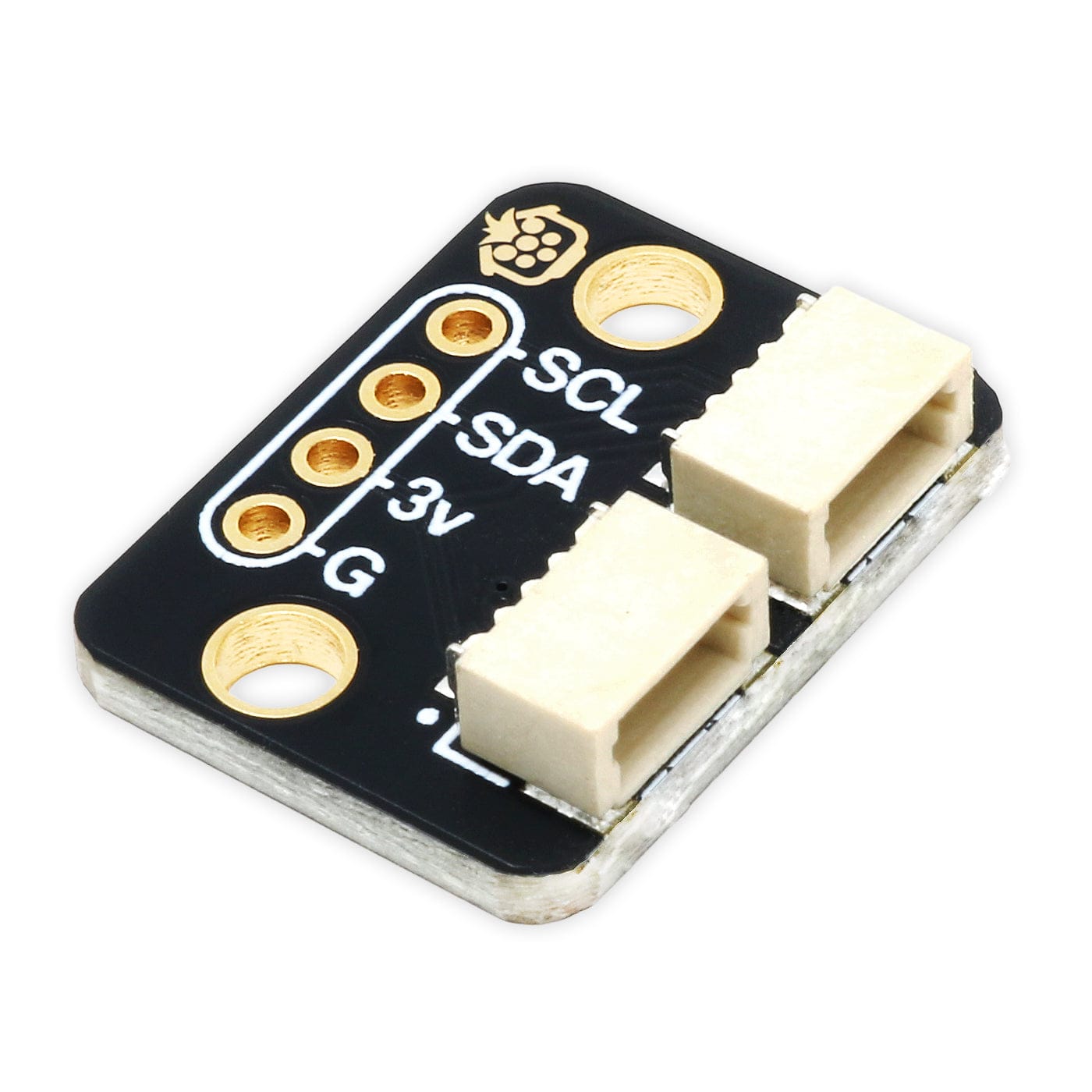
Qwiic connector
Indicator LEDs
PWR (Red)
PPS (Yellow)
RTK (White)
PVT (Blue)
Twenty-four jumpers
Raspberry Pi GPIO isolation (x16)
LED power isolation (x4)
I2C pull-up resistors (x4)
DAN-F10N GNSS Flex Module:
u-blox DAN-F10N GNSS module
GNSS Constellations:
GPS (USA)
Galileo (EU)
BDS (China)
QZSS (Japan)
NavIC (India)
SBAS Systems:
WAAS (USA)
EGNOS (EU)
BDSBAS (China)
MSAS (Japan)
GAGAN (India)
KASS (Korea)
SouthPAN (Australian + New Zealand)
Two 2x20-pin, 2mm-pitch female headers
40-pin socket for GNSS Flex system
Power
3.3V
Backup power
USB bus detect (not a power source)
UARTPPS signal (x1)
Event indicators (x1)
U.FL Connector:
GNSS Antenna (optional, L1/L5 dual-band)
Dimensions: 34.0 x 44.0mm
Weight: 23.85g
Flex Module Interfaces:
I2C: N/C
Flex COM1: DAN-F10N UART (TX and RX only)
Flex COM2: N/C
Flex COM3: N/C
Flex COM4: N/C
PPS1: DAN-F10N TIMEPULSE
PPS2: N/C
EVENTA: DAN-F10N EXTINT
EVENTB: N/C
RTK LED: N/C
PVT LED: N/C
DAN-F10N General Features
GNSS receiver
u-blox F10 engine
GPS: L1 C/A, L5
QZSS: L1C/A, L5
Galileo: E1B/C, E5a
BeiDou: B1C, B2a
NavIC: L5
SBAS: L1 C/A, L1S, L1Sb, B1C
Sensitivity
Tracking & Navigation: -164dBm
Reacquisition: -156dBm
Cold start: -145dBm
Hot start: -156dBm
Update rate: Up to 10Hz
Horizontal position accuracy
1.0m CEP (with SBAS)
1.5m CEP (without SBAS)
Acquisition
Cold start: 28s
Aided start: 2s
Reacquisition: 2s
Interfaces
1x UART
Digital I/O
Configurable timepulse (0.25Hz to 10MHz)
EXTINT input for wakeup
JTAG debug interface (disabled by default)
Communication protocol
NMEA: 2.1, 2.3, 4.0, 4.10, 4.11 (default)
UBX binary
RTCM v3.4
SPARTN v2.0.2
Security
RF interference and jamming detection/reporting
Spoofing detection/reporting
Secure boot for firmware integrity
Signed UBX messages (SHA-256
Misc
Antenna switch function
Supports external active antenna (optional)
Integrated RTC crystal and TCXO
Power
Power supply: 2.7V to 3.6V
Backup supply: 1.65V to 3.6V
Power consumption: 63 mW (continuous tracking, 3V)