
NeoPixel RGBW LEDs w/ Integrated Driver Chip - Cool White (~6000K - Black Casing - 10 Pack)
Price:
Sale price
£5.80
Stock:
Login / Signup
Cart
Your cart is empty


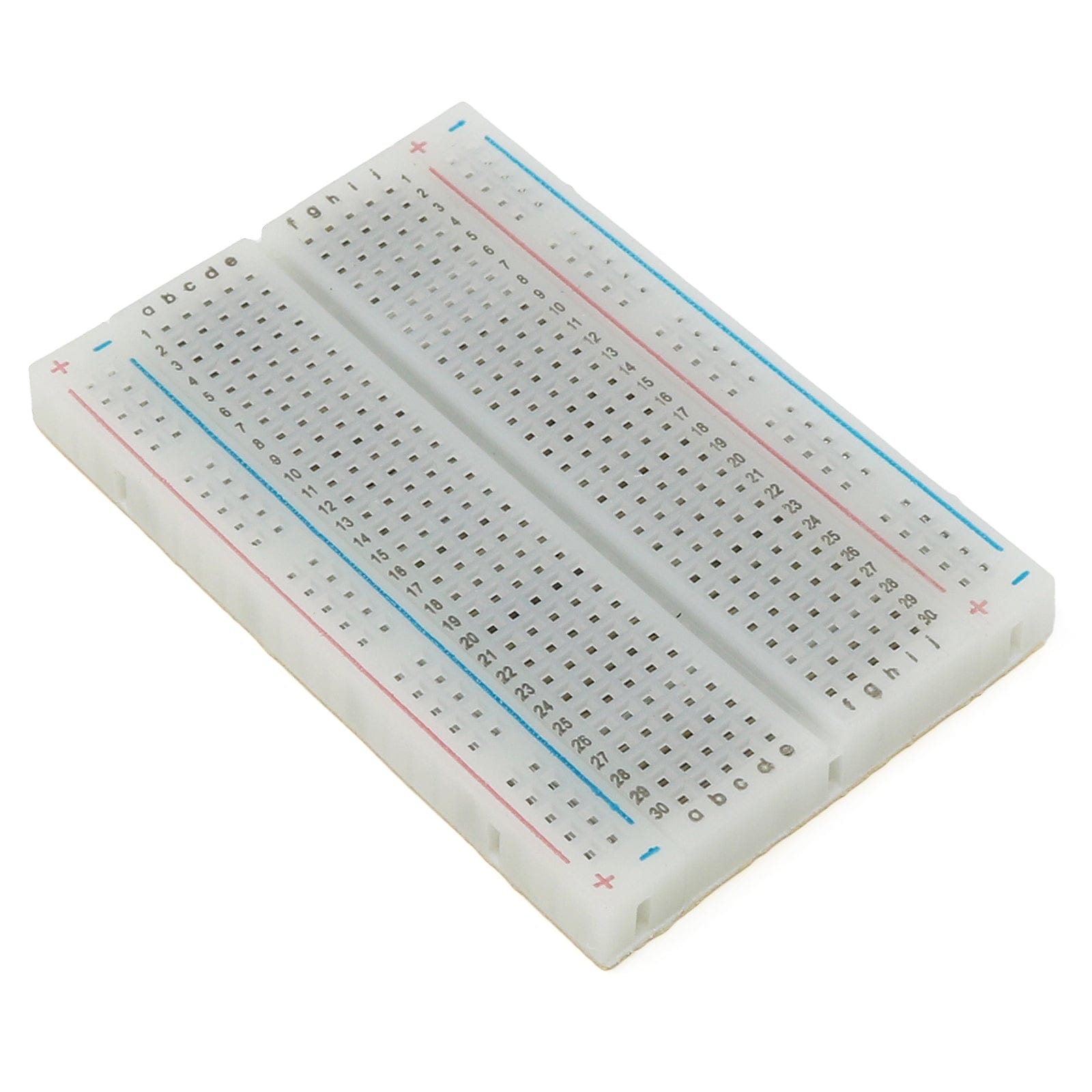
NeoPixel RGBW LEDs (Cool White, Black Casing) add a dedicated white channel to classic NeoPixels for brighter, more flexible lighting. This pack includes 10 compact 5050 LEDs with full 32-bit colour control—an RGBW-capable NeoPixel library is required.
What’s better than smart RGB LEDs? Smart RGB + White LEDs. These NeoPixels combine red, green, blue, and white LEDs in a single package, giving you more flexibility and better-looking lighting effects than RGB alone. They use the same integrated LED driver found in NeoPixel strips, so they behave exactly like standard NeoPixels—just with an added white channel.
This version is RGB + Cool White with a black casing, supplied as a pack of 10 individual LEDs that you can solder into your own designs. Inside each NeoPixel, the LED is “split”: one half handles the familiar RGB output, while the other is a white LED with a yellow phosphor. When unlit, it resembles a yellow starburst; once powered, it’s extremely bright. Each channel is controlled with 8-bit PWM, providing 32-bit colour control overall (8 bits × 4 channels), ideal for mixing vivid colours with crisp cool white light.
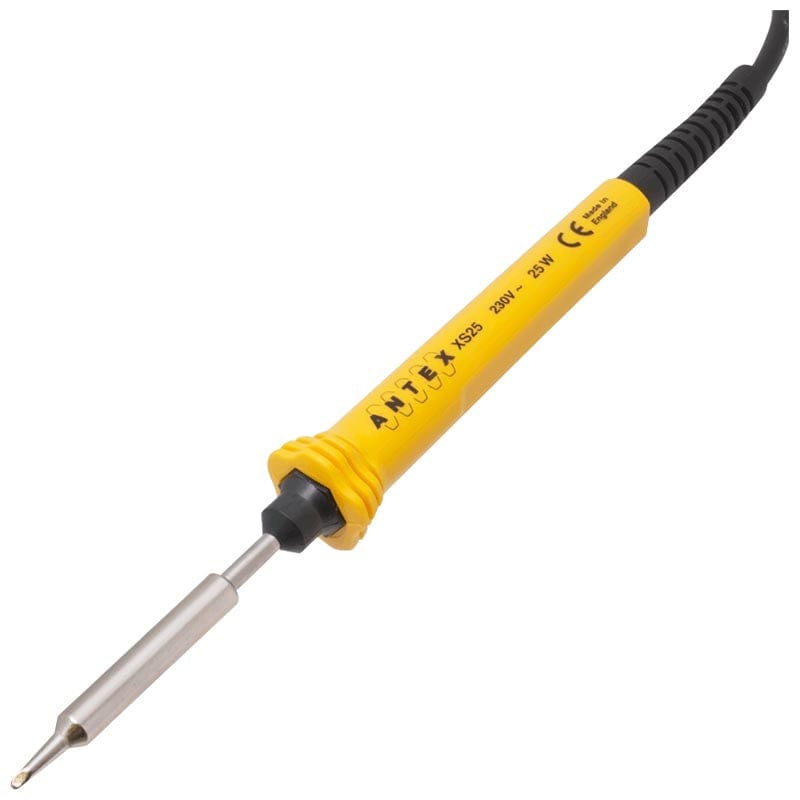
These compact 5050 (5mm × 5mm) SMD LEDs are fairly easy to solder and are one of the most space-efficient ways to integrate multiple high-brightness LEDs into a project. For easier prototyping, we recommend using 5050-size LED breakout PCBs, which make them breadboard-friendly.
NeoPixels use an 800 kHz data protocol, which requires precise timing. Their PWM rate is 400 Hz, which works well but can be noticeable if the LED is moving. By comparison, DotStars use a 20 kHz PWM rate, resulting in smoother colour blending with no visible pixelation when in motion (DotStars are recommended if your project supports them).
Each NeoPixel contains an embedded microcontroller and behaves like a shift register: it reads incoming data, uses the first portion for itself, and passes the rest along the chain. This allows you to control an unlimited number of LEDs with a single data stream. Once brightness values are set, the onboard PWM continues driving the LEDs without constant updates.
A full NeoPixel tutorial is available covering wiring, power usage calculations, and example code. Important: you’ll need a NeoPixel library with RGBW support. Using an RGB-only library will produce incorrect results. The Adafruit NeoPixel library supports RGBW, but other libraries may require modification.
Your payment information is processed securely. We do not store credit card details nor have access to your credit card information.