Bus Pirate is theuniversal serial interface tool designed by hackers and trusted by hackers since 2008, and now it's back with its latest iteration - the Bus Pirate 6 with RP2350B!
What's the difference between Bus Pirate 5 and Bus Pirate 6?
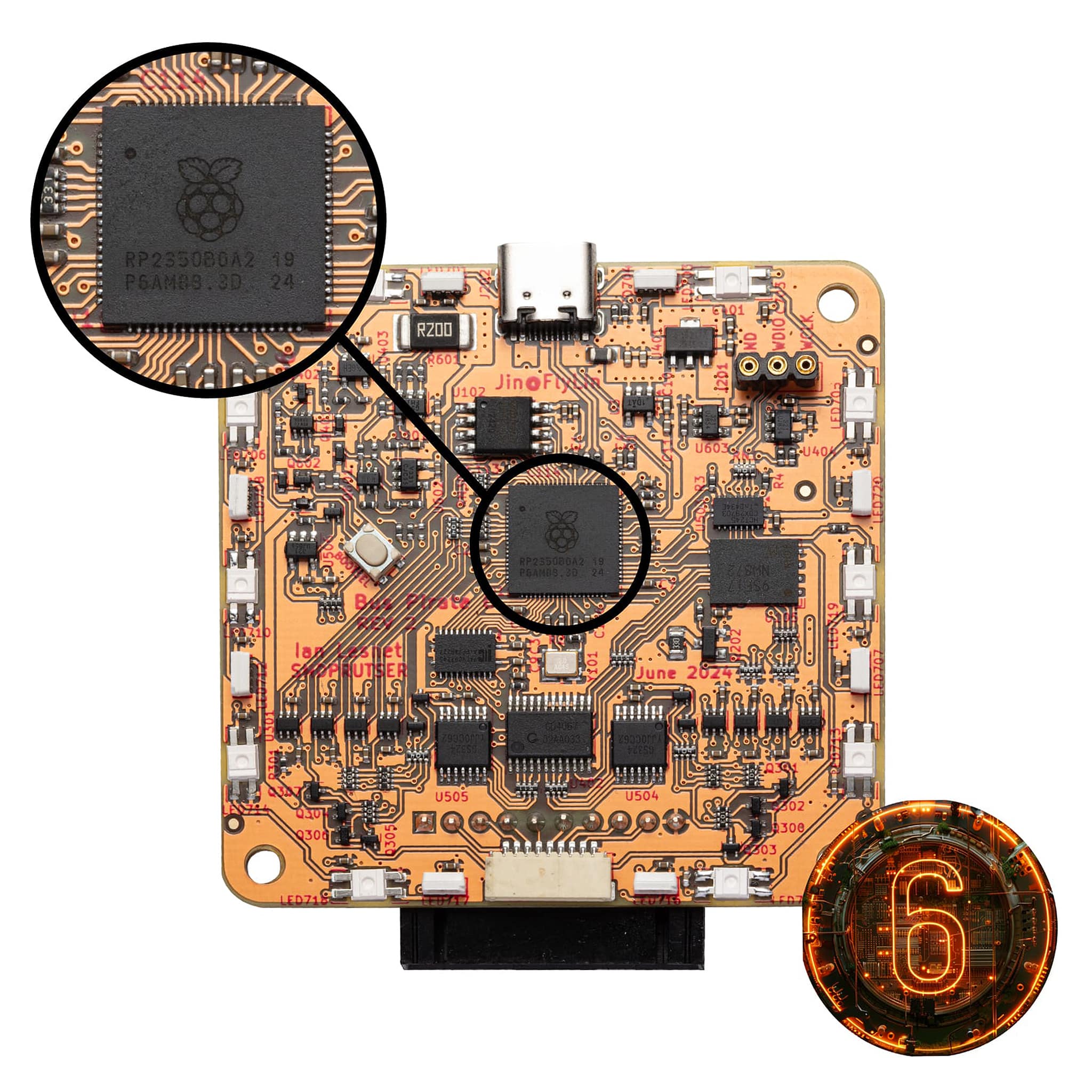
As you can see, Bus Pirate 6 uses the RP2350B which is slighty faster, has more RAM and an addition PIO module. Eventually that extra RAM and PIO will enable things that aren’t possible on Bus Pirate 5, but for now both versions have the same firmware features.
The Bus Pirate 6 killer feature is the follow along logic analyser that displays protocol activity in real time on Sigrok/Pulseview. You see exactly what happened on the pins during every transaction, no need to configure a separate logic analyser and set triggers. This is made possible by the extra pins on the RP2350B microcontroller.
We also got rid of the 74HC595 IO expanders. Everything on the board is directly controlled by the RP2350B. Some huge advantages here:
Faster. No longer using SPI to change analog mux channels, enable pull-ups and configure the programmable power supply. That also means less traffic on the SPI bus shared with the NAND flash and LCD. The SPI traces are extremely short and tight now, so we might even be able to run at a higher speed (yet to be seen).
More space. The Bus Pirate PCB is extremely crowded, we just removed two “huge” TSSOP chips!
What can the Bus Pirate do?
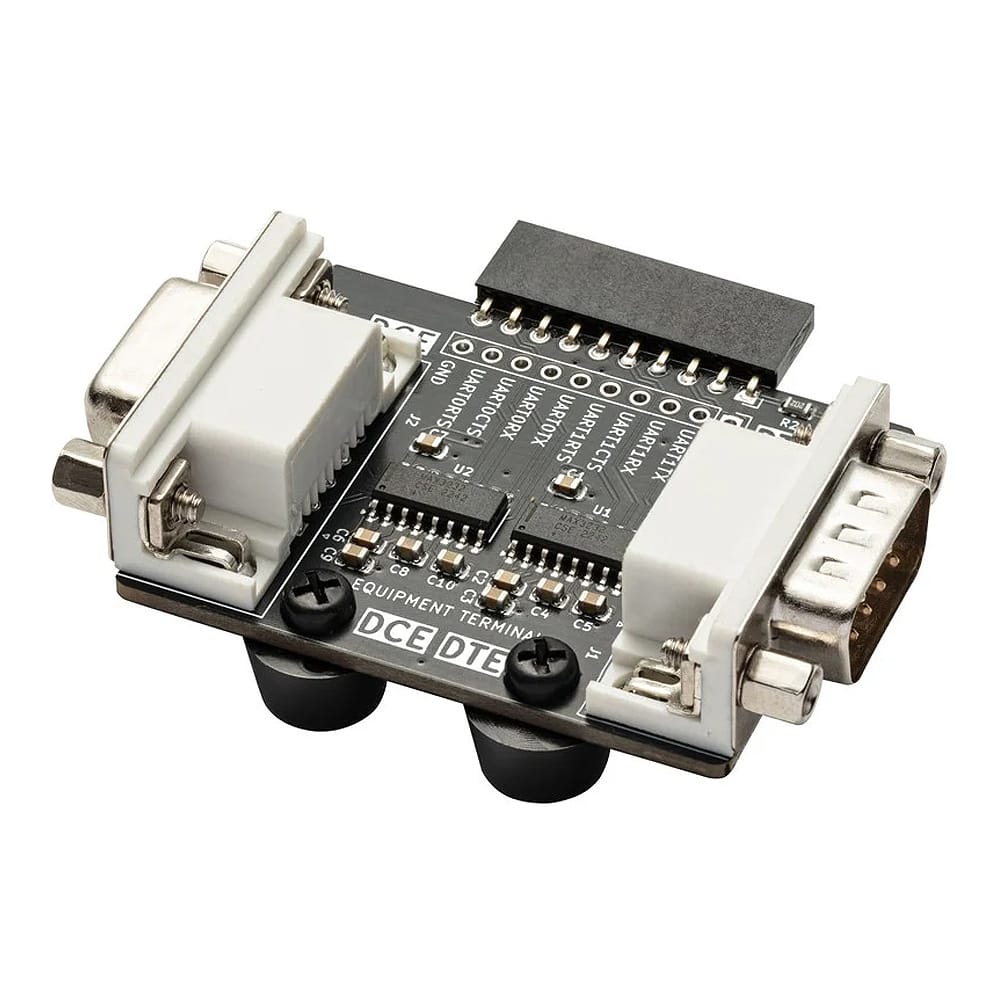
Probe and debug serial protocols like I2C, SPI, UART, 1-Wire and more - without writing code!
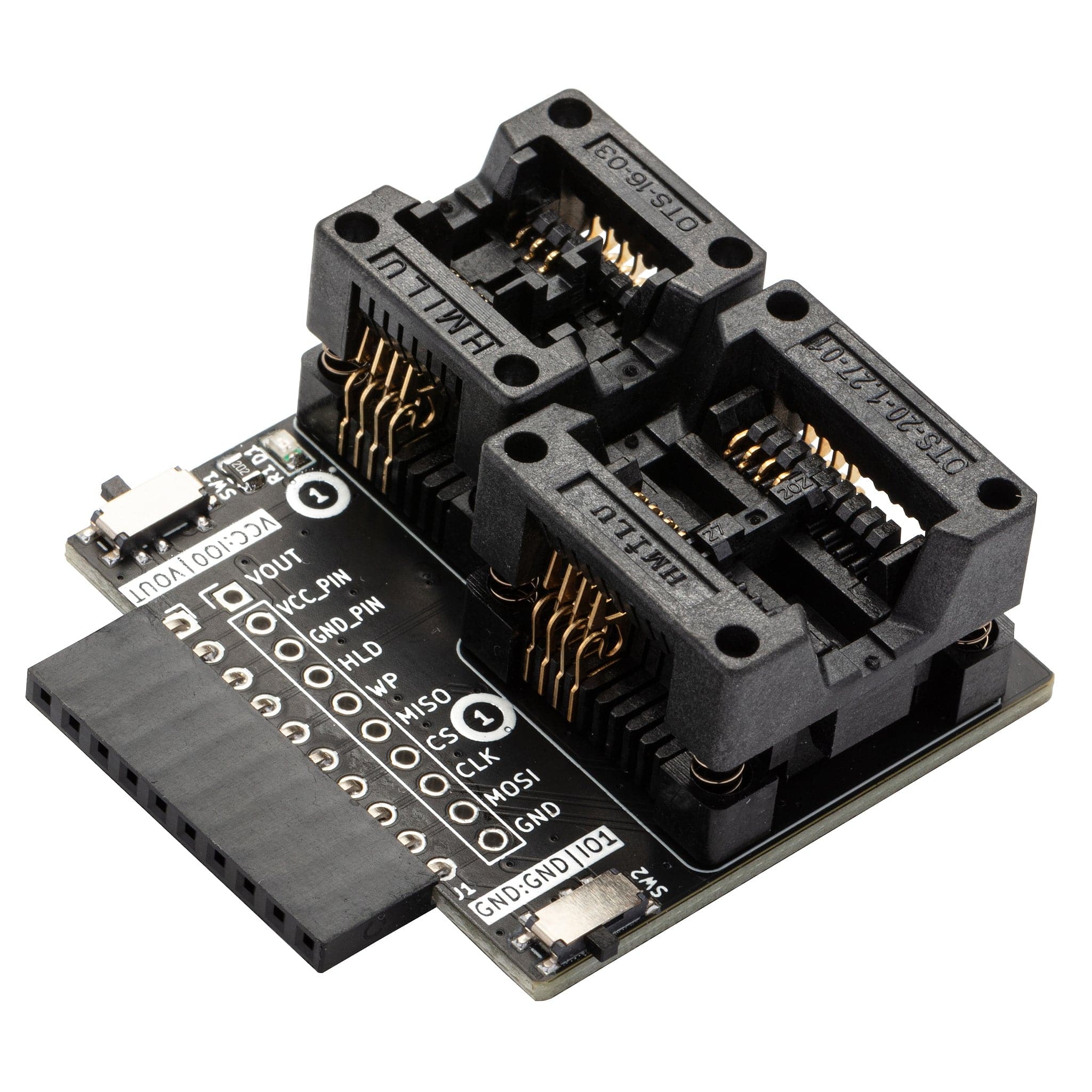
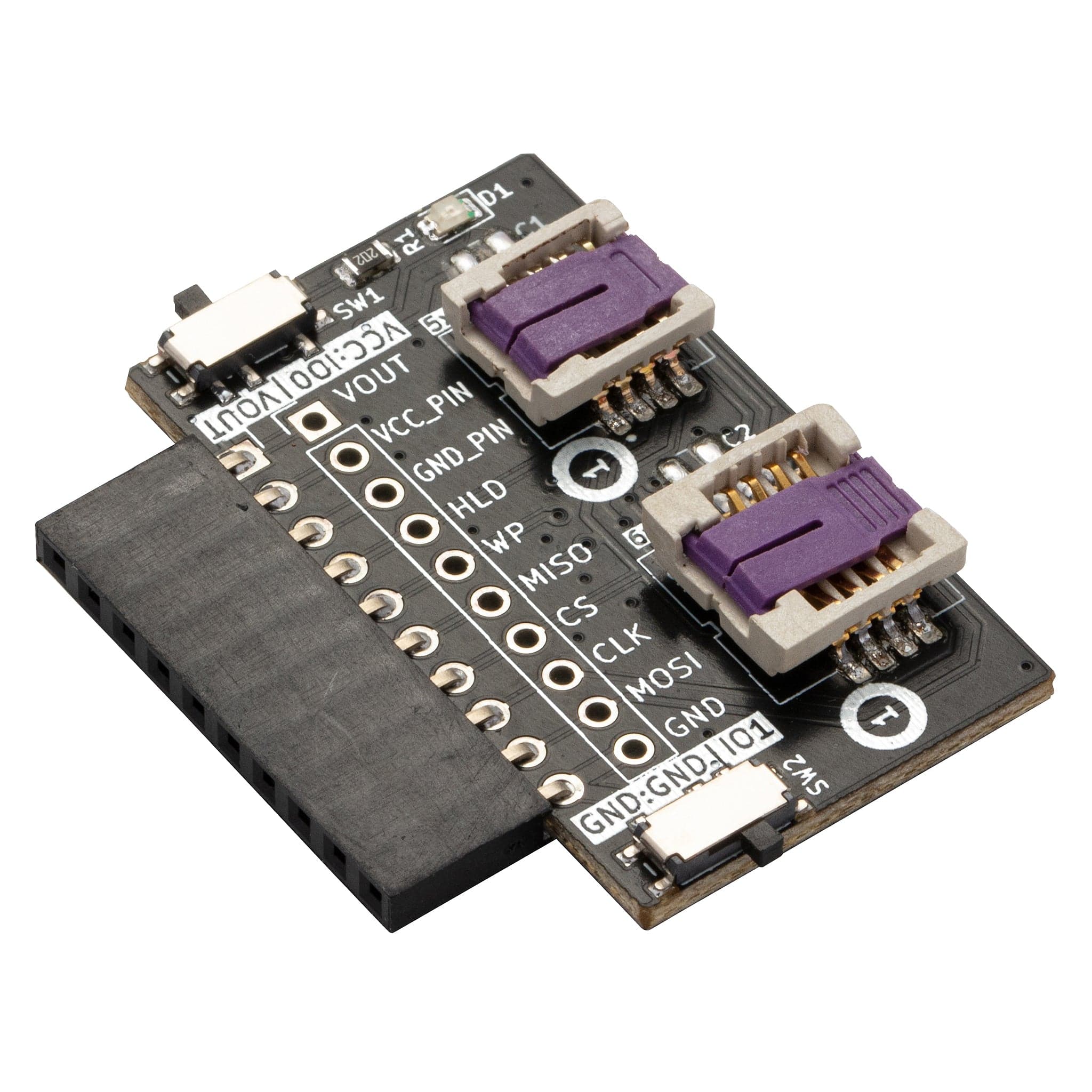
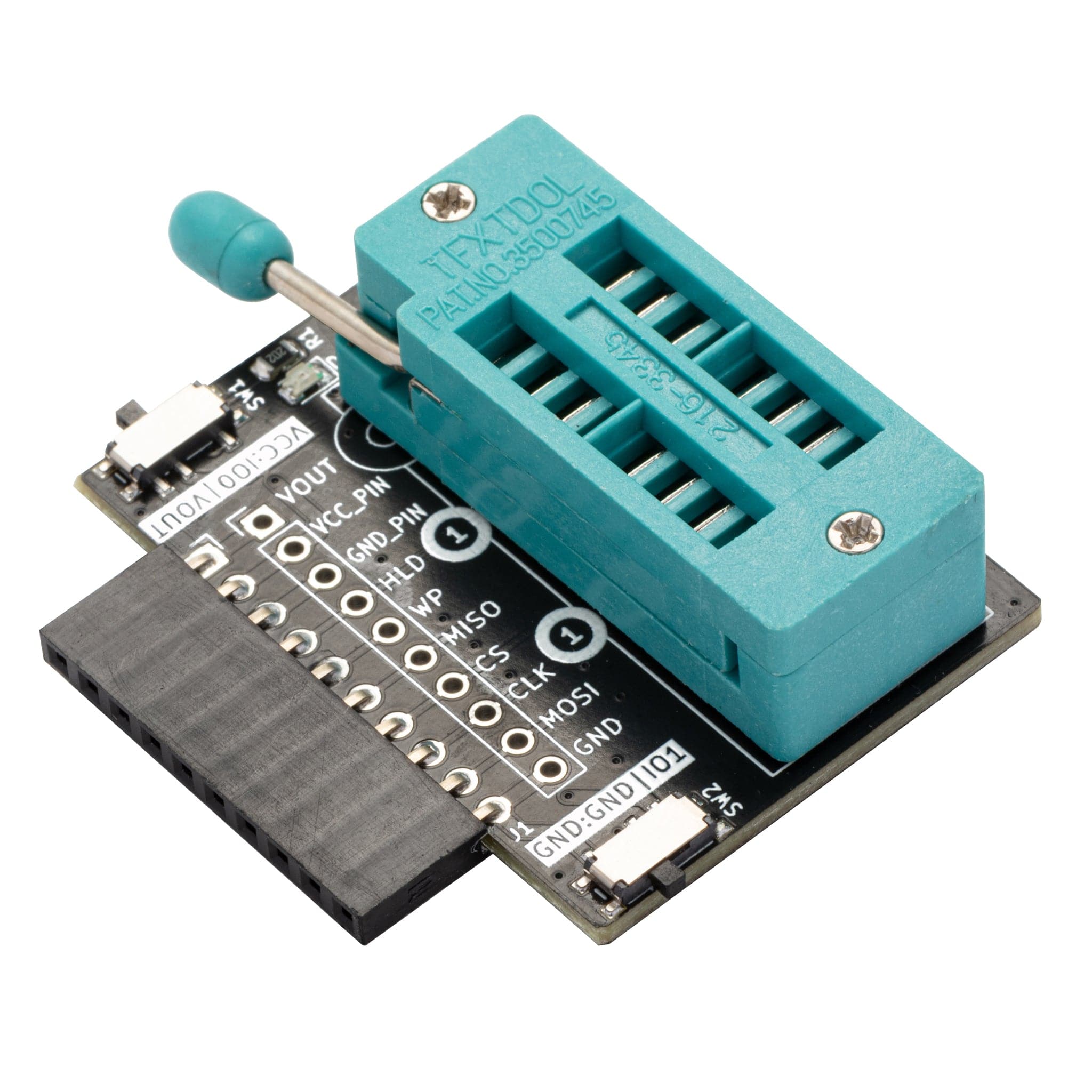
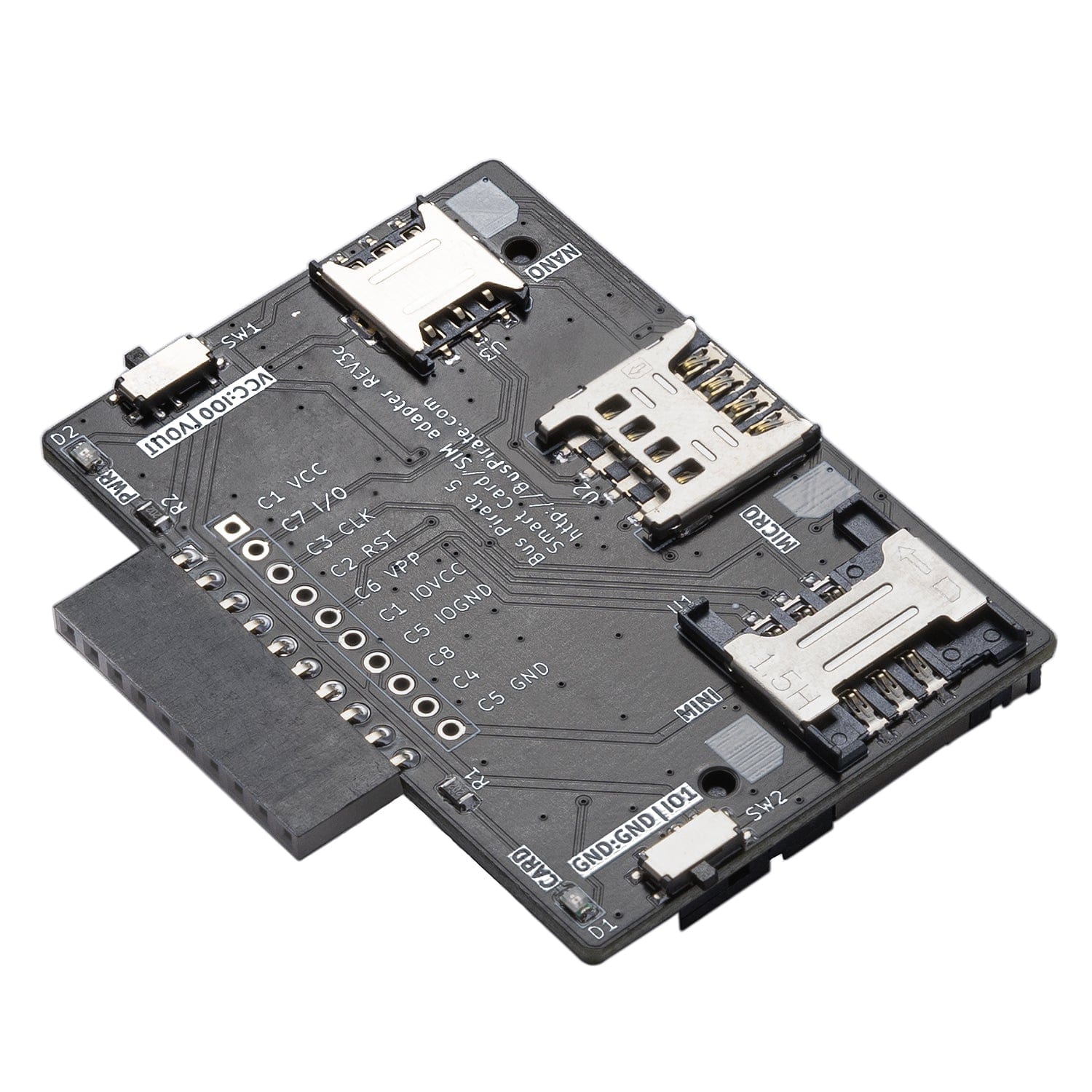
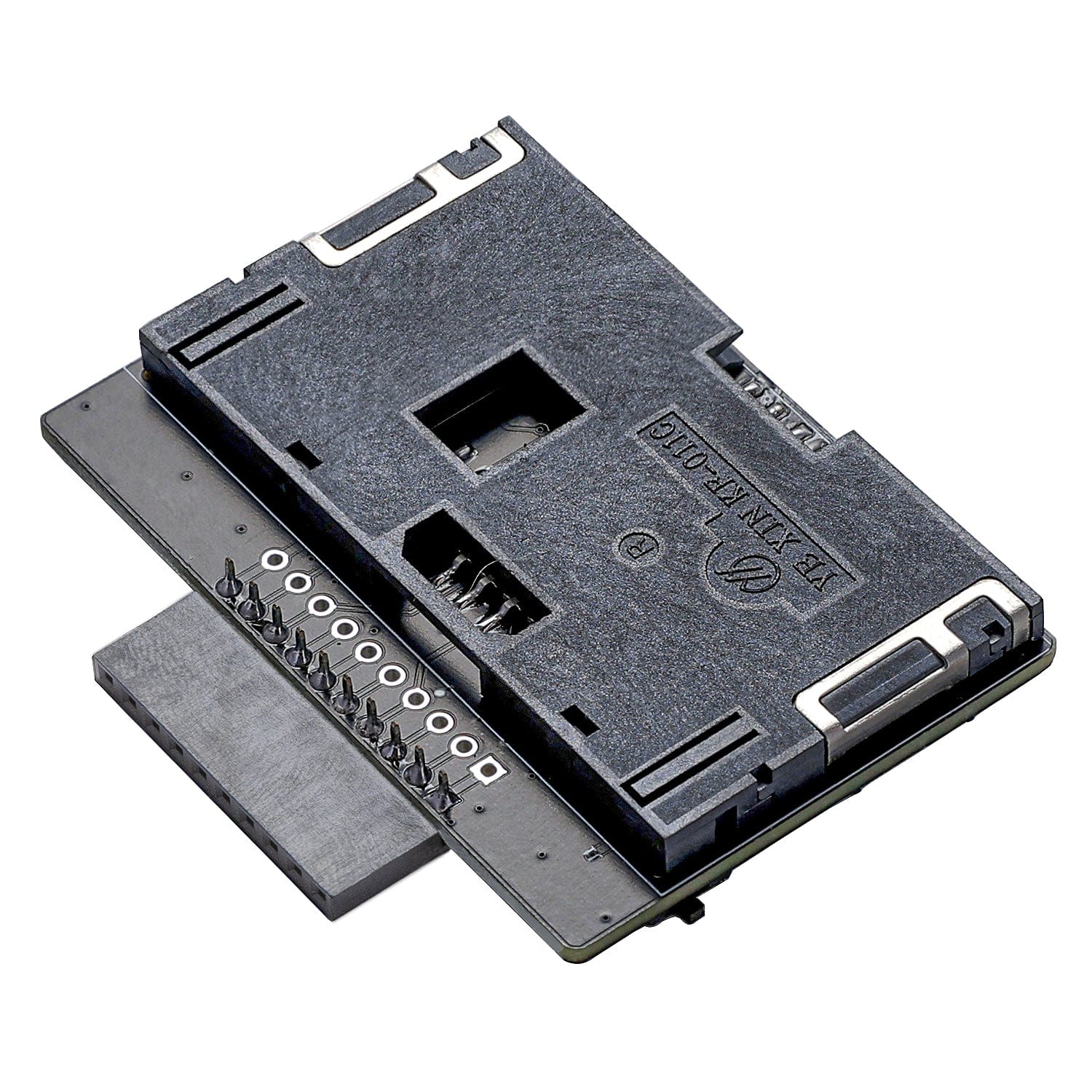
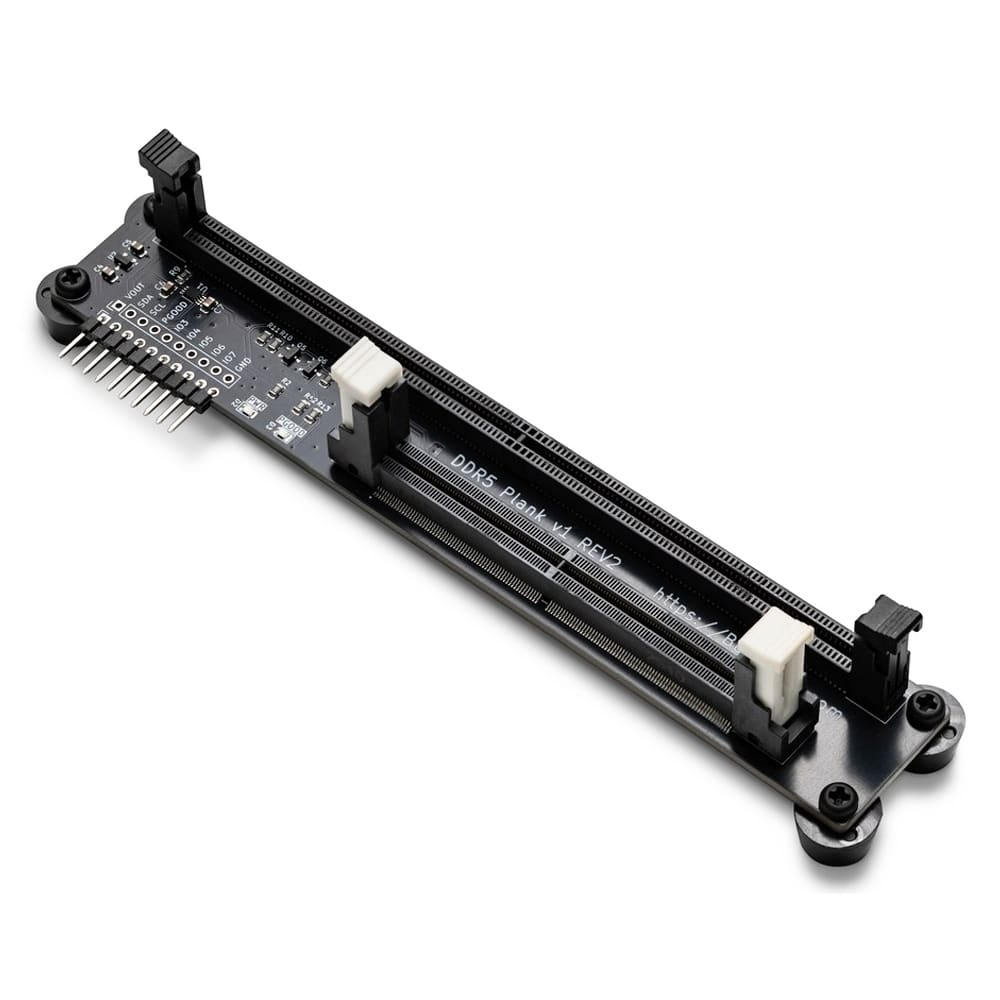
Read and write Flash memory, 24x/25x/93x/95x EEPROMs, DDR5 SPD, smart cards, and FRAM
Several types of logic analyser support, and a low speed oscilloscope
Discover JTAG and SWD debug ports
Sniff I2C and other busses
Glitch hack an Arduino
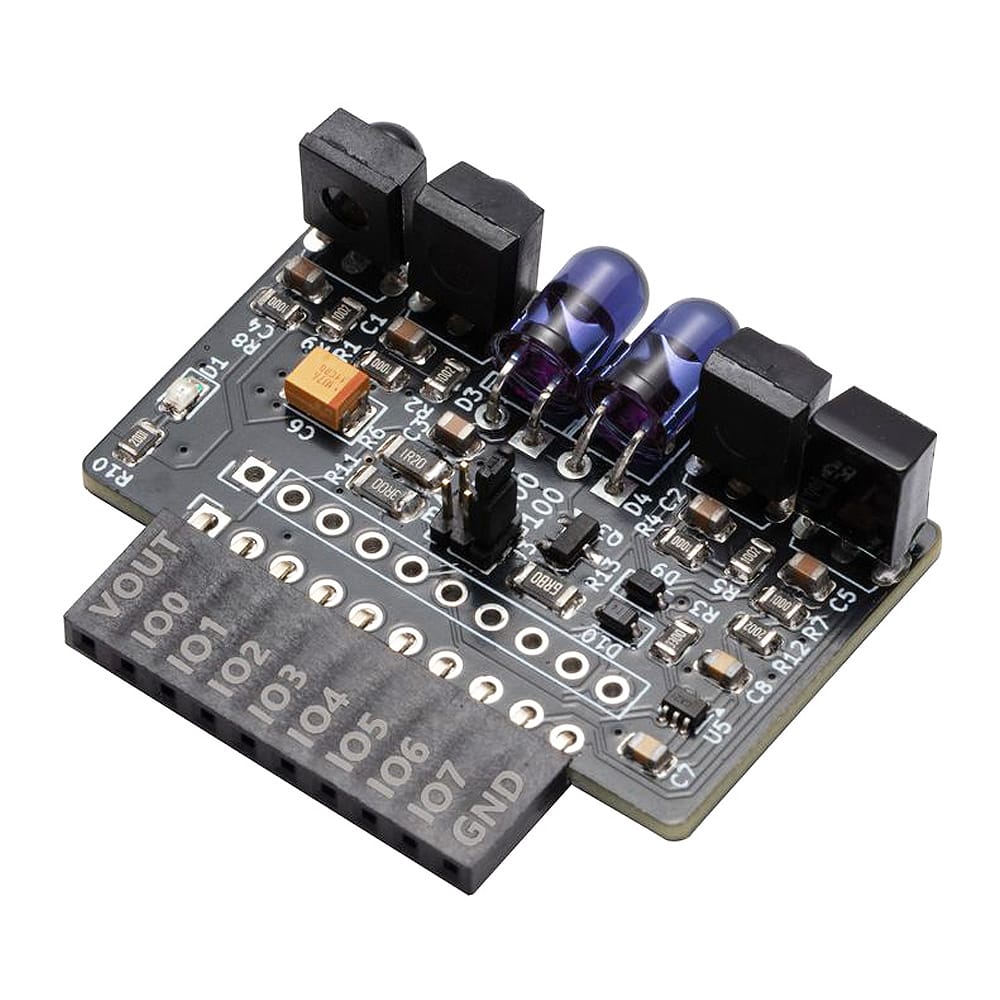
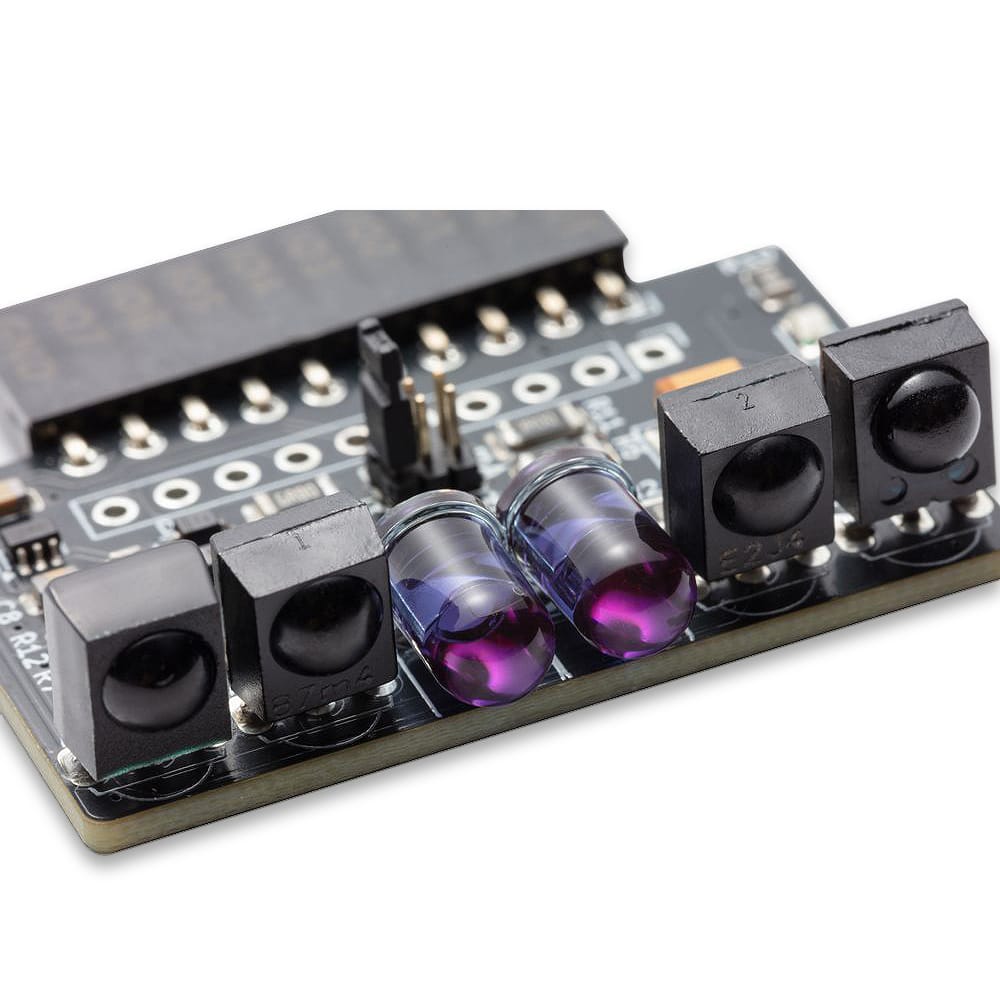
Record and playback infrared remote control signals, also works with AnalysIR software
Control common serial LEDs like WS2812, SK6812, APA102, and read RGB colour sensors
Works with FlashRom and AVRDUDE
Nearly constant firmware releases and updates, active community support
Can’t get a chip to work?
Is it the circuit, code, bad part or a burned out pin? The Bus Pirate sends commands over common serial protocols (1-Wire, I2C, SPI, UART, MIDI, serial LEDs, etc) so you can get to know a chip before prototyping. Updated with tons of new features, talking to chips and probing interfaces is more fun than ever!
Features
RP2350B
Based on Raspberry Pi Foundation RP2350B
128Mbit flash storage for lots of features
Firmware developed with the Pico C language SDK
Follow Along Logic Analyzer (New in Bus Pirate 6!)
Logic capture automatically, on every command
Instantly see what happens on the bus while you work
8 Buffered IO pins
1.65–5V operating range, 3-state
Voltage measurement on every pin
Toggleable 10K pull-up resistors
10-pin x 2.54mm main header
9-pin x 1.0mm auxiliary header
Programmable Power Supply Unit
Current sense
Programmable 1–5.0V output
Programmable 0–500mA current limit
Resettable digital fuse
Protection circuit
1Gbit NAND flash storage
Save global and mode settings
Appears as a USB disk drive
Future use for logs, dumps and stand-alone programming
LCD
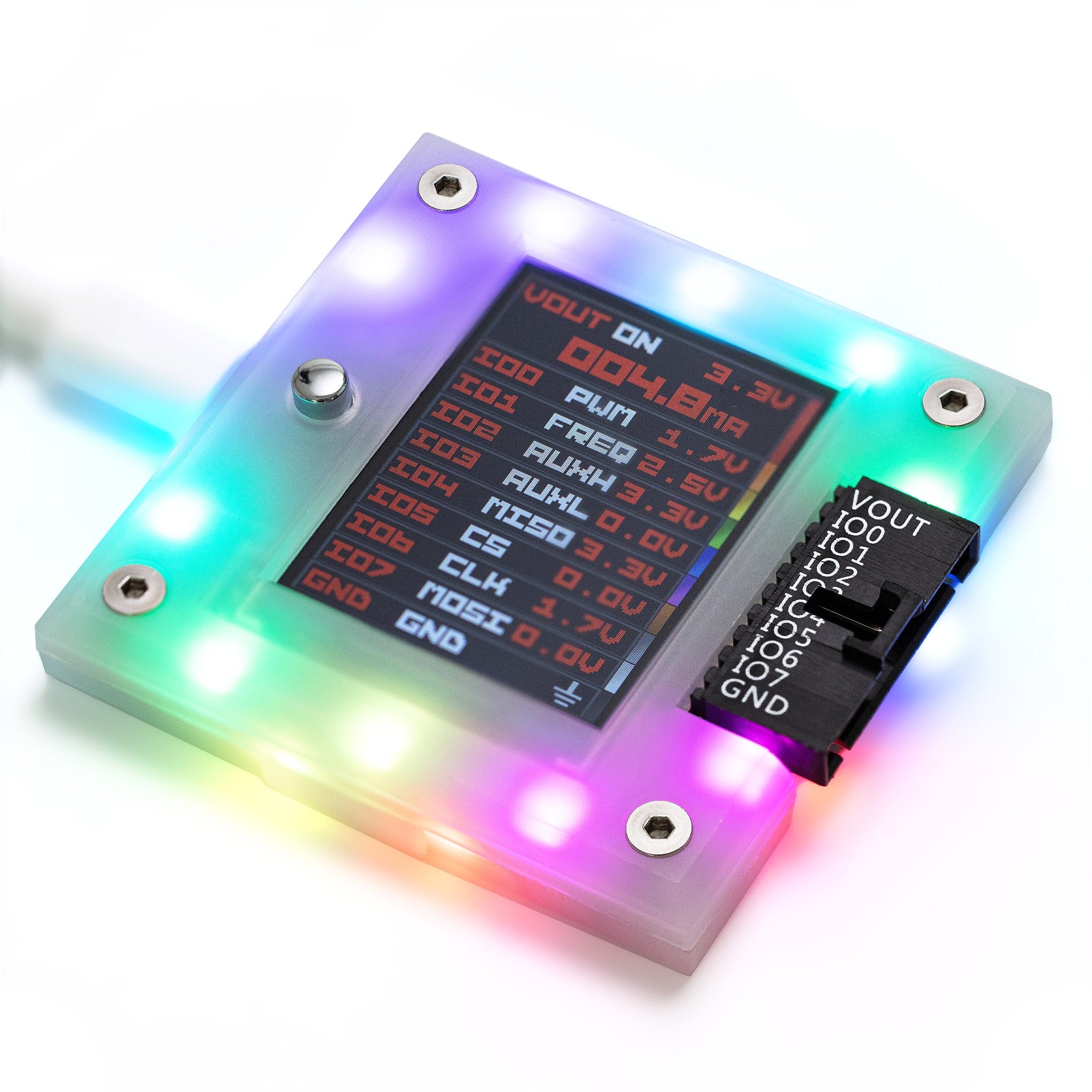
320 x 240 pixel IPS all-direction display
Pin labels
Live voltage measurements
Live current consumption
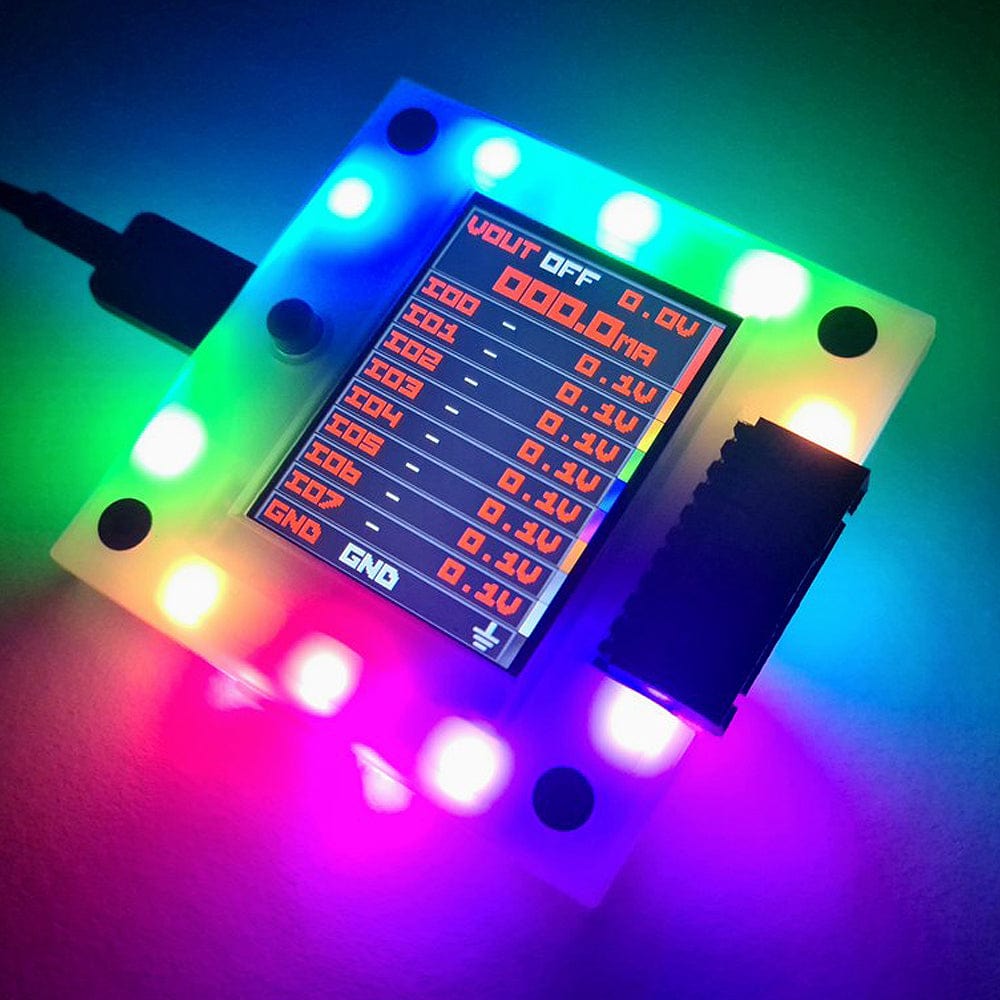
18 RGB LEDs
Introduction demo
Party mode
Just one button
Escape from modes
Scriptable
User input for production programming, remote hacking, whatever
VT100 terminal interface
Colour interface
Live update toolbar/monitor
USB bootloader
Updating is as simple as dragging a file onto the disk
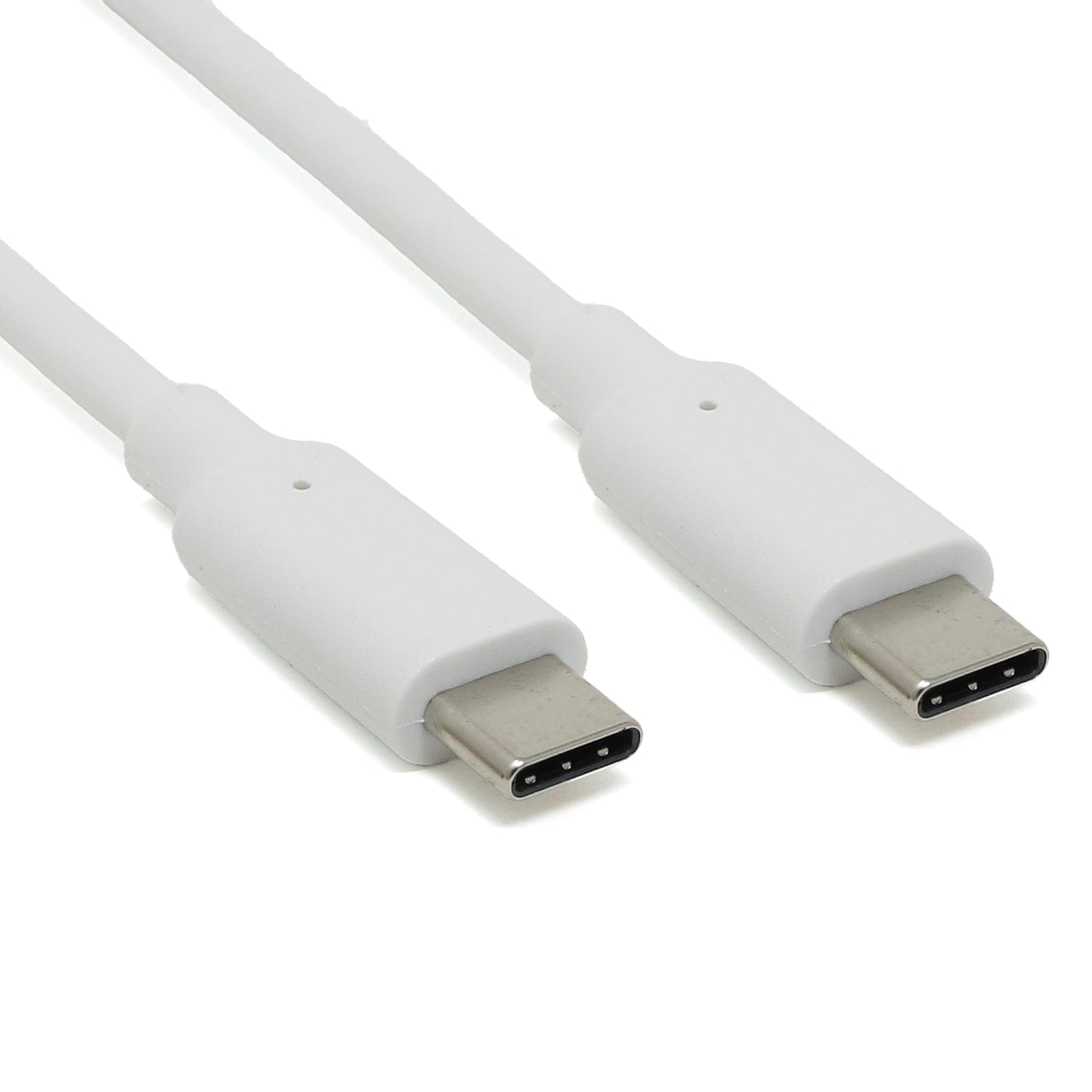
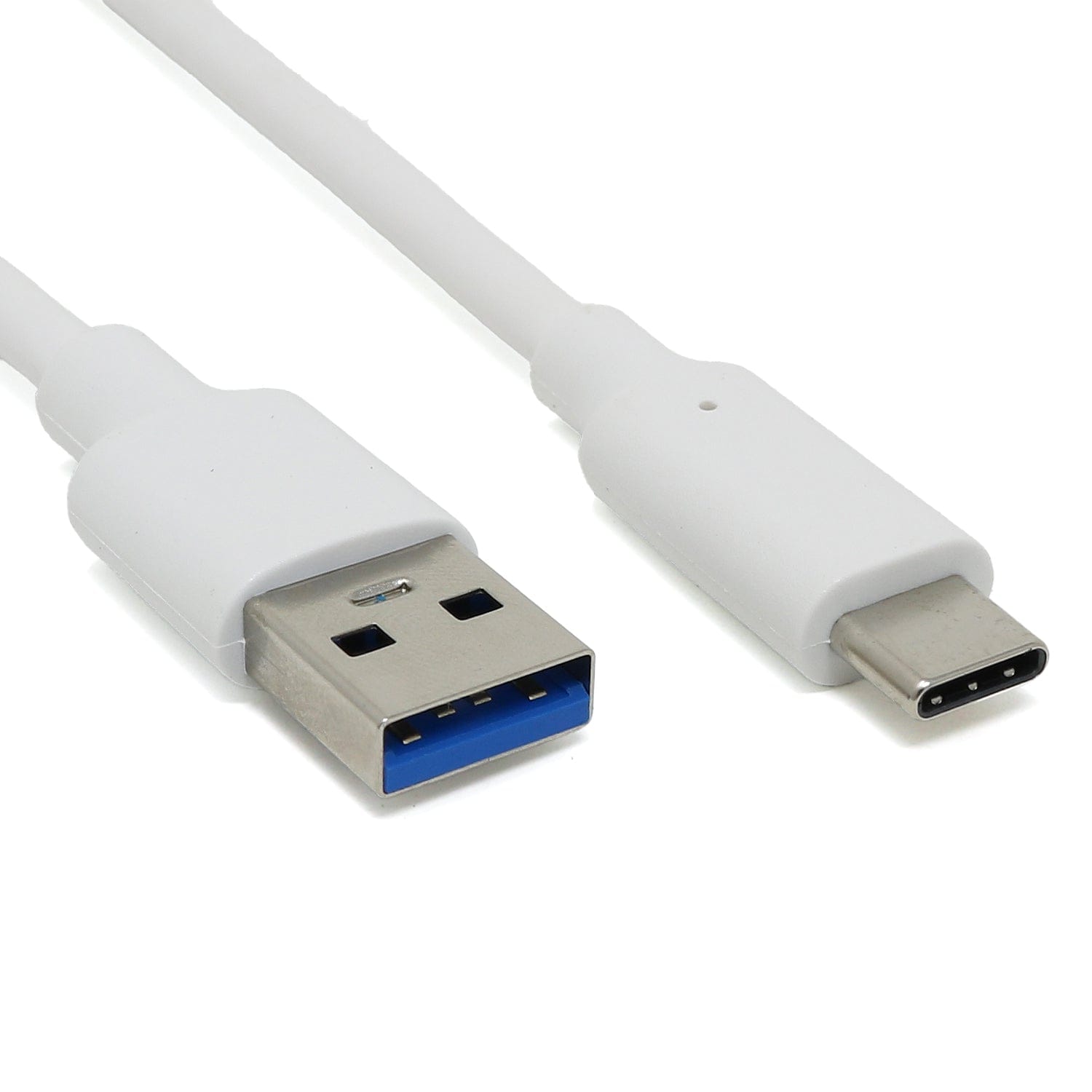
USB-C connector
Limited to the USB speeds supported by the RP2350B