Adafruit SGP41 Multi-Pixel Gas Sensor Breakout - VOC & NOx
Price:
Sale price
£19.20
Stock:
Login / Signup
Cart
Your cart is empty


The Adafruit SGP41 Air Quality Sensor measures VOCs and NOx with a single I2C interface, giving you a clear picture of indoor air quality without the usual analogue complexity.
The Adafruit SGP41 Air Quality Sensor (VOC + NOx) makes it easy to add indoor air quality sensing to your project, combining VOC and nitrogen oxide detection in a single I2C device.
Sniff sniff… no need to guess what’s in the air anymore. The SGP41 is a fully integrated MOX gas sensor from Sensirion, designed to measure indoor air quality without the complexity of managing heaters or analogue signals. It combines multiple metal-oxide sensing elements on one chip, and unlike the earlier SGP40, this version adds a dedicated NOx sensing pixel so you can measure both VOCs (volatile organic compounds) and nitrogen oxides.
Inside the sensor are two MOX hot-plate elements — one for VOCs and one for NOx — along with a built-in microcontroller that handles heater control, analogue measurements, and I2C communication. Unlike some alternatives such as the CCS811, this sensor does not require I2C clock stretching. Libraries are available for both Arduino (for raw VOC and NOx readings) and Python/CircuitPython, making it suitable for use with Raspberry Pi and microcontroller platforms.
Rather than outputting TVOC or eCO2 values like the SGP30, the SGP41 provides two raw signals which are processed using Sensirion’s Gas Index Algorithm. This produces VOC and NOx index values on a scale from 1 to 500, where 100 represents a typical indoor environment. As with all gas sensors, readings can vary, so calibration against known sources is recommended for more precise measurements. For general monitoring and trend analysis, it provides a reliable indication of air quality changes.
For improved accuracy, the sensor supports humidity and temperature compensation. By supplying relative humidity and temperature data from an external sensor over I2C, the SGP41 can adjust its readings to reduce environmental drift.
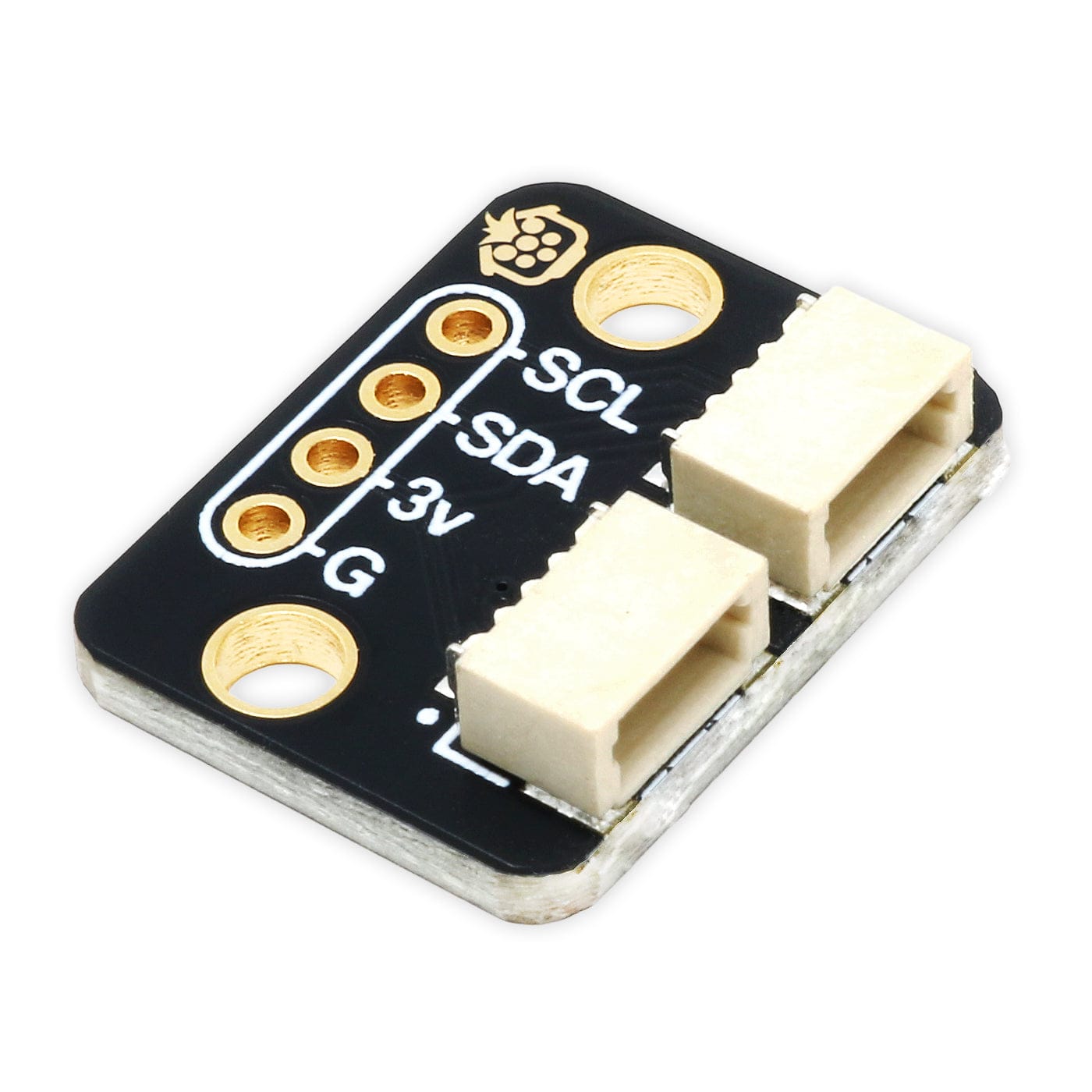
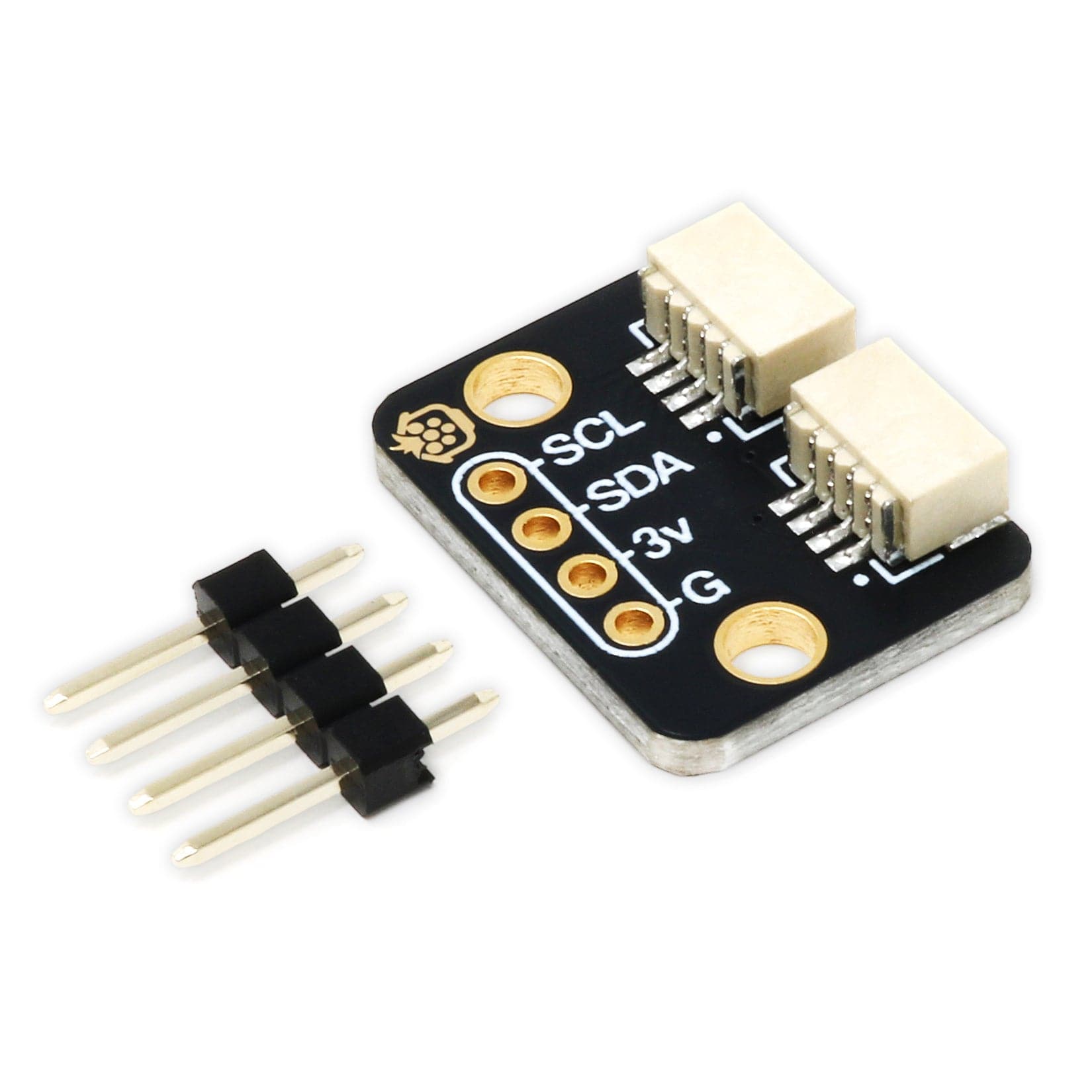
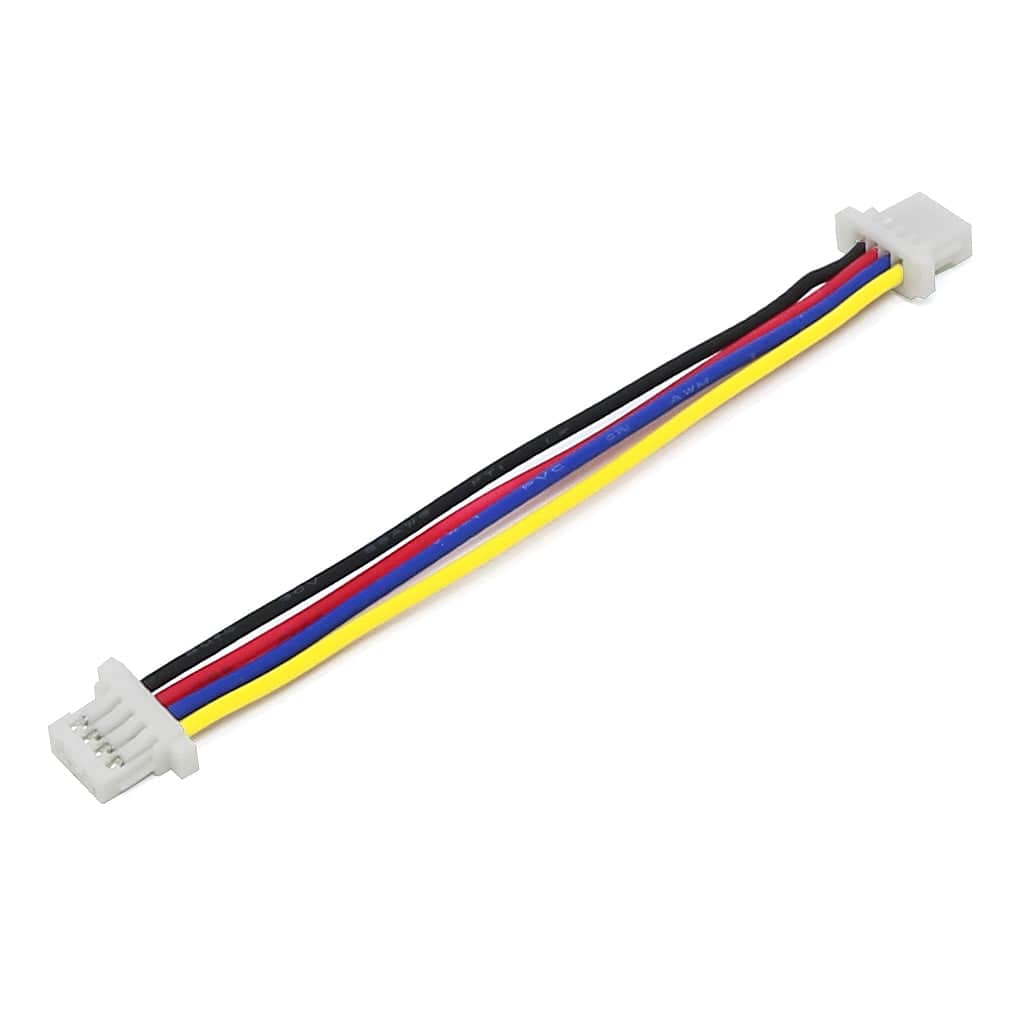
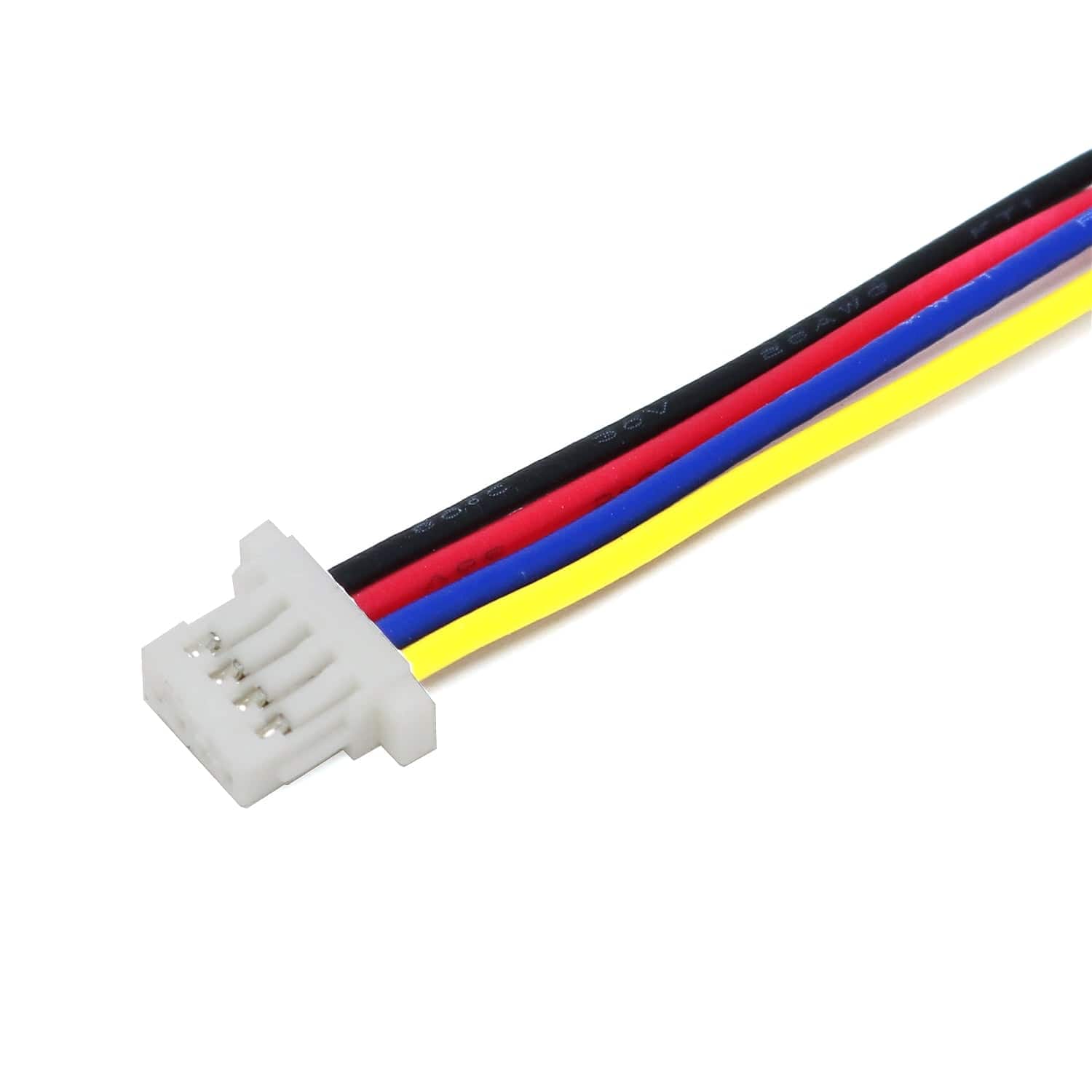
To make integration straightforward, the sensor comes pre-soldered onto a custom PCB in the STEMMA QT form factor. The onboard connectors are compatible with SparkFun Qwiic, allowing quick, solderless connections and easy chaining with other I2C devices. A QT cable is not included, but is available separately.
All pins are also broken out to standard headers, and the board includes a 3.3V regulator and level shifting, so it can be used with both 3.3V and 5V systems such as Arduino or Feather boards.
Your payment information is processed securely. We do not store credit card details nor have access to your credit card information.