Adafruit Fruit Jam - Mini RP2350 Computer

AdafruitSKU: ADA6200
Price:
Sale price £38.40
incl. VAT
excl. VAT
Stock:
Only 5 units left
Quantity:

Awesome Extras

Qwiic Hub by The Pi Hut - The Pi HutQwiic Hub by The Pi Hut - The Pi Hut
The Pi HutQwiic Hub
Sale price £2.90 incl. VAT excl. VAT
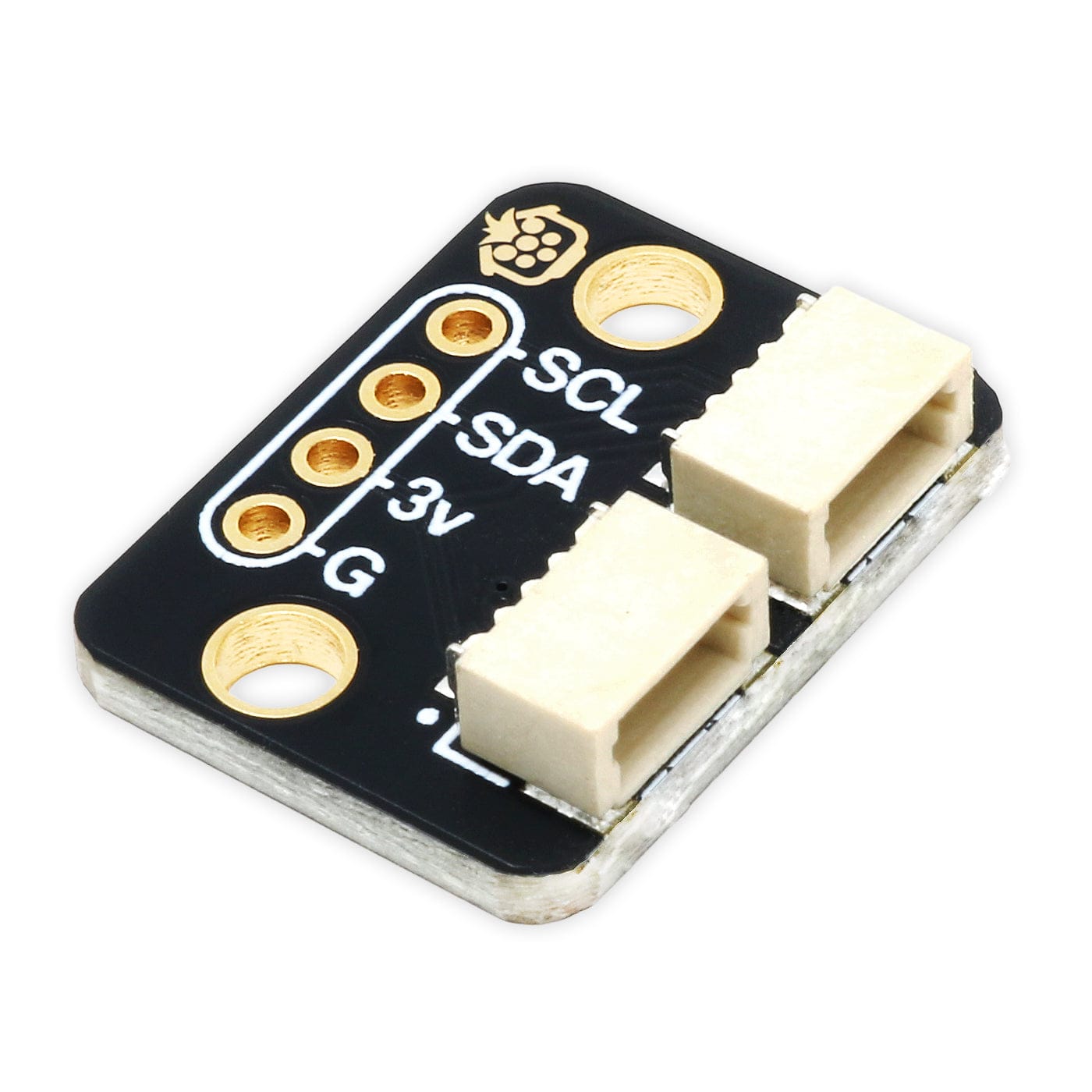
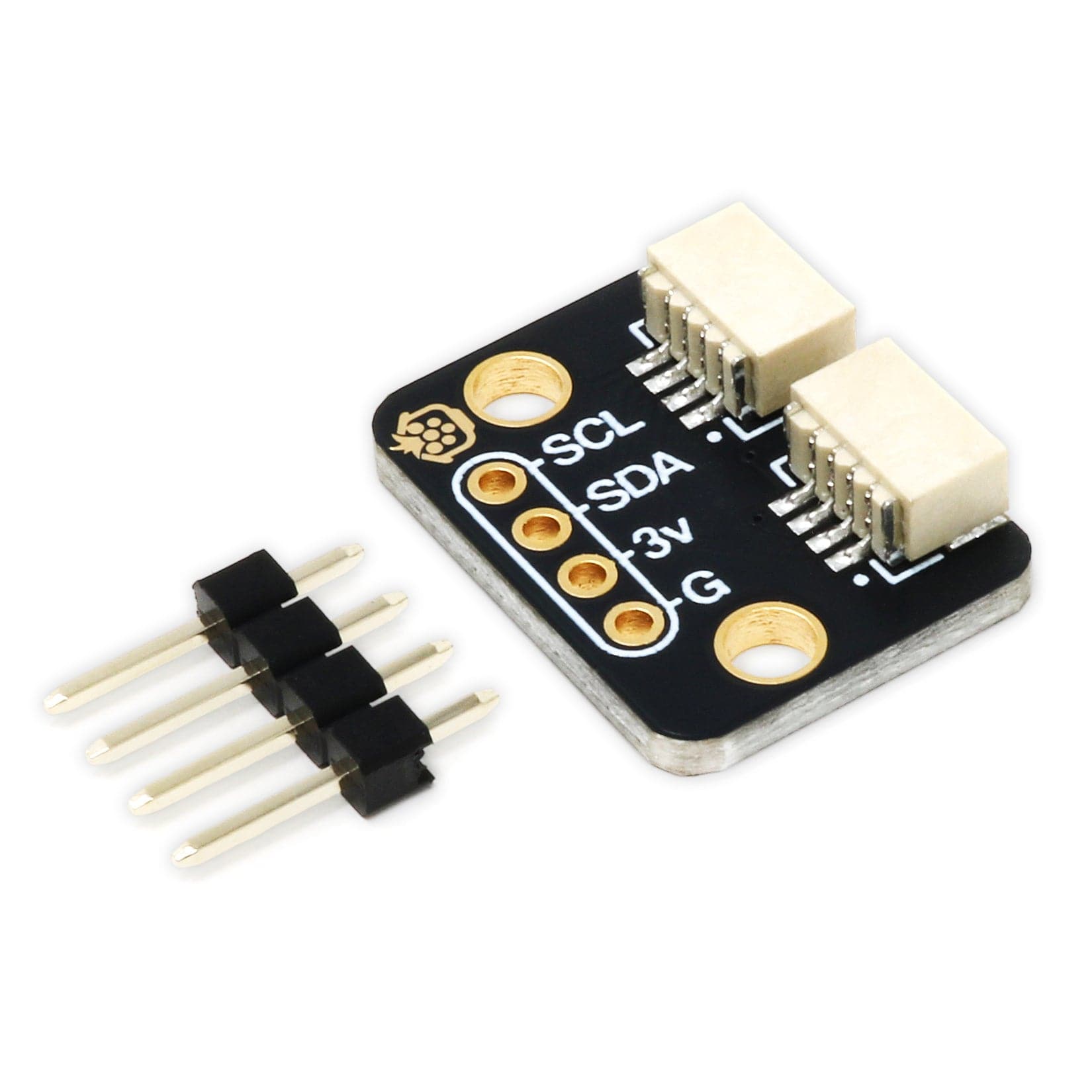
Qwiic Breakout by The Pi Hut - The Pi HutQwiic Breakout by The Pi Hut - The Pi Hut
The Pi HutQwiic Breakout
Sale price £2.30 incl. VAT excl. VAT
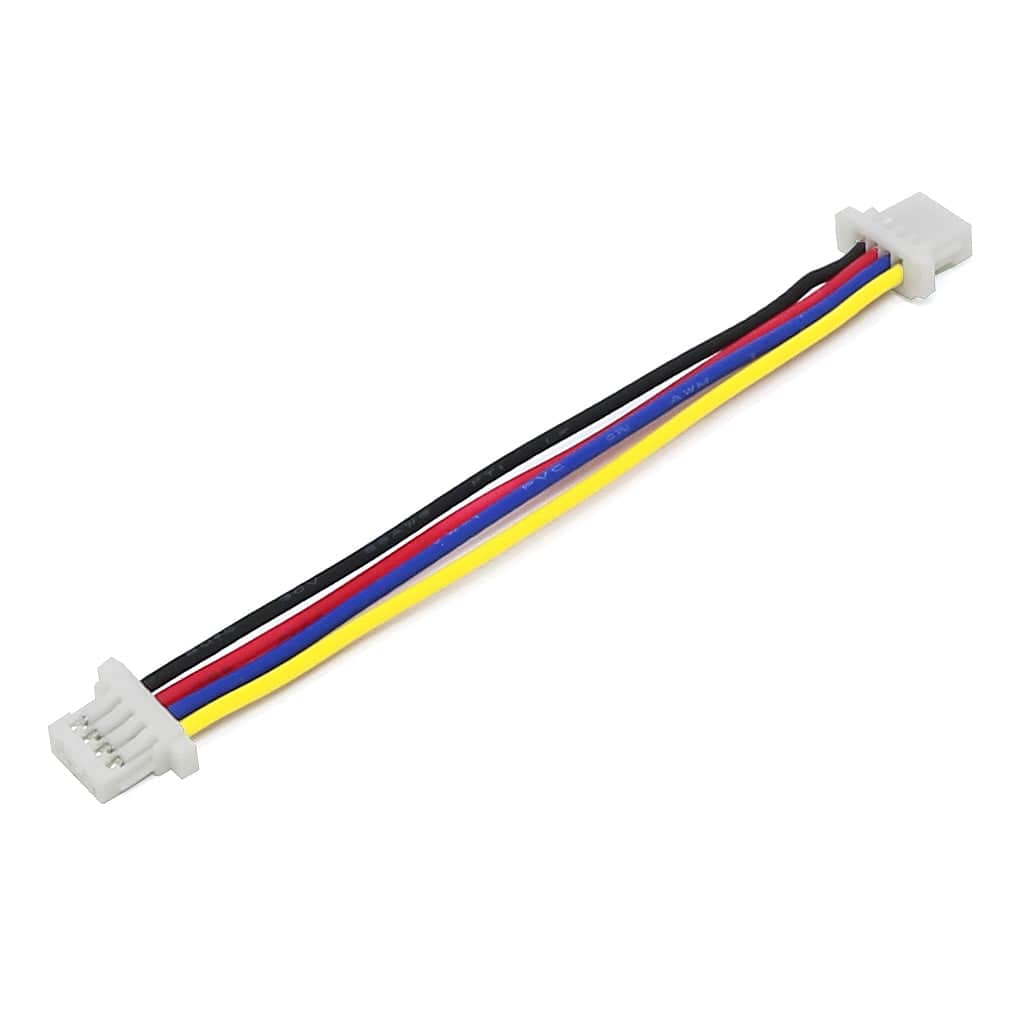
Qwiic/STEMMA QT-Compatible Cable - JST-SH 4-Pin (50mm) by The Pi Hut - The Pi HutQwiic/STEMMA QT-Compatible Cable - JST-SH 4-Pin (50mm) by The Pi Hut - The Pi Hut
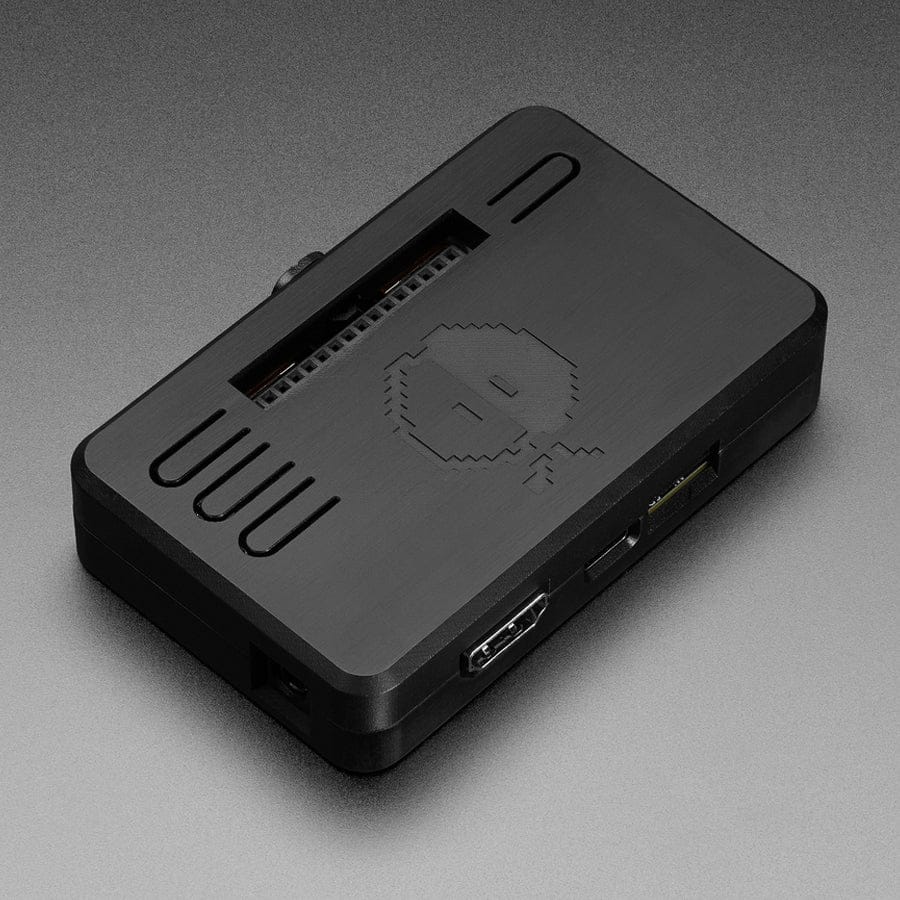
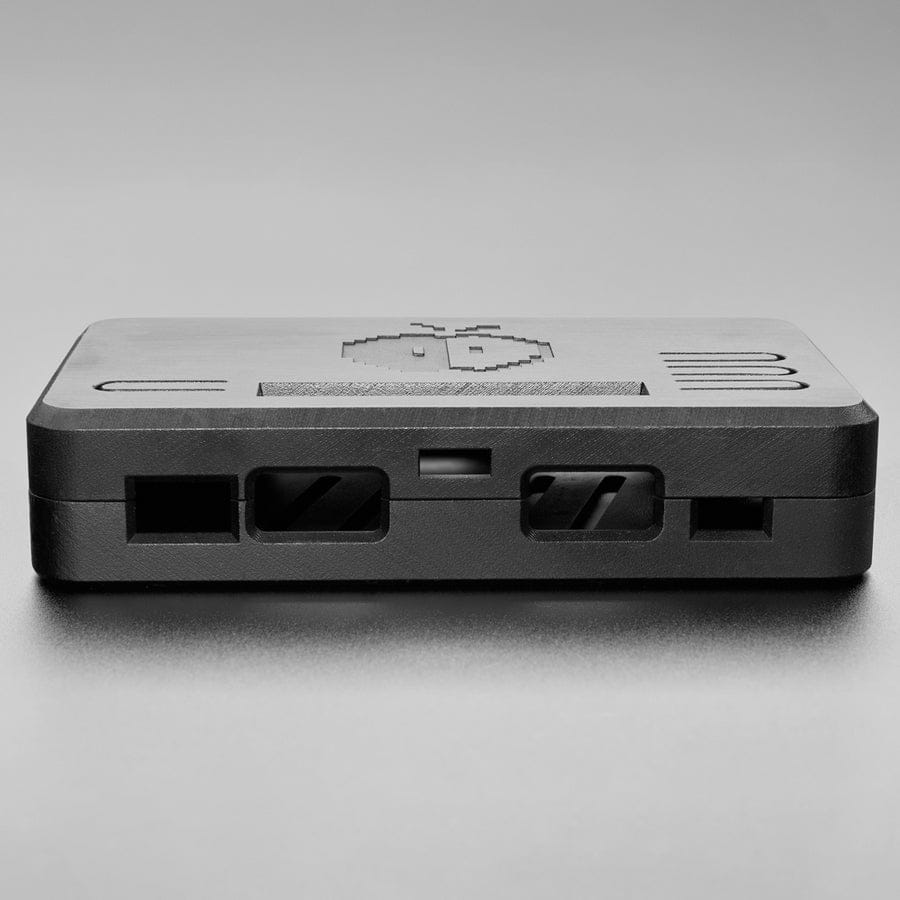
Snap-on Enclosure for Adafruit Fruit Jam by Adafruit - The Pi HutSnap-on Enclosure for Adafruit Fruit Jam by Adafruit - The Pi Hut
AdafruitSnap-on Enclosure for Adafruit Fruit Jam
Sale price £14.40 incl. VAT excl. VAT
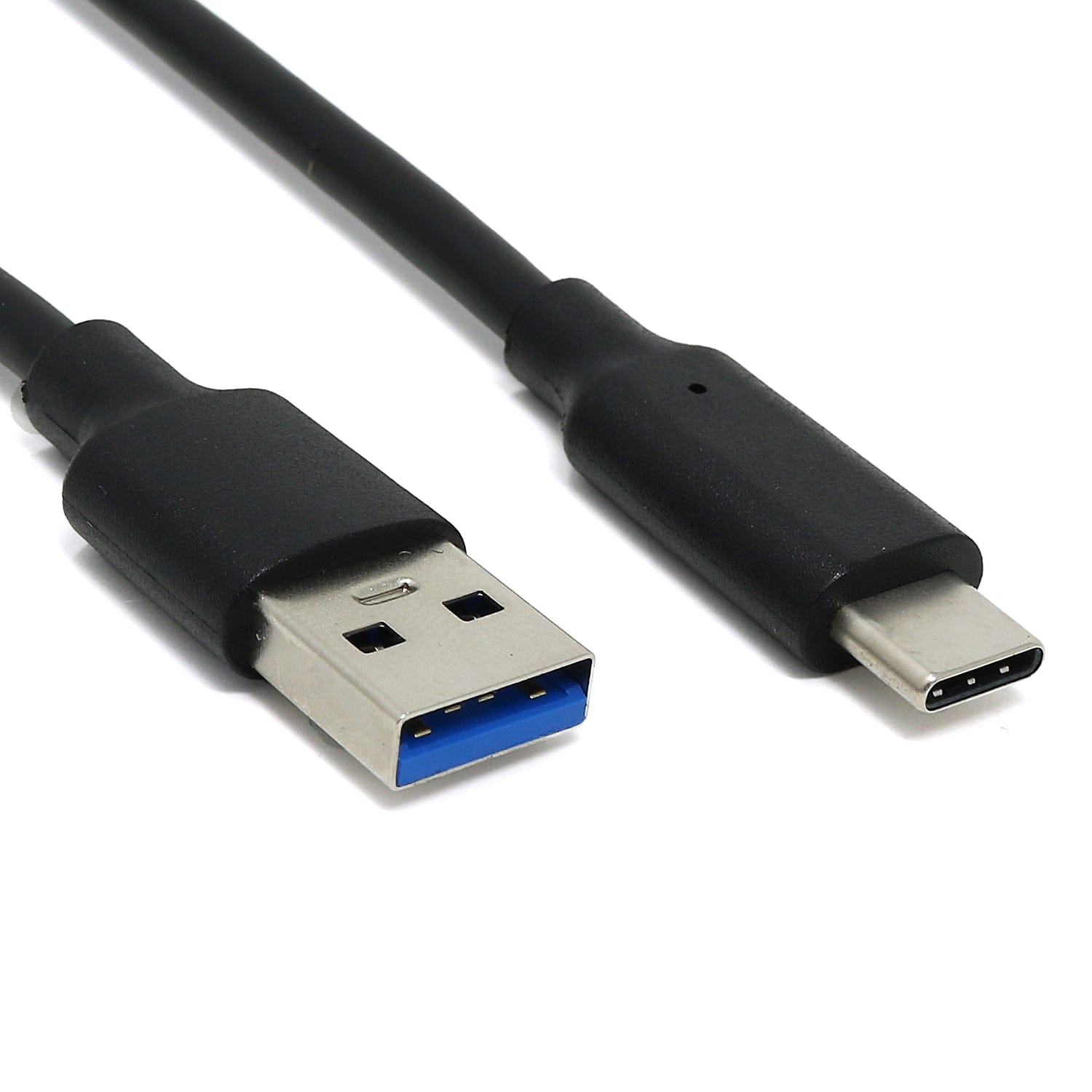
USB-A to USB-C Cable - Black by The Pi Hut - The Pi Hut
The Pi HutUSB-A to USB-C Cable - Black
Sale priceFrom £2.25 incl. VAT excl. VAT
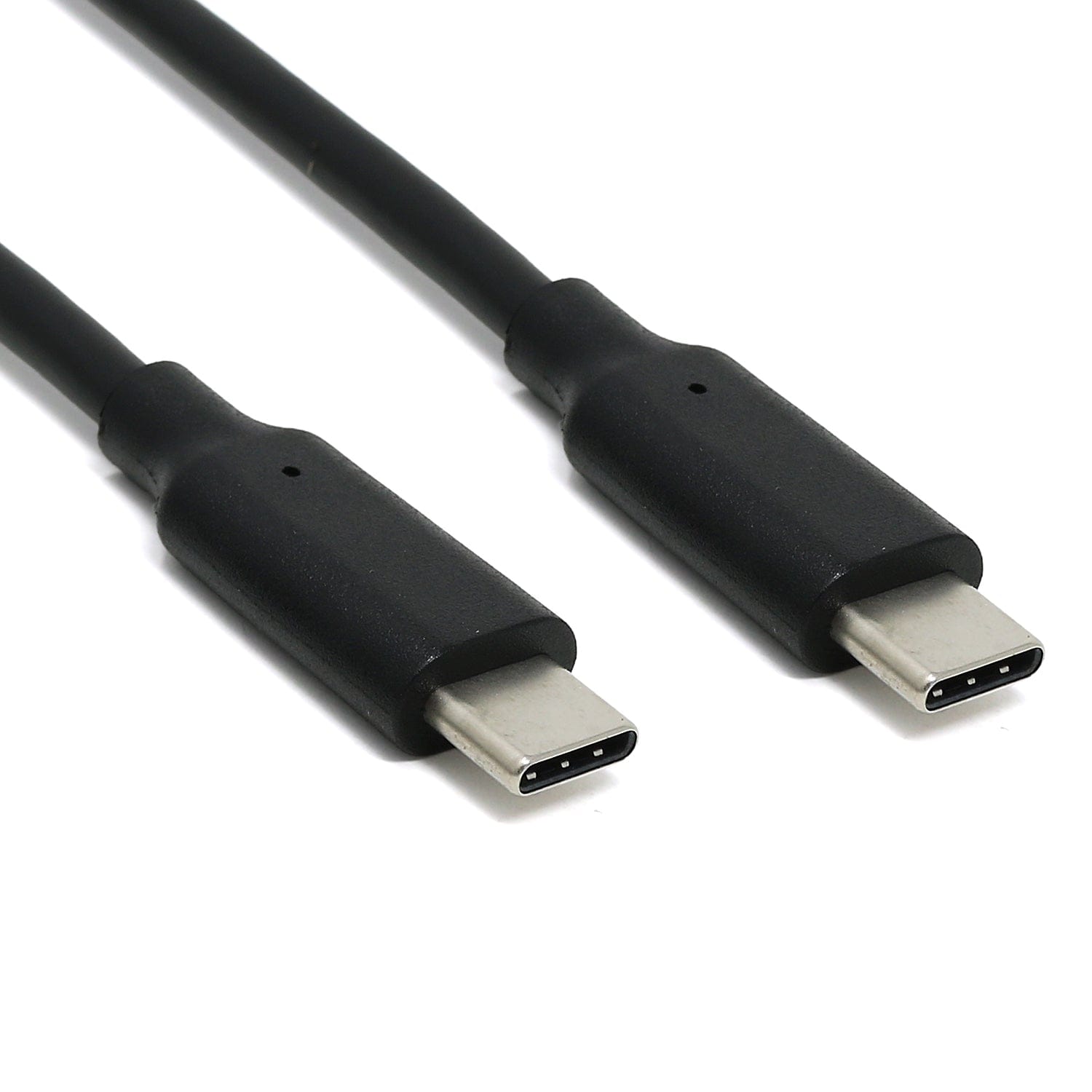
USB-C to USB-C Cable - Black by The Pi Hut - The Pi Hut
The Pi HutUSB-C to USB-C Cable - Black
Sale priceFrom £2.25 incl. VAT excl. VAT

The Adafruit Metro RP2350 Credit Card Computer is a credit card-sized board with DVI output and USB host support, letting you plug in a screen, keyboard, and mouse for a compact, retro-style computing setup.


The Adafruit Metro RP2350 Credit Card Computer is a compact, self-contained development board designed to bring a retro-style computing experience to modern hardware.

Inspired by projects like the IchigoJam and recent experimentation around RP2040-based DVI output, this board explores the idea of a small, standalone computer. With support for DVI video output and USB host functionality via PIO, it’s possible to connect a monitor, keyboard, and mouse to create a simple, self-contained system for running programs and experiments.

Designed to match the size of a standard credit card (3.375" × 2.125", ISO/IEC 7810 ID-1), this board is about as compact as it gets while still offering a full computing experience. It has a distinctly retro feel, echoing the early days of personal computing in the 70s and 80s, where you could plug into a display and start writing your own programs.

Whether you’re working in CircuitPython, Arduino, or the Pico SDK, this board provides a flexible platform for building small applications, experimenting with graphics output, or just enjoying a minimal, hands-on computing setup.

Features

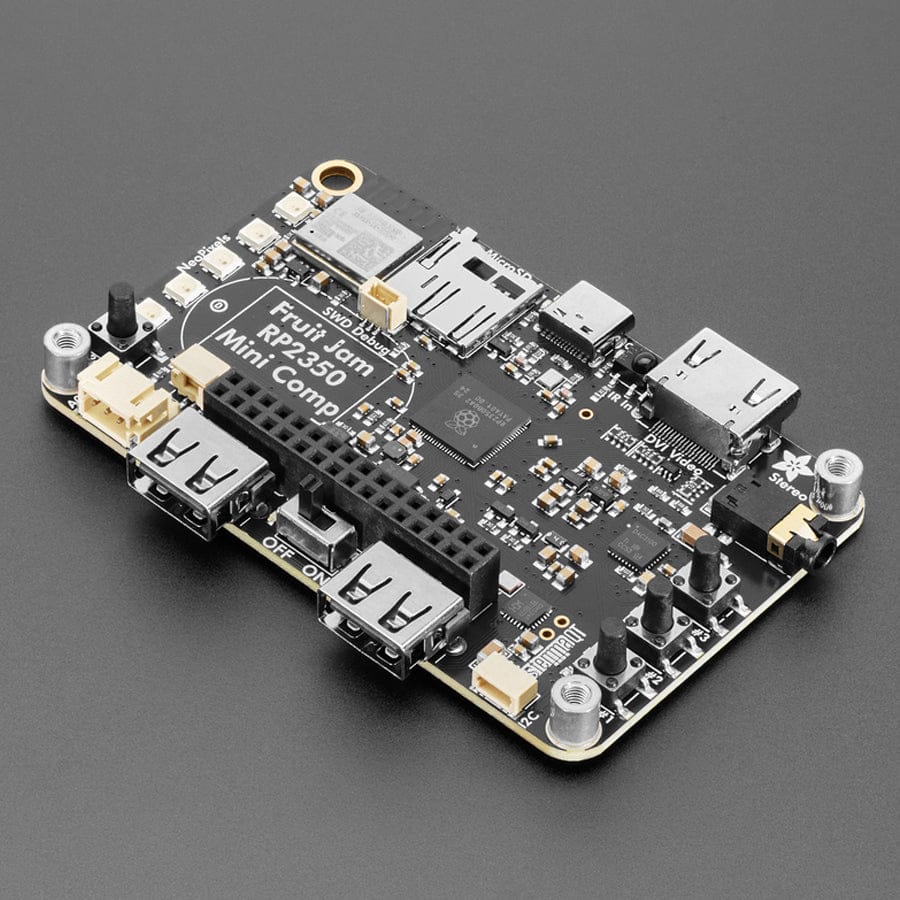
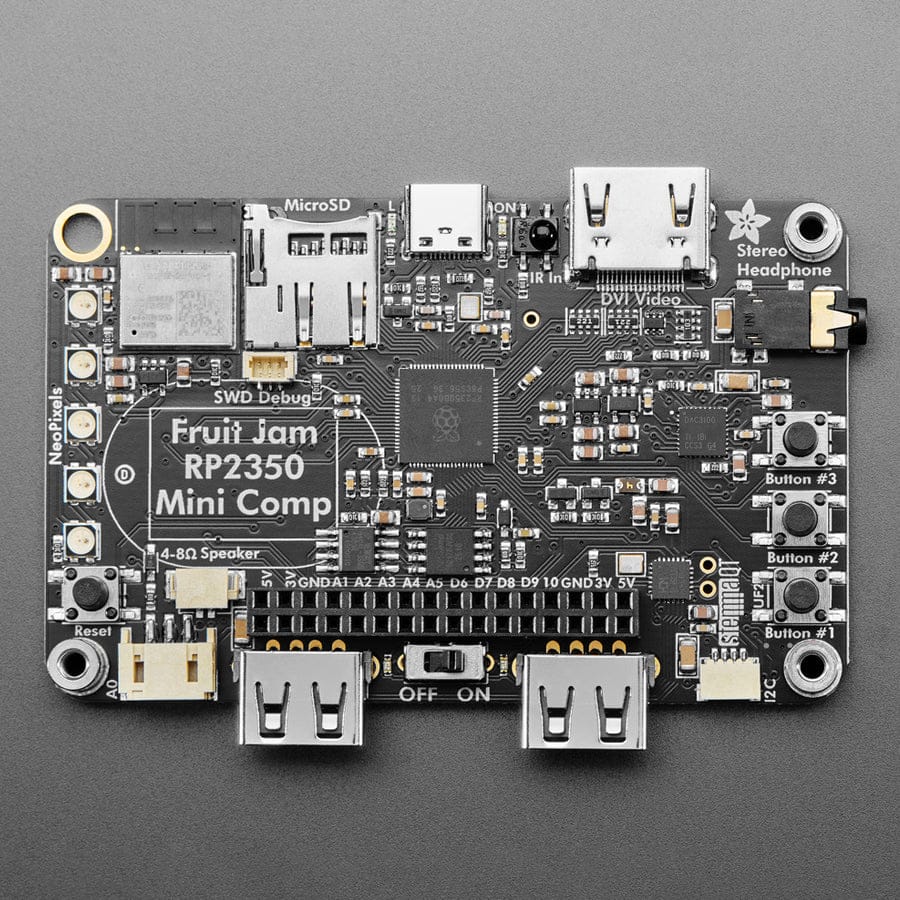
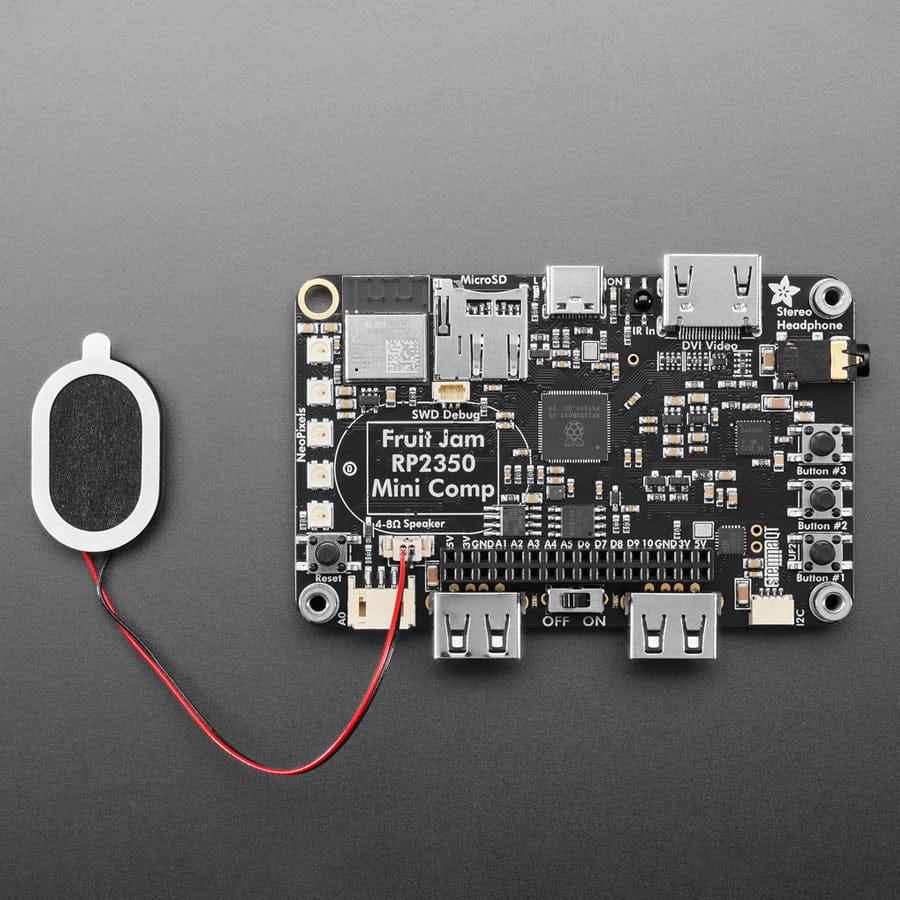
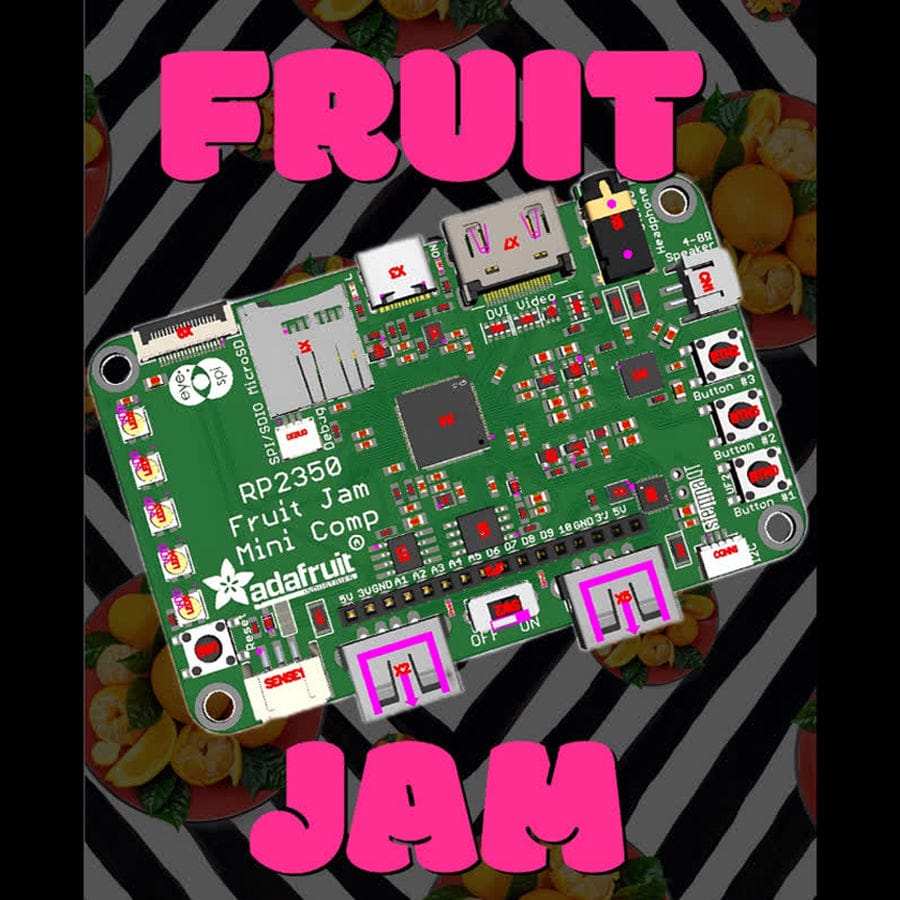
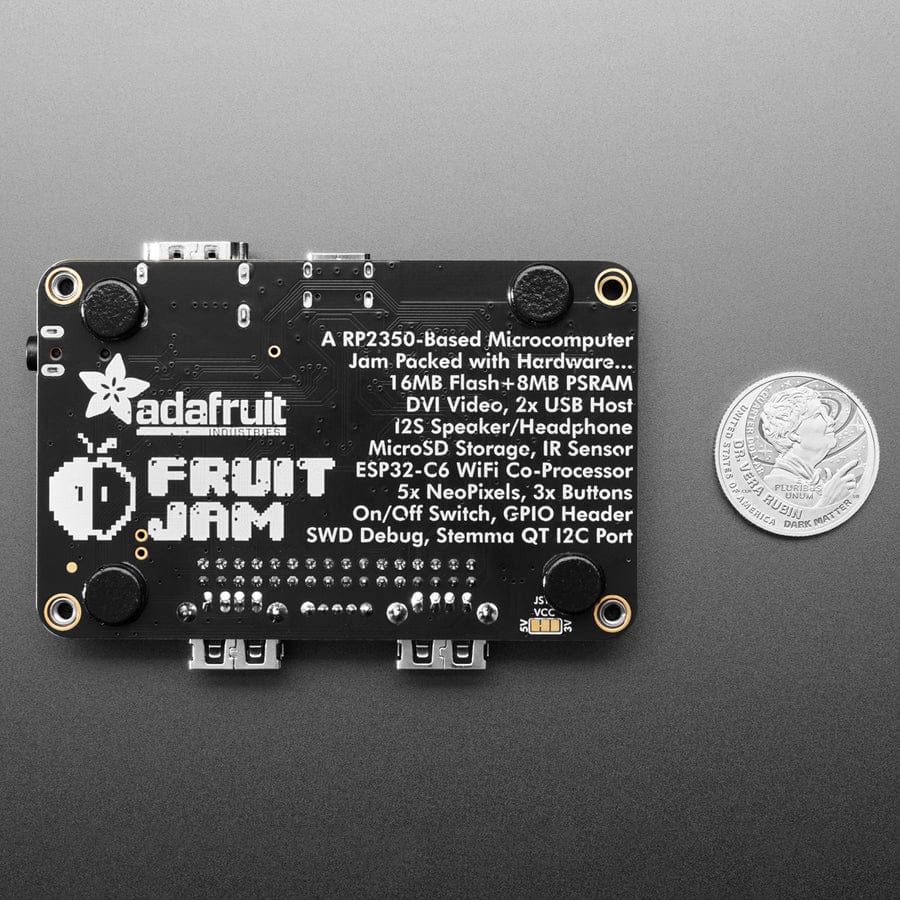
With the extra pins of the QFN-80 RP2350B, we're able to jam a huge amount of hardware into this shape:

  • RP2350B dual 150MHz Cortex M33 microcontroller
  • PicoProbe debug port
  • 16 MB Flash + 8 MB PSRAM - the PSRAM will help when we want do do things like run emulations that we need to store in fast RAM access, and also let us use the main SRAM as the DVI video buffer.
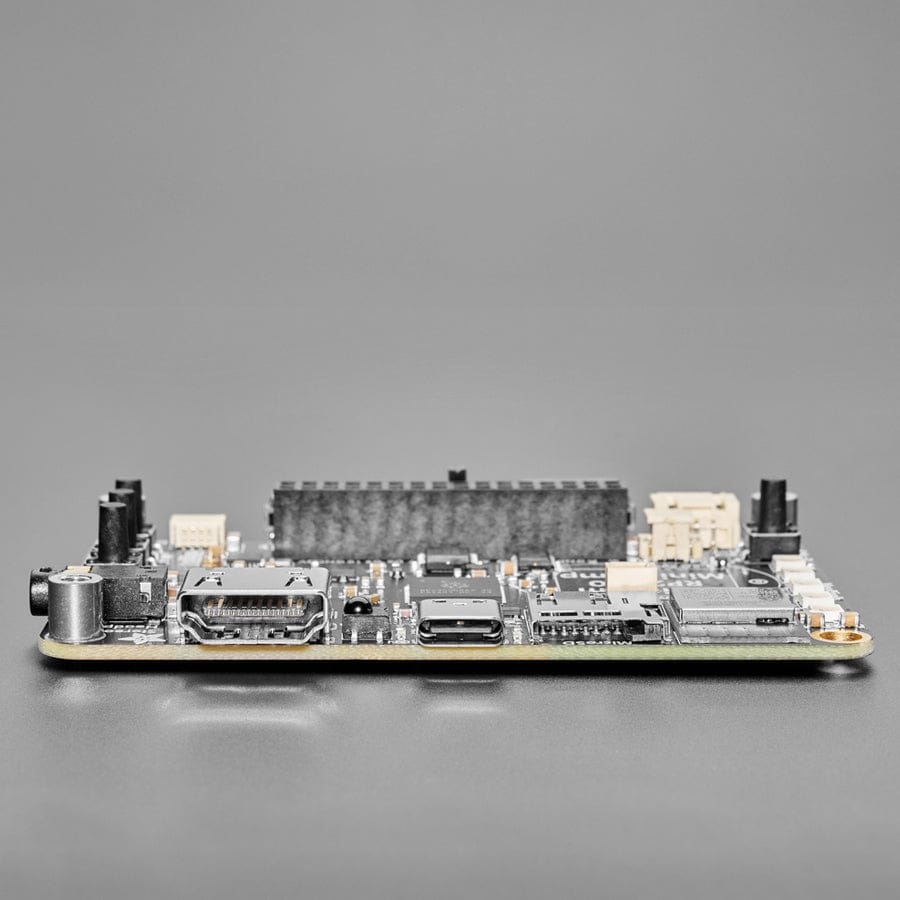
  • USB type C for bootloading/USB client
  • Micro SD card with SPI or SDIO
  • DVI output on the HSTX port
  • I2S stereo headphone + mono speaker via the TLV320DAC3100
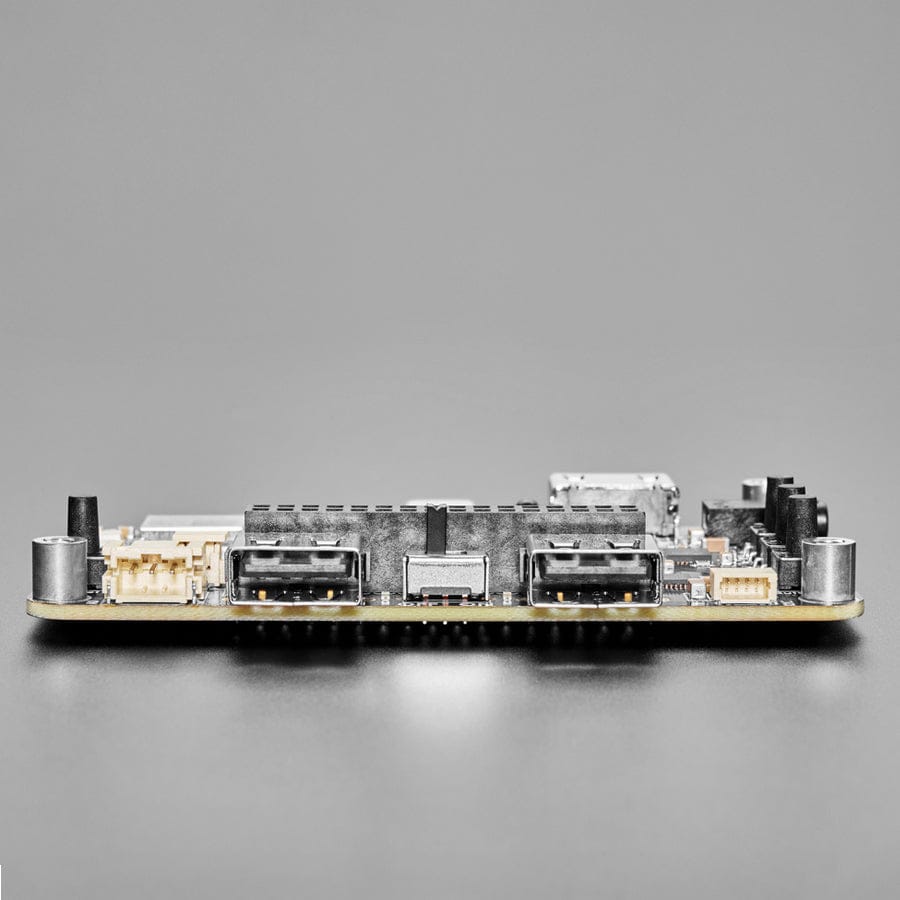
  • 2-port USB type A hub for both keyboard and mouse or game controllers
  • ESP32-C6 for WiFi / Internet connectivity
  • Chunky on-off switch
  • Stemma QT I2C
  • Stemma classic JST 3-pin
  • 5x NeoPixels
  • 3x tactile switches
  • 16-pin socket header with 10 A/D GPIO + 5V/3V/GND power pins.

Revision History

  • As of Oct 8th, 2025 – The PCB has been updated with a new A4 Chip.

Resources

Package Contents

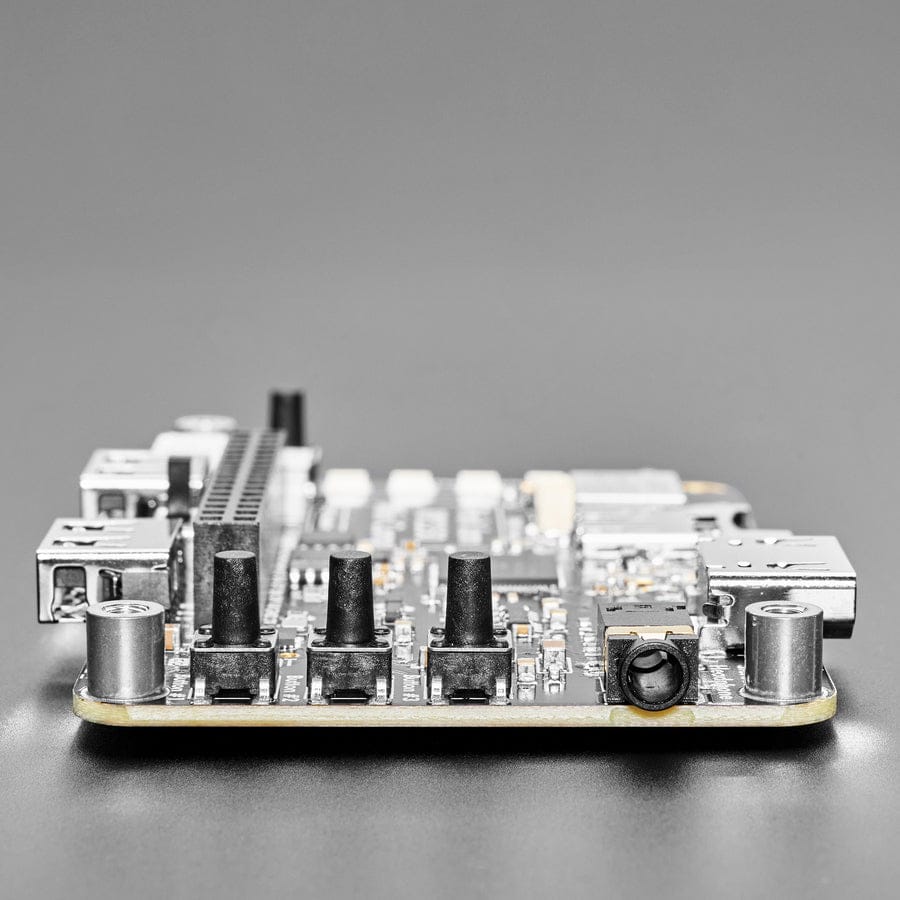
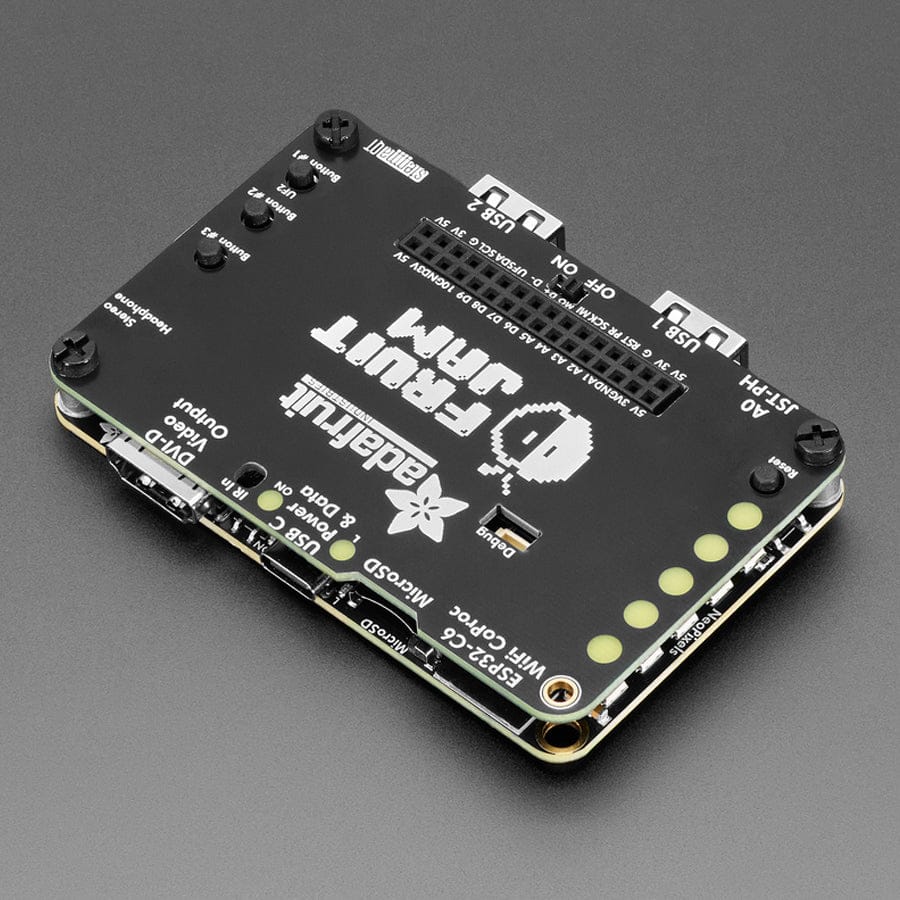
  • Assembled and tested Fruit Jam PCB assembly
  • Top plate to protect your board
  • 3x nylon screws to attach the top plate (we don't have a metal standoff next to the ESP32-C6 antenna)
  • Mini speaker
  • Bumper kit

Payment & Accreditations

Payment methods
Visa Mastercard Maestro PayPal Amazon Klarna Bitcoin

Your payment information is processed securely. We do not store credit card details nor have access to your credit card information.

Accreditations