Adafruit ENS161 MOX Gas Sensor
Price:
Sale price
£21
Stock:
Quantity:
Login / Signup
Cart
Your cart is empty


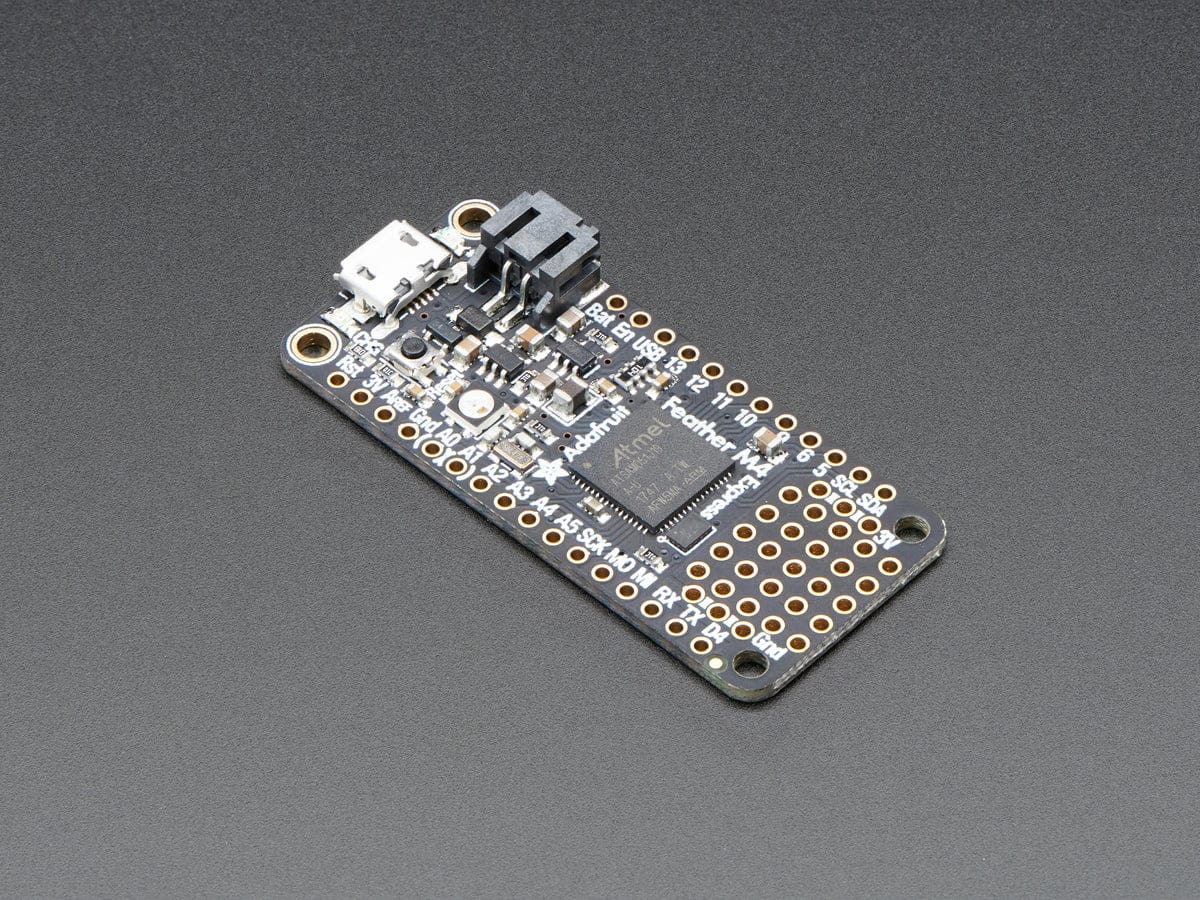
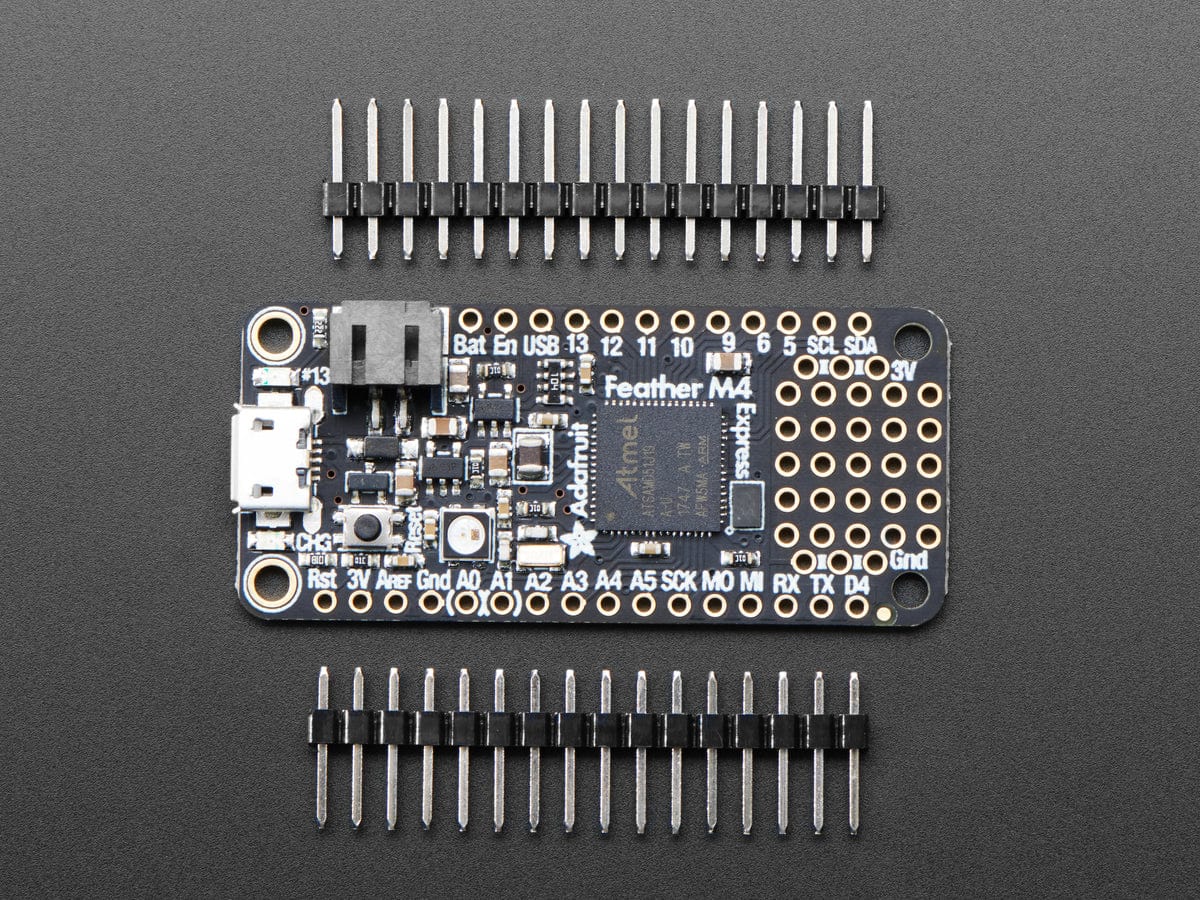
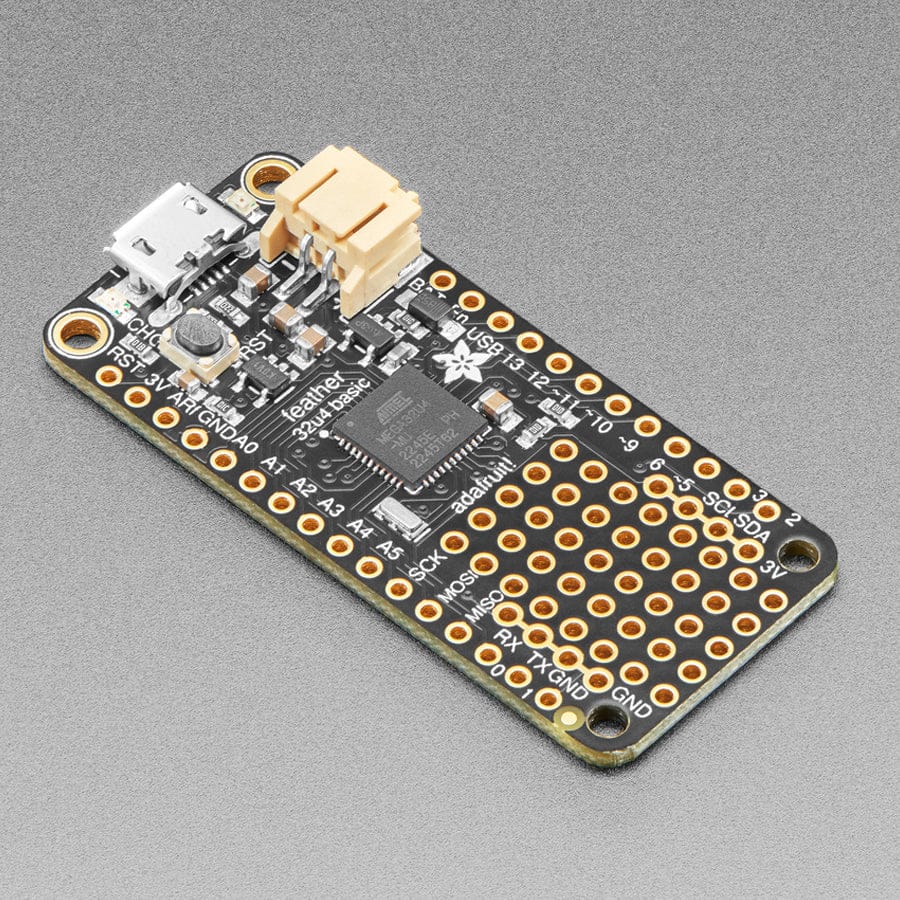
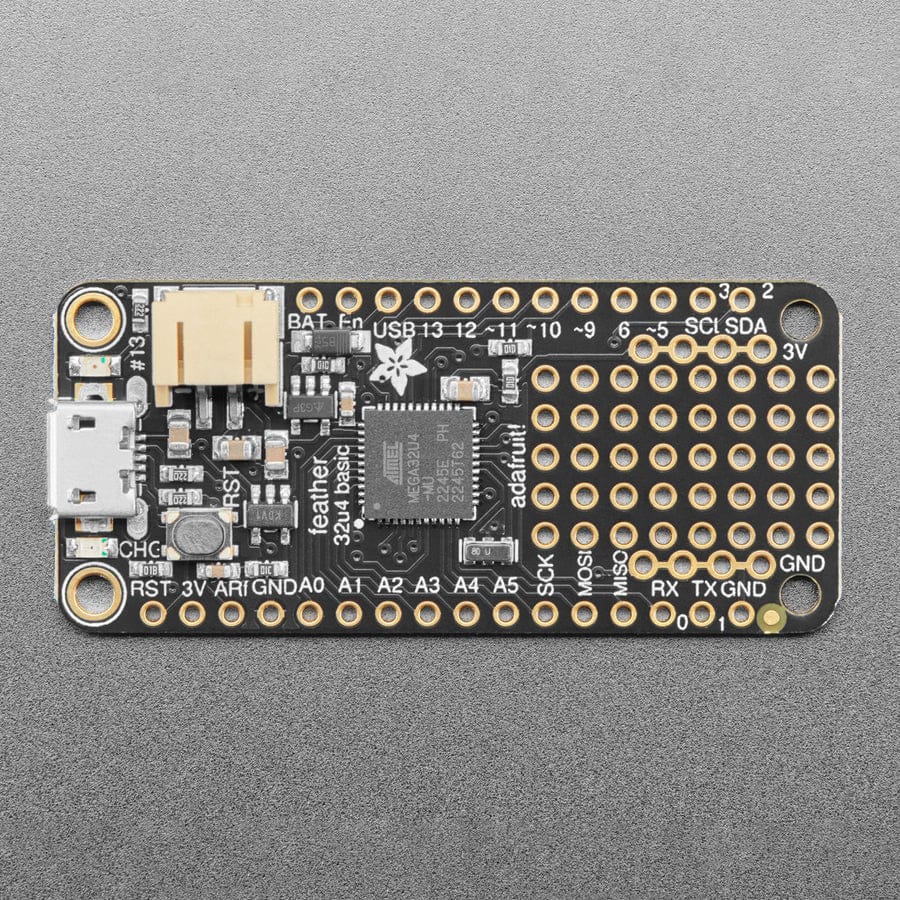
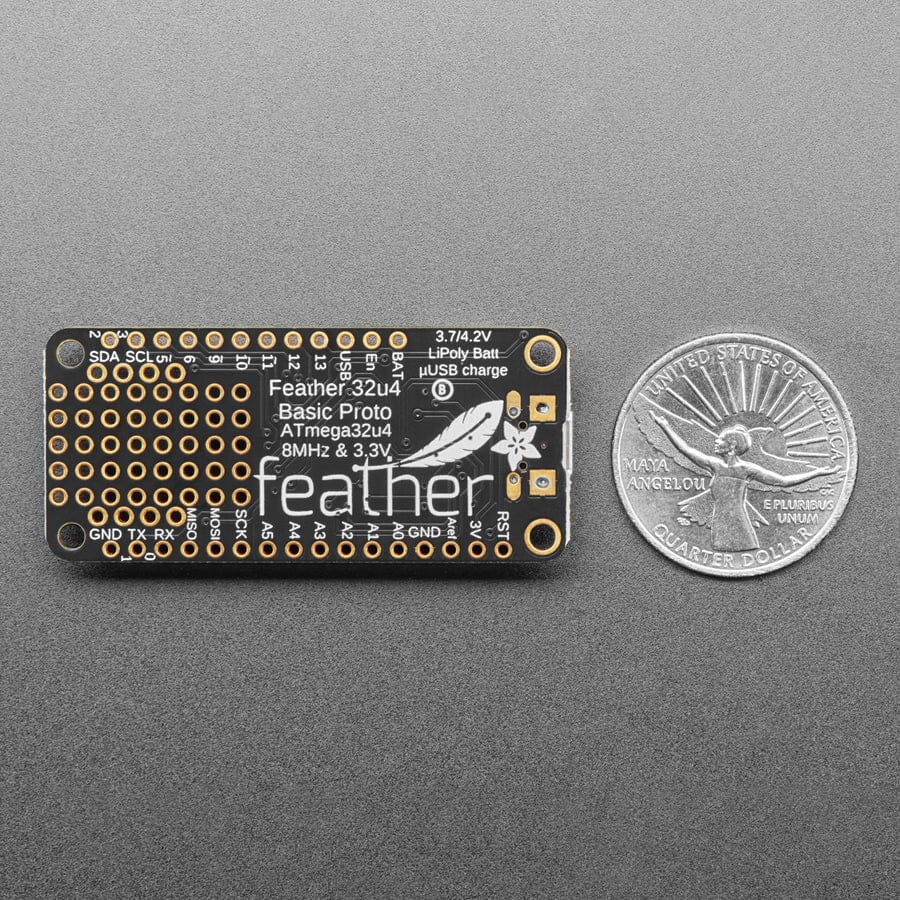
Adafruit Feather 32u4 Basic Proto is a lightweight, battery-ready development board with built-in USB, native HID support, and onboard prototyping space—ideal for portable and wearable Arduino projects.
Feather is Adafruit’s lightweight, portable development board family—thin, powerful, and designed to be easy to take anywhere. The Feather 32u4 Basic Proto follows that philosophy closely, combining a capable microcontroller with built-in battery support and extra prototyping space.
At its core is the ATmega32u4, running at 8 MHz with 3.3 V logic, the same proven setup used on the Flora. The chip provides 32 KB of flash and 2 KB of RAM, and thanks to native USB support, it doesn’t need a separate USB-to-serial converter. This means it can be programmed and debugged directly over USB and can also act as a USB HID device, such as a keyboard, mouse, or MIDI controller. It’s fully supported by the Arduino IDE and works with a wide range of existing sensors and libraries.
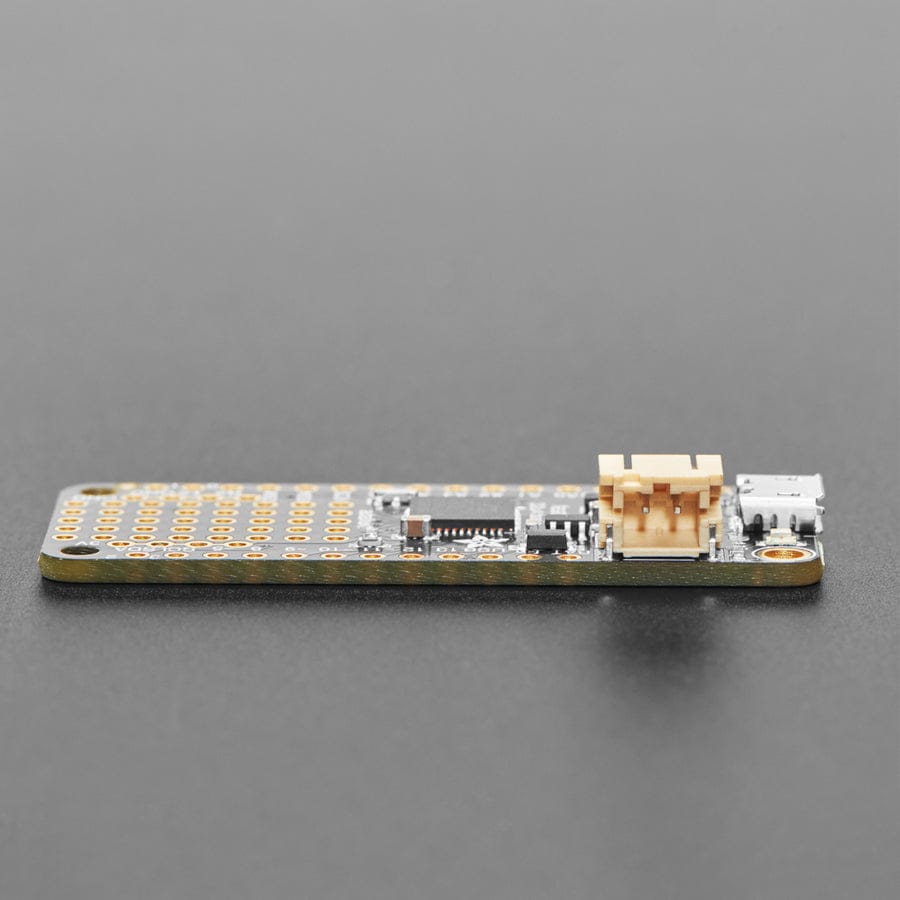
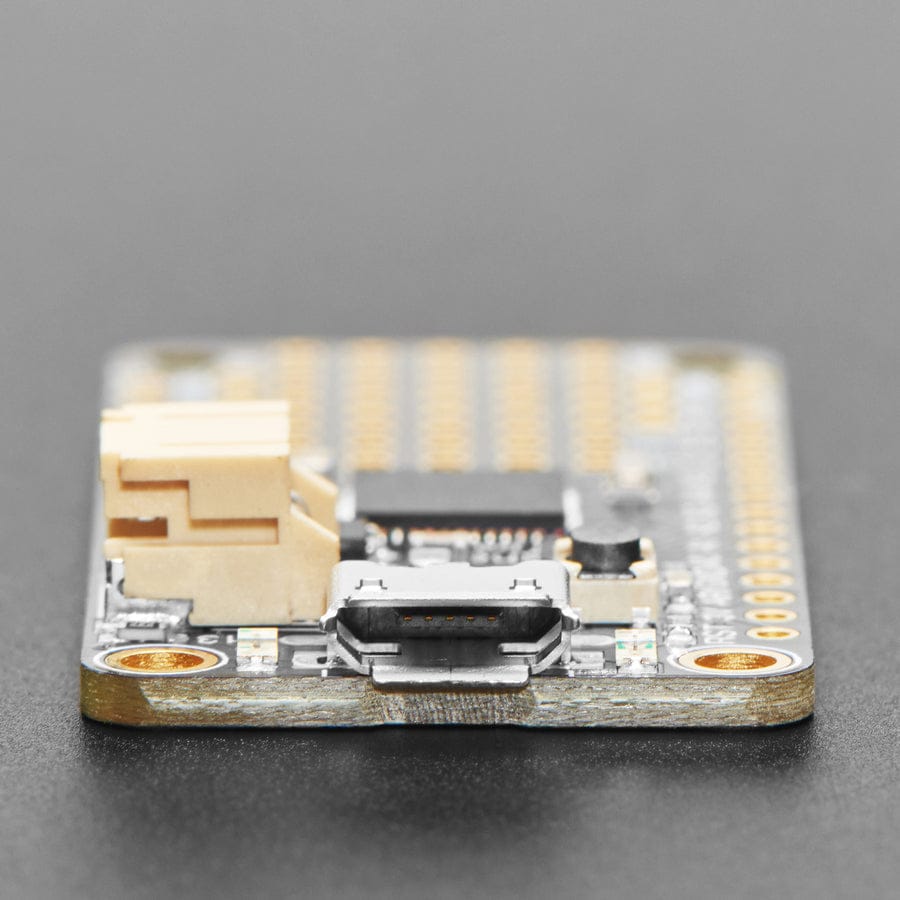
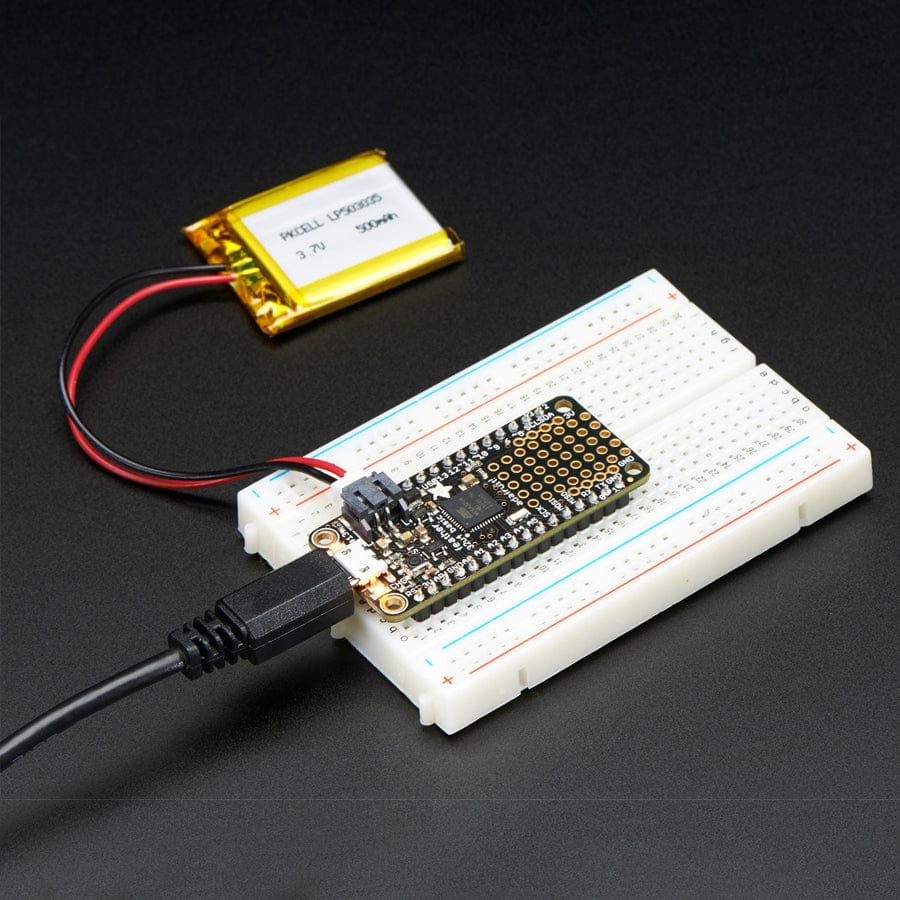
Designed with portable projects in mind, the Feather 32u4 Basic Proto includes a JST connector for 3.7 V LiPo batteries and onboard battery charging. You can run it directly from the micro USB port, from a battery, or seamlessly switch between the two. The battery voltage is connected through a divider to an analogue pin, allowing you to monitor battery level and detect when a recharge is needed.
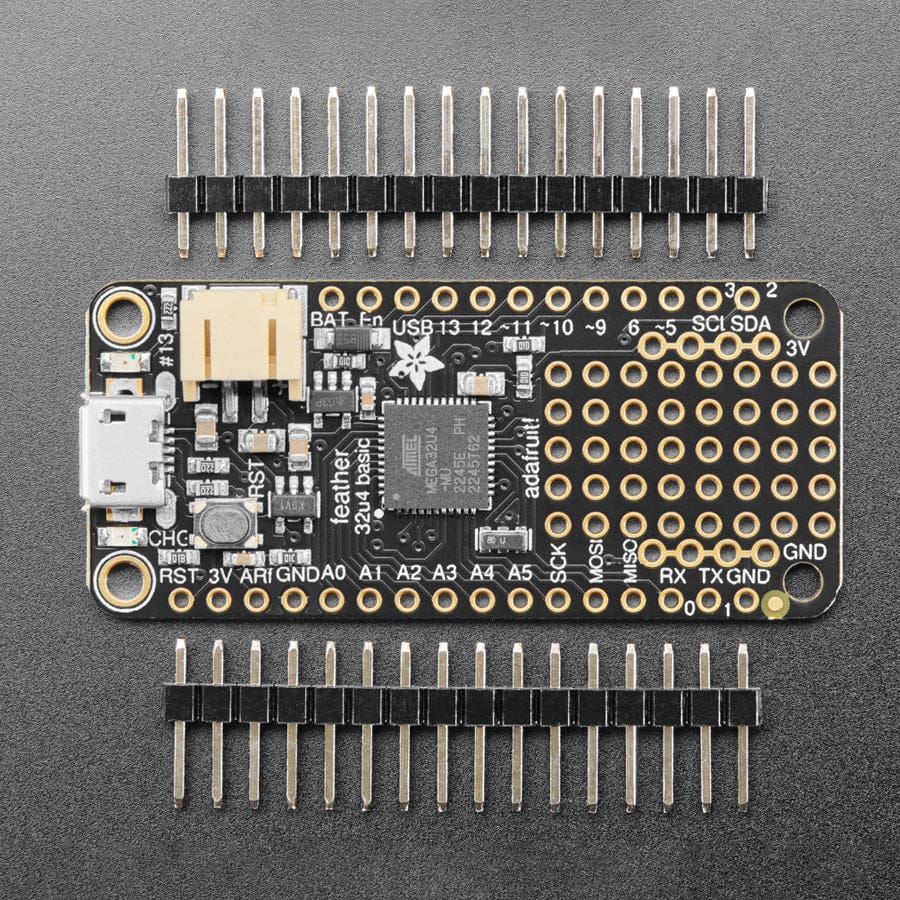
This version also includes a small built-in prototyping area, making it easy to solder on buttons, sensors, or simple circuits without needing a separate breadboard—perfect for compact or wearable projects.
The board ships fully assembled and tested, with a USB bootloader pre-installed for quick setup in the Arduino IDE. Header pins are included but not soldered. LiPo battery and USB cable are not included, though compatible options are available separately.
Your payment information is processed securely. We do not store credit card details nor have access to your credit card information.