Sparkfun Digi X-ON Kit for LoRaWAN®
Price:
Sale price
£456
Stock:
Quantity:
Login / Signup
Cart
Your cart is empty

The SparkFun Digi X-ON Kit for LoRaWAN® provides everything needed to quickly build and deploy an 868MHz LoRaWAN® IoT system, including a Digi HX15 Gateway, SparkFun IoT Node, environmental sensor board, and cloud connectivity for rapid long-range wireless sensor projects.
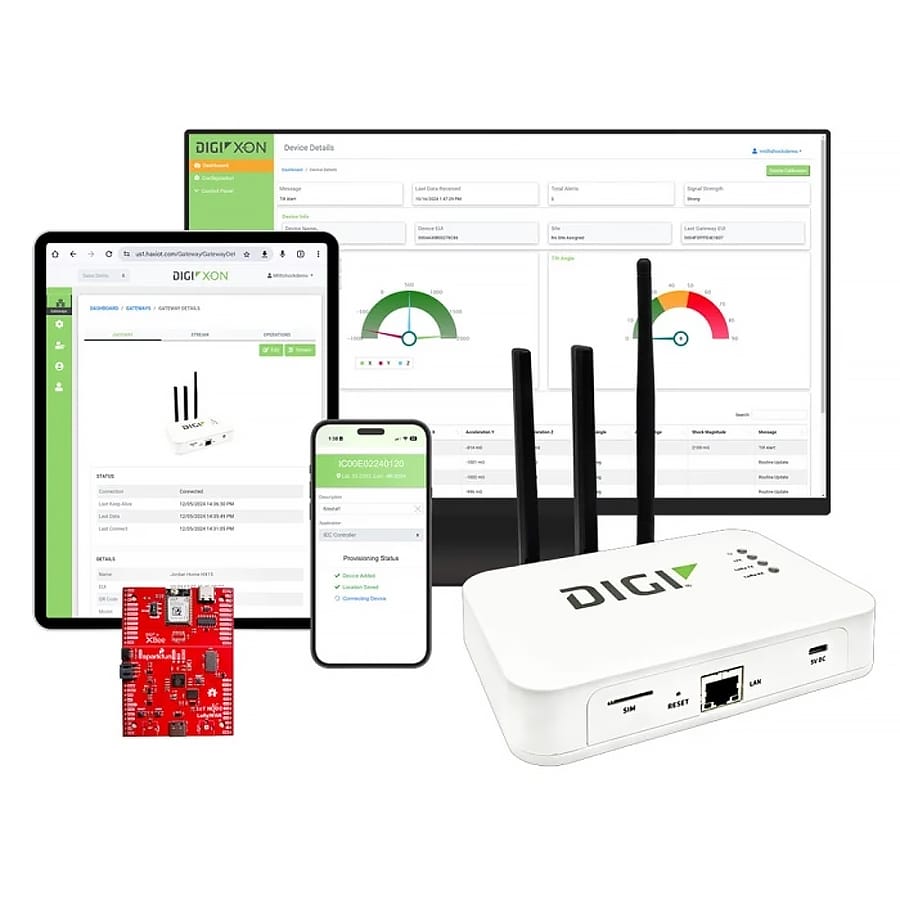
The Sparkfun Digi X-ON Kit for LoRaWAN® (Europe 868MHz version) contains everything you need to get an IoT system up and running within minutes. Containing an HX15 Gateway from Digi, the innovative SparkFun IoT Node for LoRaWAN® board, and SparkFun's dual-action ENS160/BME280 (Qwiic) Environmental Combo Board, this kit takes the often convoluted and configuration-intensive effort to set up a LoRaWAN®-based IoT Device and makes it a breeze to get set up and connected.
The kit also includes a free 30-day subscription to Digi X-ON™ device management platform and free cellular connectivity.
Multiplug included, for EU and UK wall sockets.
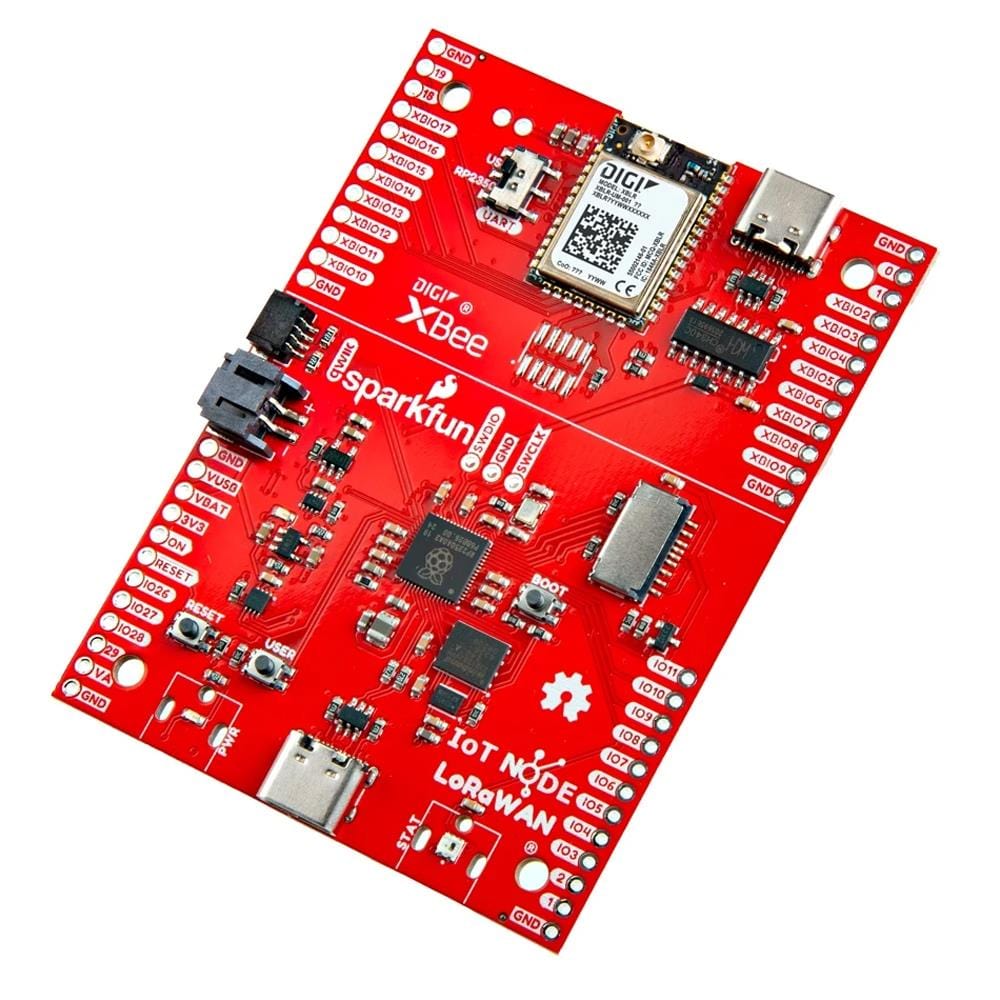
With the integration of Digi X-ON technology, the SparkFun IoT Node for LoRaWAN® board allows the creation and deployment of a LoRaWAN® IoT sensor in minutes.
The SparkFun IoT Node for LoRaWAN® board is shipped with firmware installed that automatically connects to Digi X-ON, detects an attached sensor, and posts data to the X-ON cloud. Configured via a serial console connection, this application allows rapid evaluation and creation of a LoRaWAN® IoT device.
In addition to the pre-installed firmware, full software customization and development are supported with the IoT Node for LoRaWAN® board.
The firmware development for the SparkFun IoT Node for LoRaWAN® board is performed primarily in the Arduino environment and enabled by an Arduino XBee® library from Digi. Combining the easy LoRaWAN® access provided by the Digi library with the wide range of Qwiic sensors available from SparkFun, the possibilities of potential LoRaWAN® IoT sensors are endless.
The pre-installed application is also open source and readily available, enabling rapid customization if desired.
At the heart of the IoT Node for LoRaWAN® board is the RP2350 microprocessor from Raspberry Pi, supporting many development environments, including Arduino, Micropython, and the Raspberry Pi Pico SDK. Besides the capabilities the RP2350 provides, we’ve kitted out the processor with all the goodies your project might require:
The Digi XBee® LR module for LoRaWAN® module is directly connected to a serial port of the RP2350, allowing direct control and access to the LoRaWAN® module via a development library provided by Digi.
The XBee® LR for LoRaWAN® module is the latest LoRaWAN® module from Digi, delivering unmatched operational performance and onboarding simplicity. The Digi XBee® LR uses LoRa™ modulation for Non-Line-of-Sight (NLOS) two-way communications for long-range and high-noise RF environments. Automated connection and two-way device management are a breeze since each module is pre-activated on Digi's X-ON cloud platform.
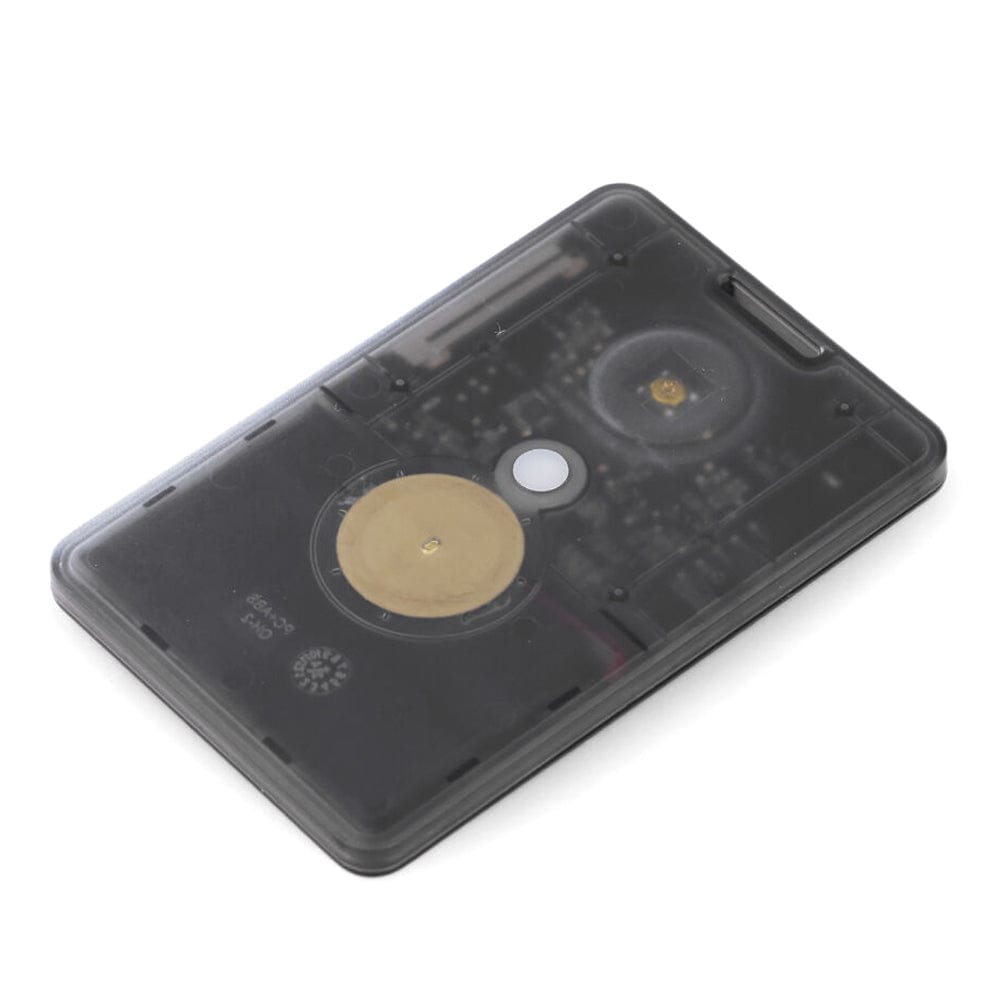
Digi HX15 Gateway for LoRaWAN® (EU)
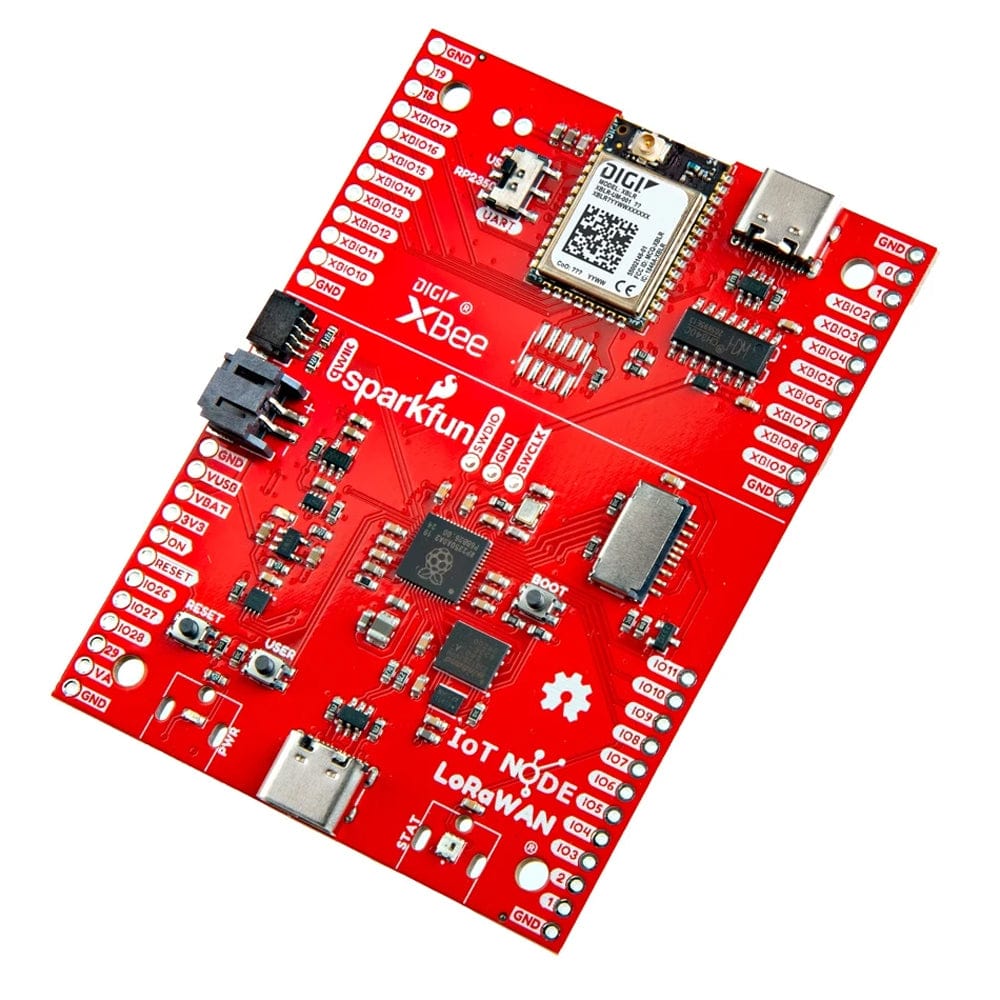
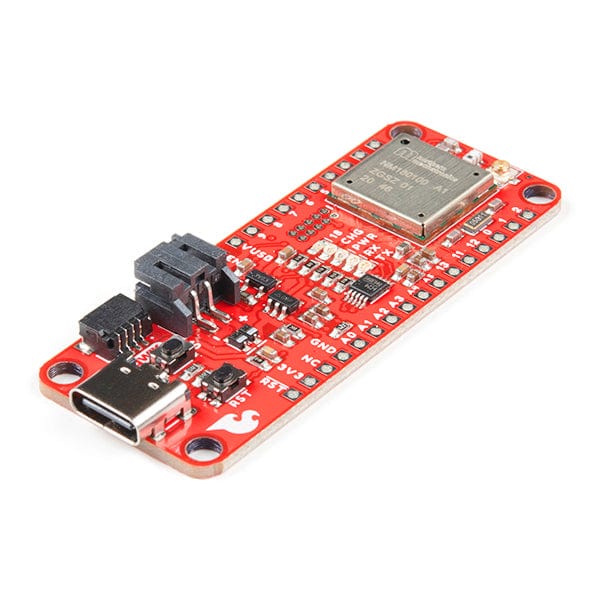
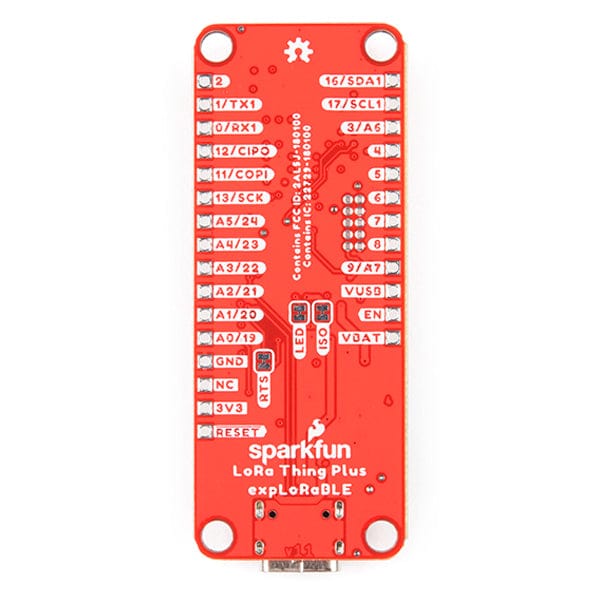
SparkFun IoT Node for LoRaWAN®
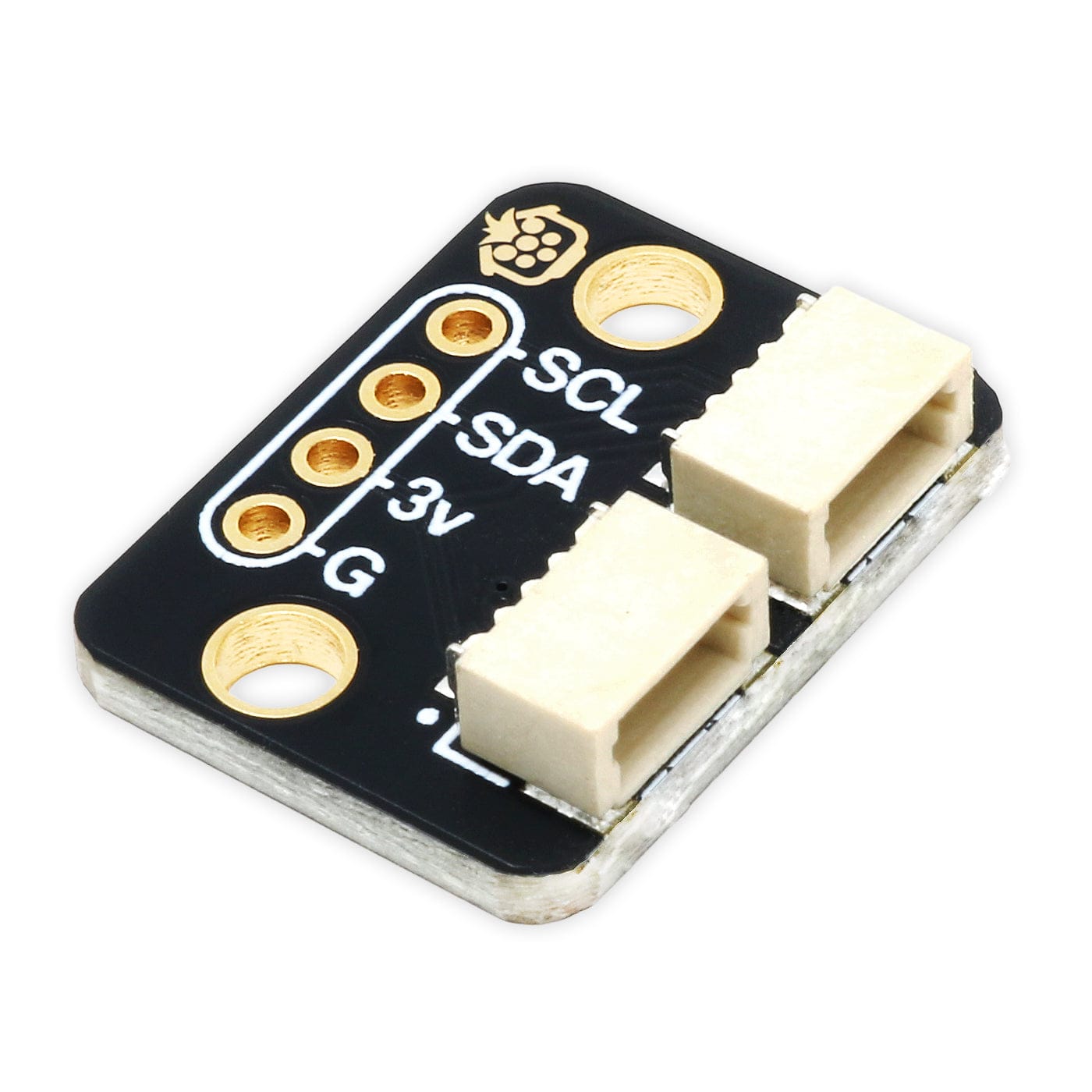
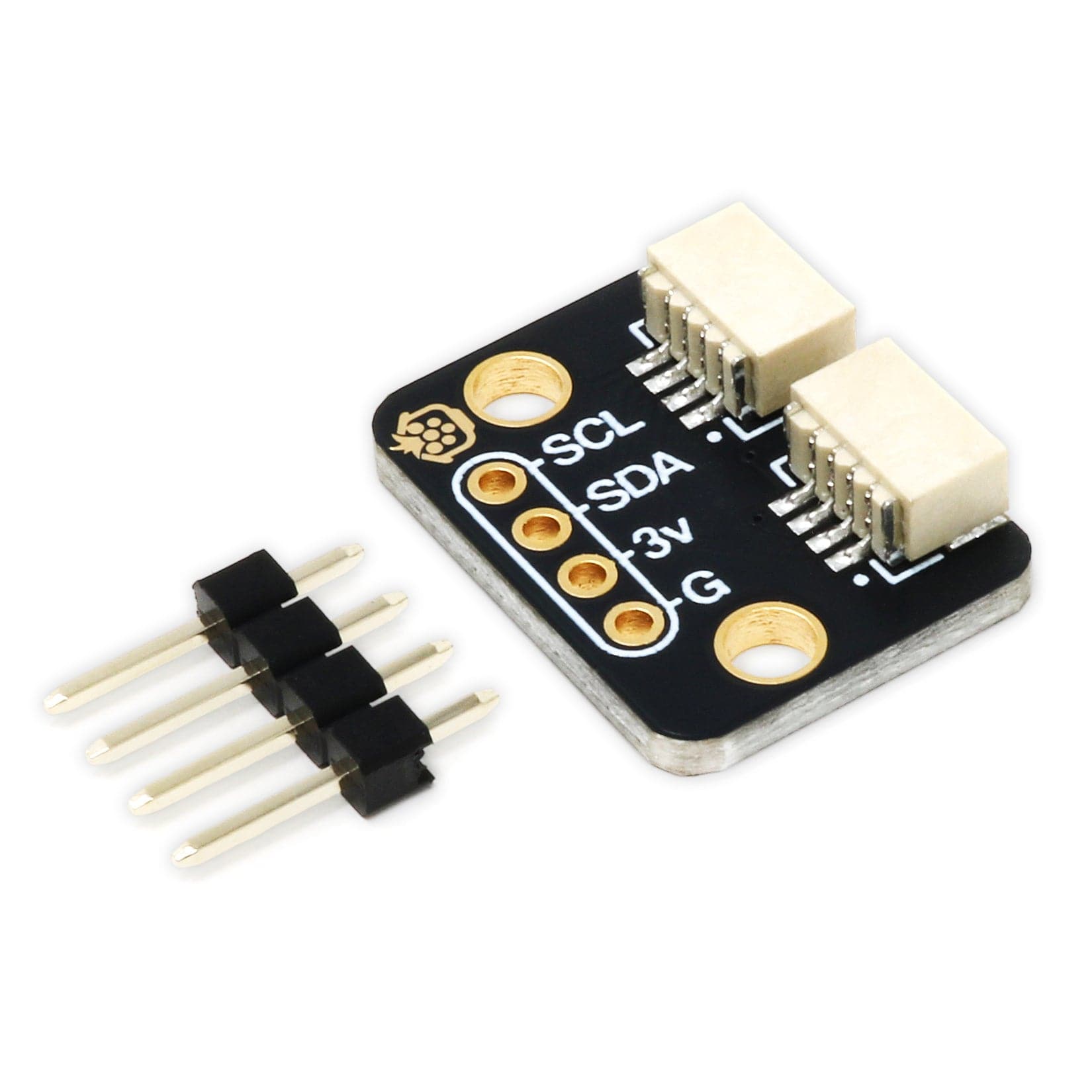
SparkFun Environmental Combo Breakout - ENS160/BME280 (Qwiic)
Your payment information is processed securely. We do not store credit card details nor have access to your credit card information.