MyoWare 2 Muscle Sensor
Price:
Sale price
£41.30
Stock:
Quantity:
Login / Signup
Cart
Your cart is empty


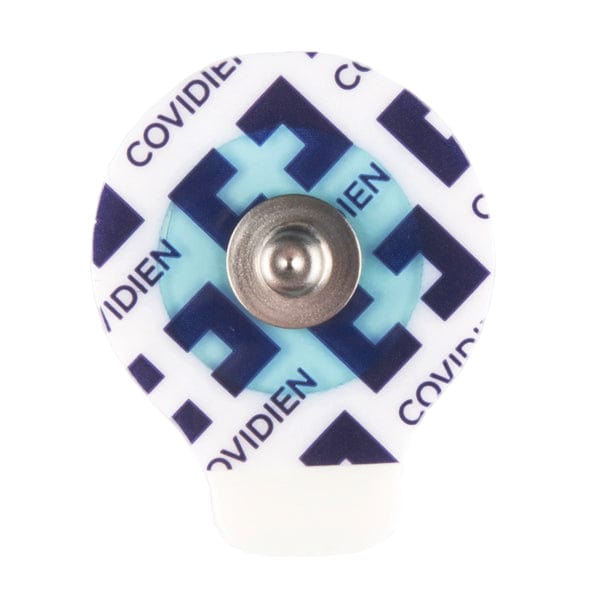
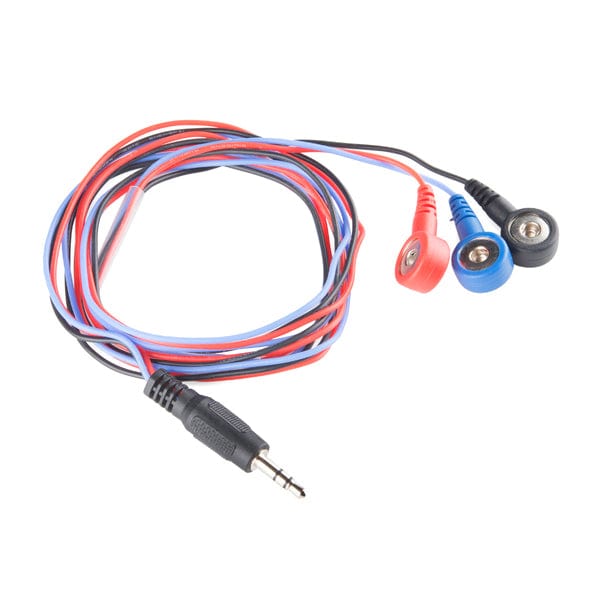
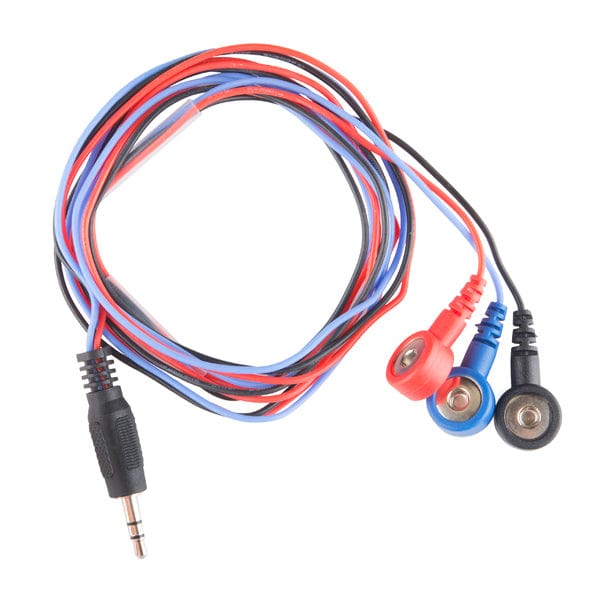
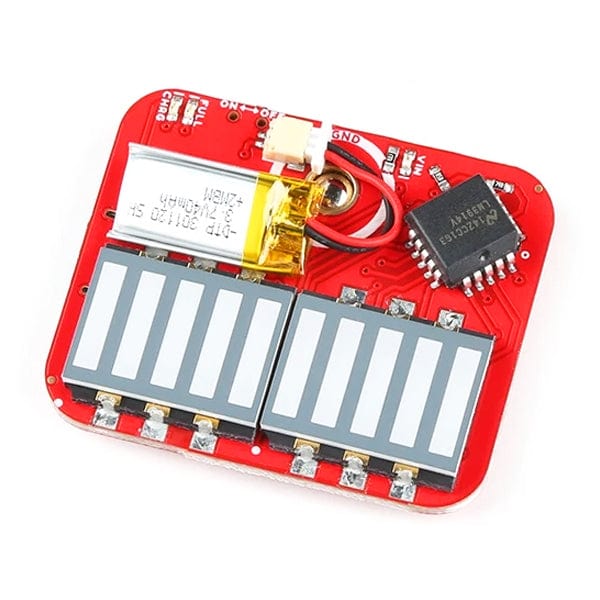
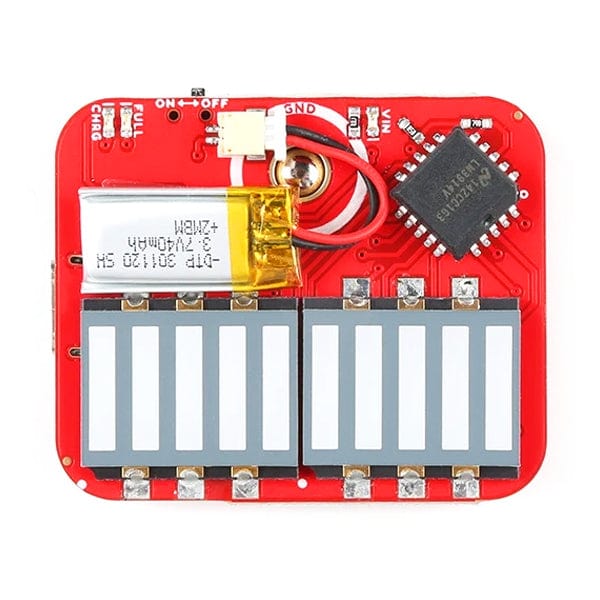
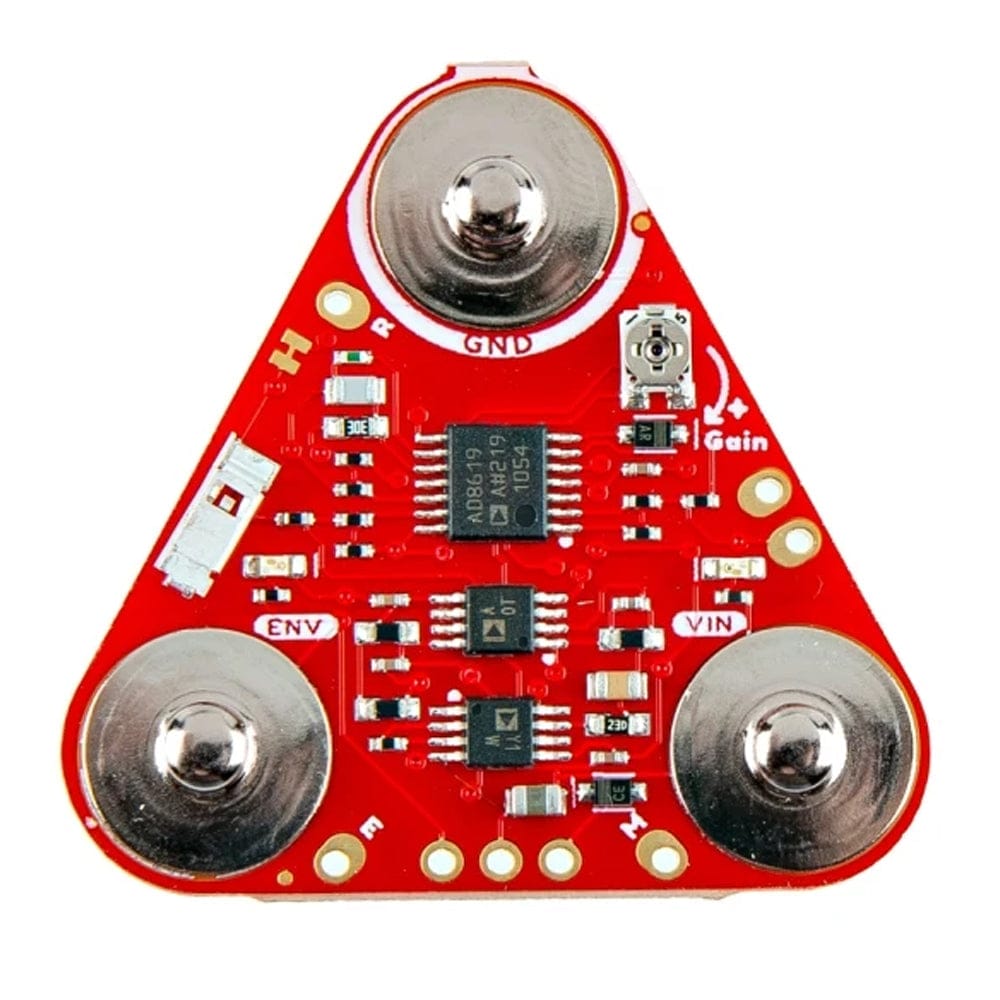
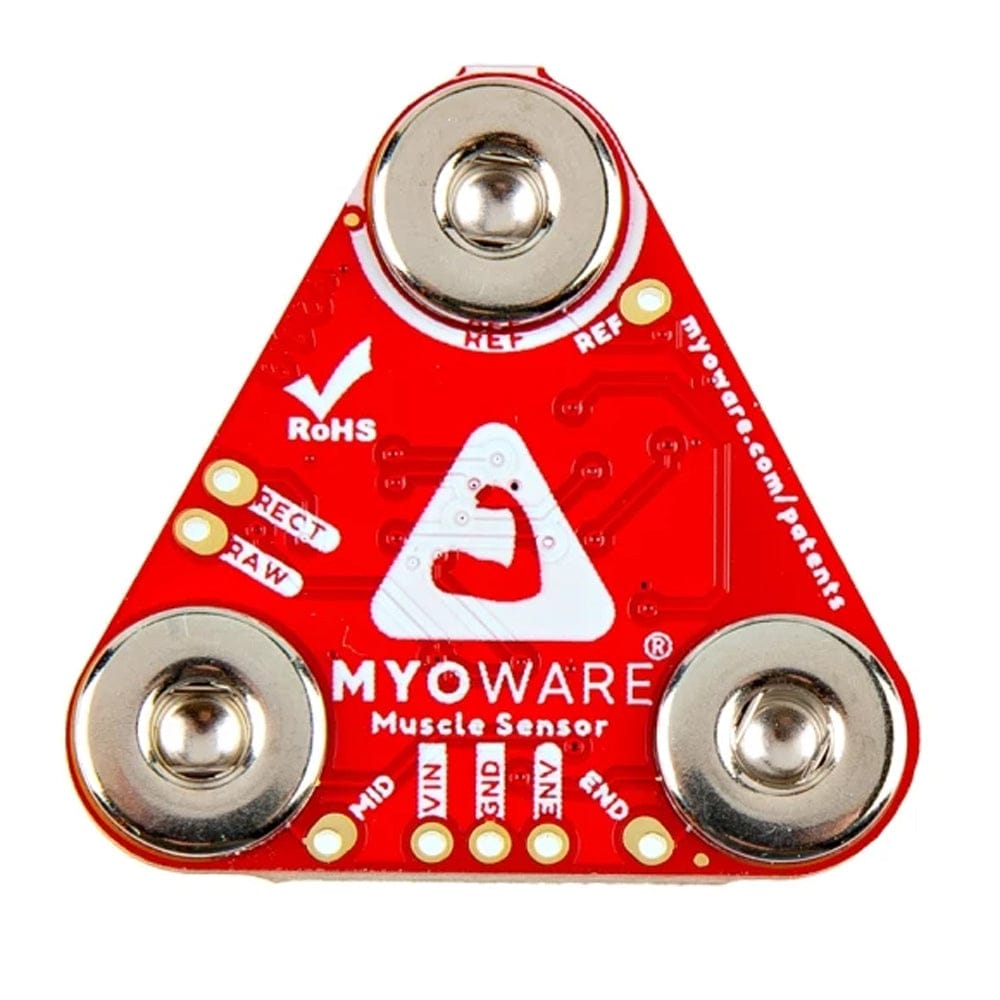
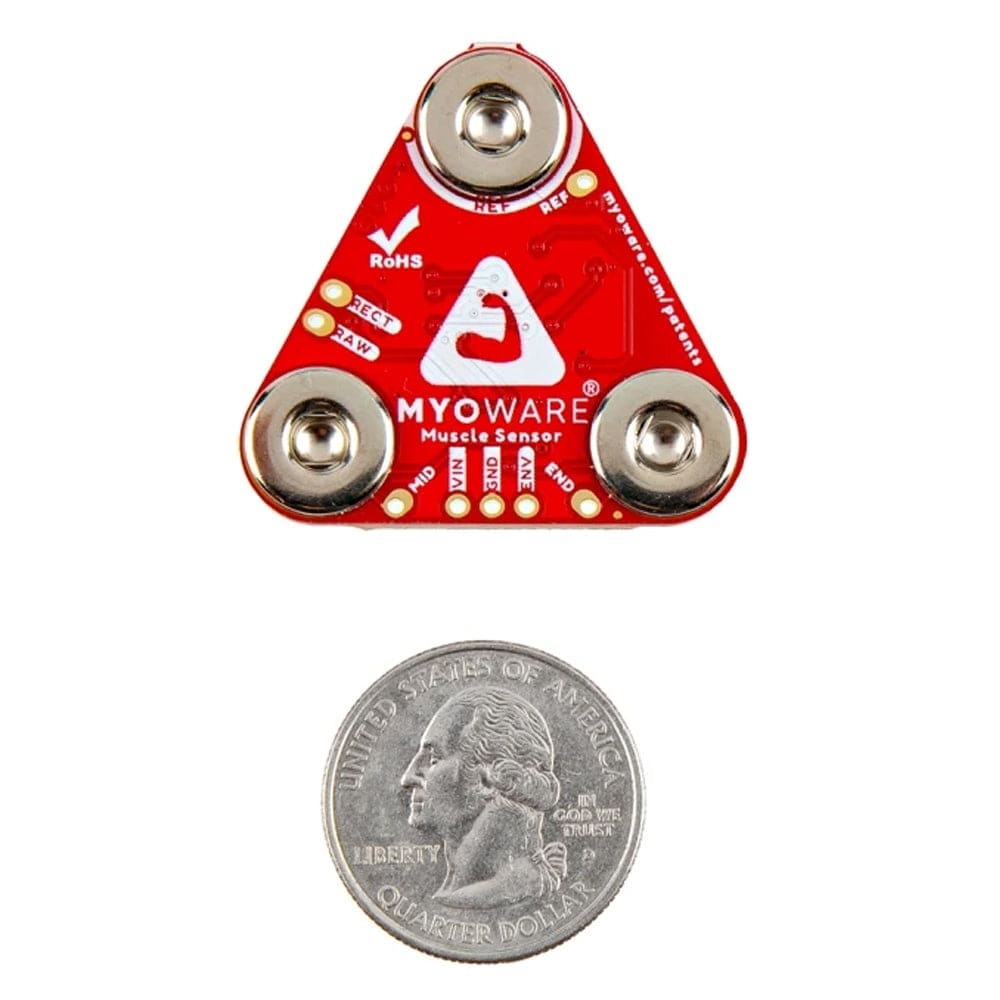
The MyoWare® 2 Muscle Sensor is an Arduino-compatible EMG sensor that reads muscle activity through electrodes (not included) and outputs a 0–VIN signal based on how hard you flex. It supports 3.3–5V power, snap connectors, and stackable shields.
The MyoWare® 2 Muscle Sensor is an Arduino-compatible, all-in-one electromyography (EMG) sensor from Advancer Technologies that lets you control projects using your muscle activity instead of buttons, levers, or joysticks. It has been redesigned from the ground up with a compact, easy-to-use layout and an upgraded chipset to improve performance and reliability. The new snap connector system also makes building with the MyoWare 2 ecosystem much simpler, with no soldering needed for compatible add-ons. Just attach electrodes (not included), read the output voltage, and flex!
MyoWare 2 measures muscle activity using surface EMG (sEMG), detecting the electrical potential generated when your brain tells a muscle to move. As you flex harder, more motor units are recruited, increasing electrical activity. The sensor analyses the muscle signal (filtered and rectified) and outputs a voltage from 0 to VIN, where VIN is the sensor’s power supply voltage, representing how strongly the muscle is being flexed.
It also improves resistance to ground loops that can be caused by wall-powered setups or noisy power supplies, such as some switching USB supplies. The board supports a single supply voltage of +3.3V to +5V, includes three output modes, reverse polarity protected power pins, and indicator LEDs.
Designed with wearables in mind, the sensor allows biomedical pads to attach directly to the board to reduce the need for extra cables. The snap connector system also makes it easy to stack compatible shields, such as the Cable, Power, and LED shields, to expand its functionality. The top connectors provide power and the EMG envelope output, while the bottom connectors link to the input electrodes.
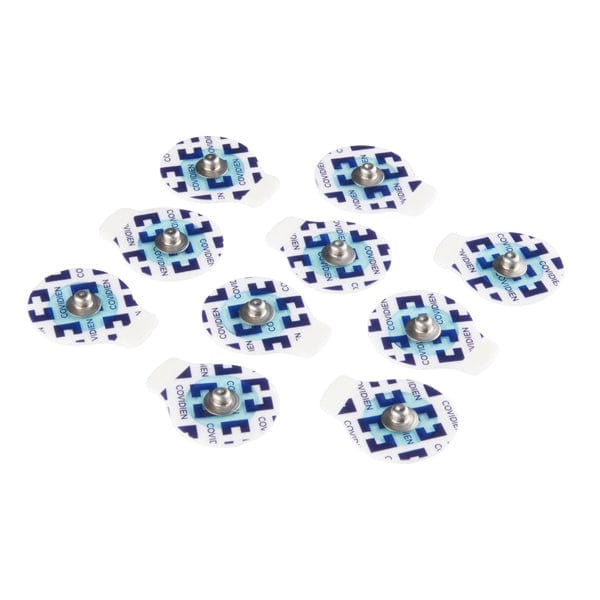
EMG sensing has long been used in medical research, but it’s now widely used in creative control systems too — including video games, robotics, and prosthetics. Biomedical sensor pads are sold separately and can be found here.
Your payment information is processed securely. We do not store credit card details nor have access to your credit card information.