LD2410C 24GHz Human Presence Sensor
Price:
Sale price
£5.50
Stock:
Quantity:
Login / Signup
Cart
Your cart is empty


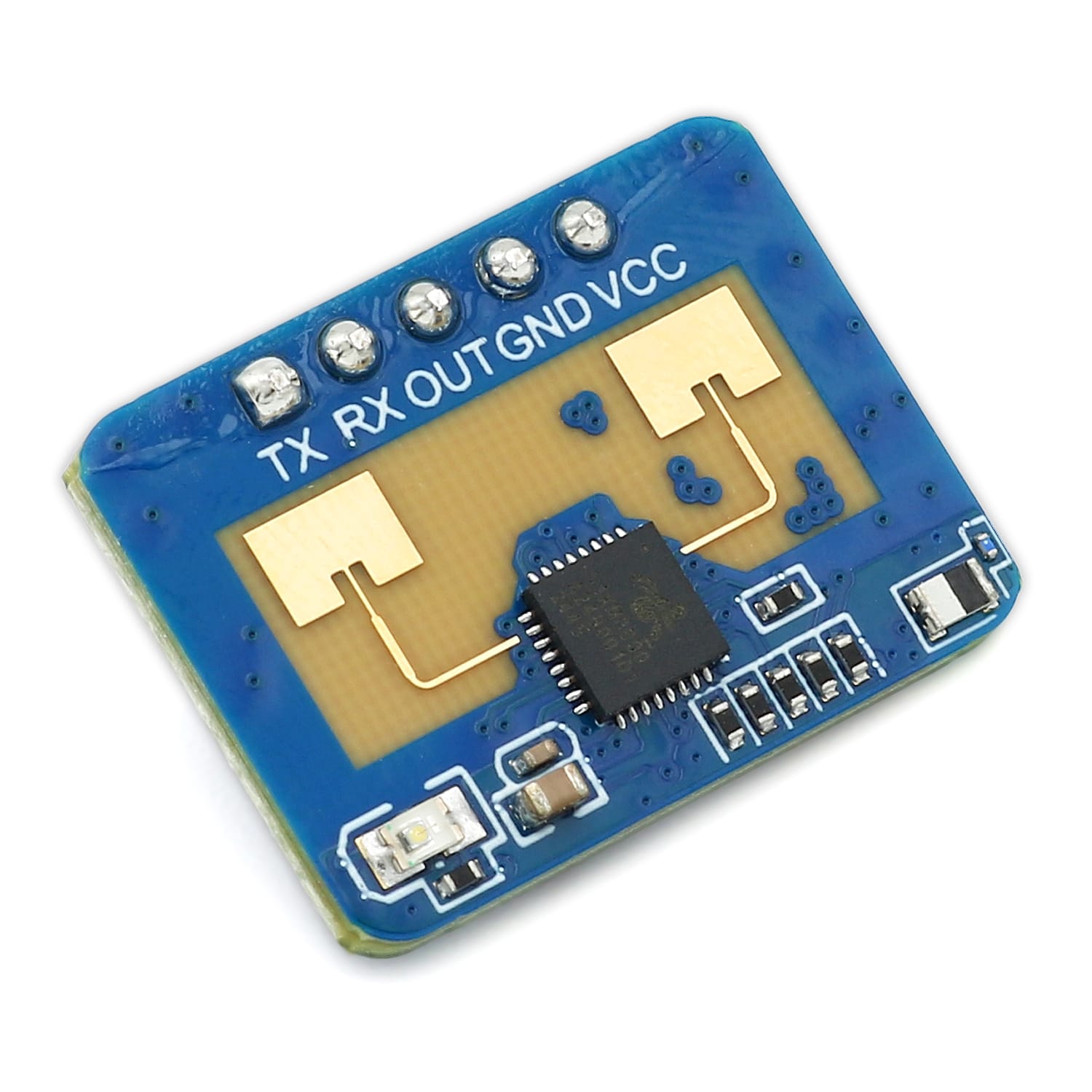
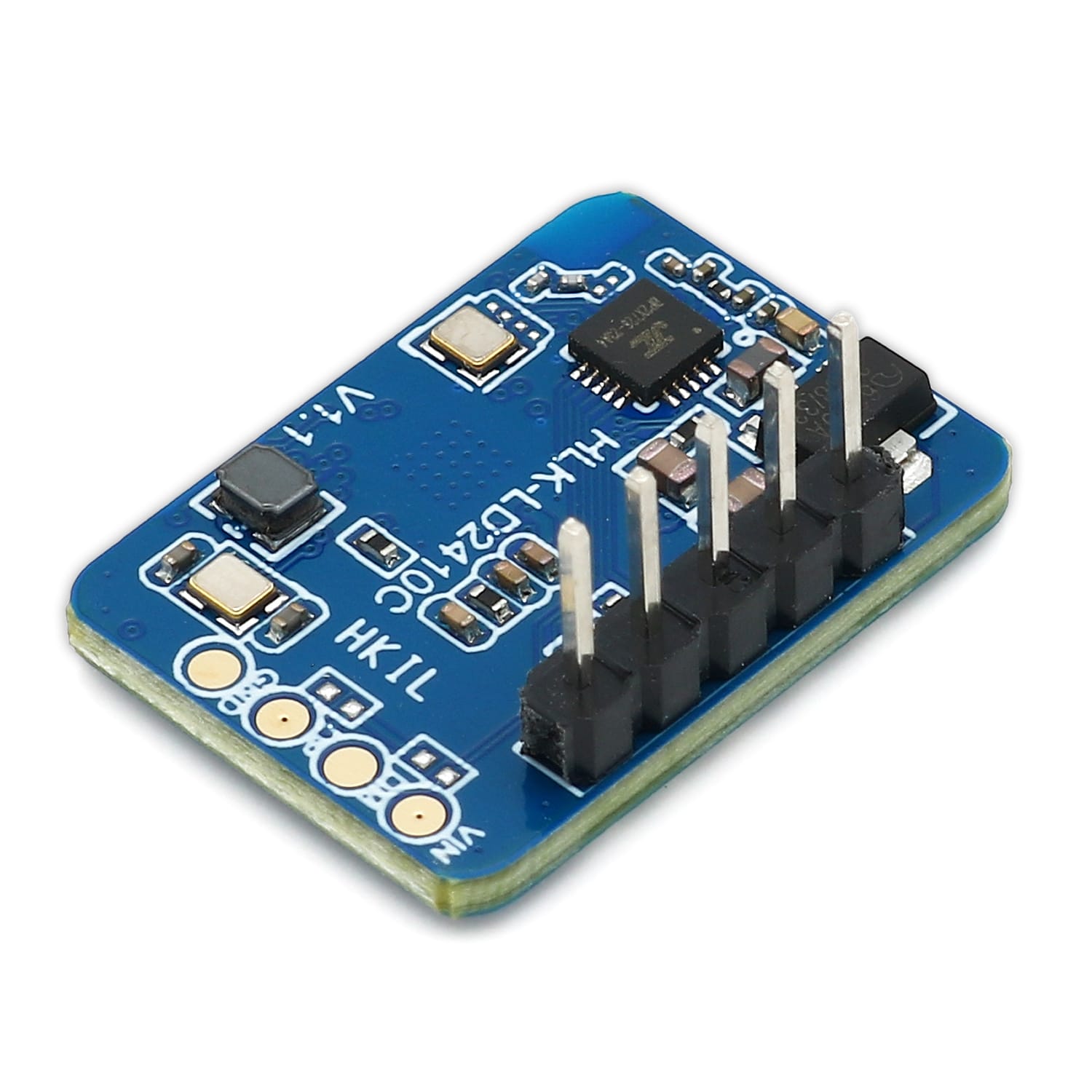
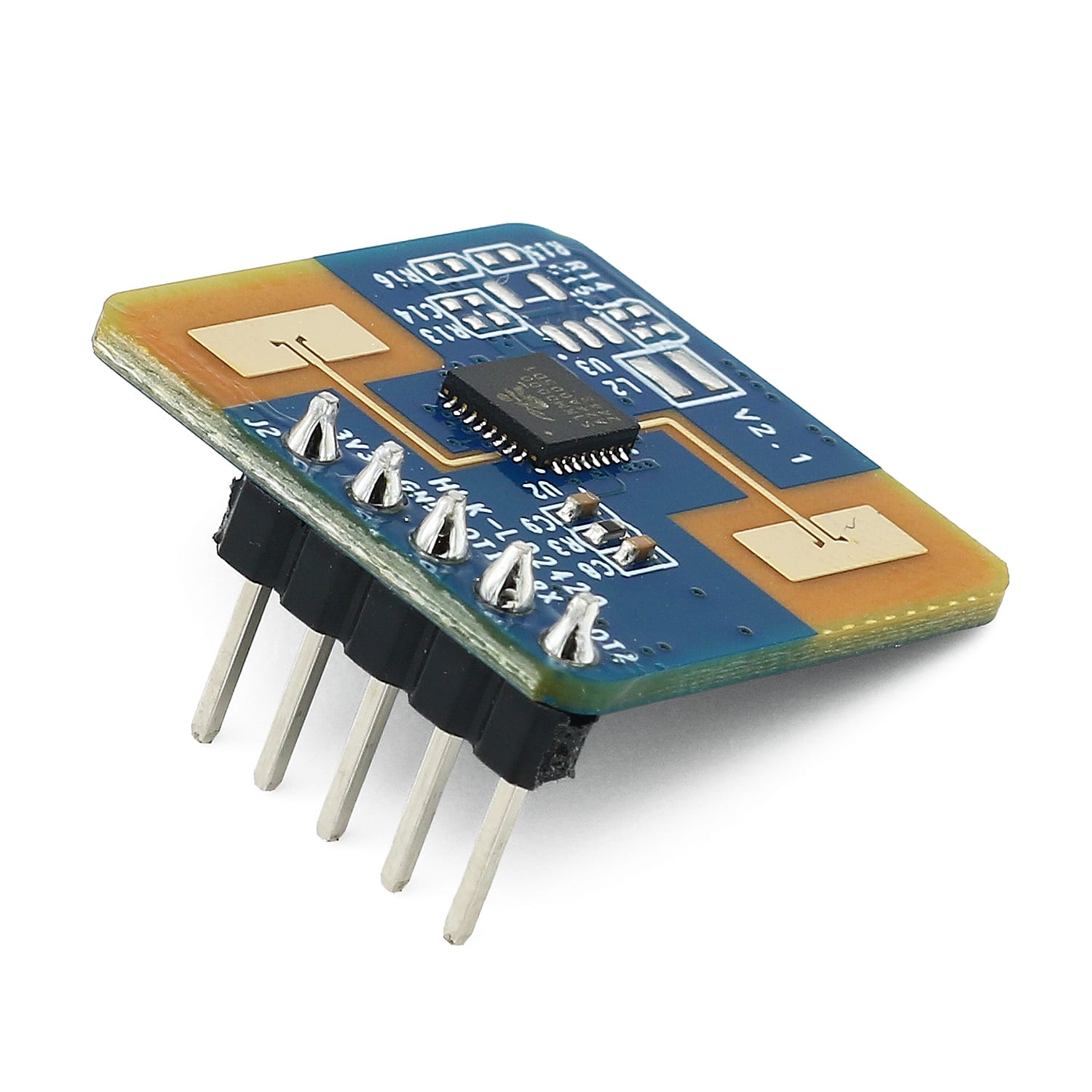
This compact LD2410C 24GHz radar module detects whether a person is present and/or moving within an indoor space. Unlike conventional PIR motion sensors that use body heat for detection, the 24GHz LD2410C uses 24GHz radar to detect both obvious movement and the smaller movements made by someone sitting or standing relatively still.
The module uses the LD2410-compatible interface and communication protocol and can be used with software such as Nick Reynolds' LD2410 Arduino library and the ESPHome LD2410 component. It provides a simple digital presence output, along with UART data including moving and stationary target states, approximate distance and signal energy. It also supports Bluetooth monitoring and configuration using compatible applications such as HLKRadarTool (Android / iOS).
Unlike PIR, radar can also detect through some non-metallic materials and may respond to movement beyond the intended area. Careful positioning and sensitivity adjustment may be needed to prevent detections through thin walls, doors or enclosures.
It's ideal for home automation occupancy detection, automatic lighting, display wake-up systems and other projects that need to distinguish between an empty room and a person who is present but not moving much.
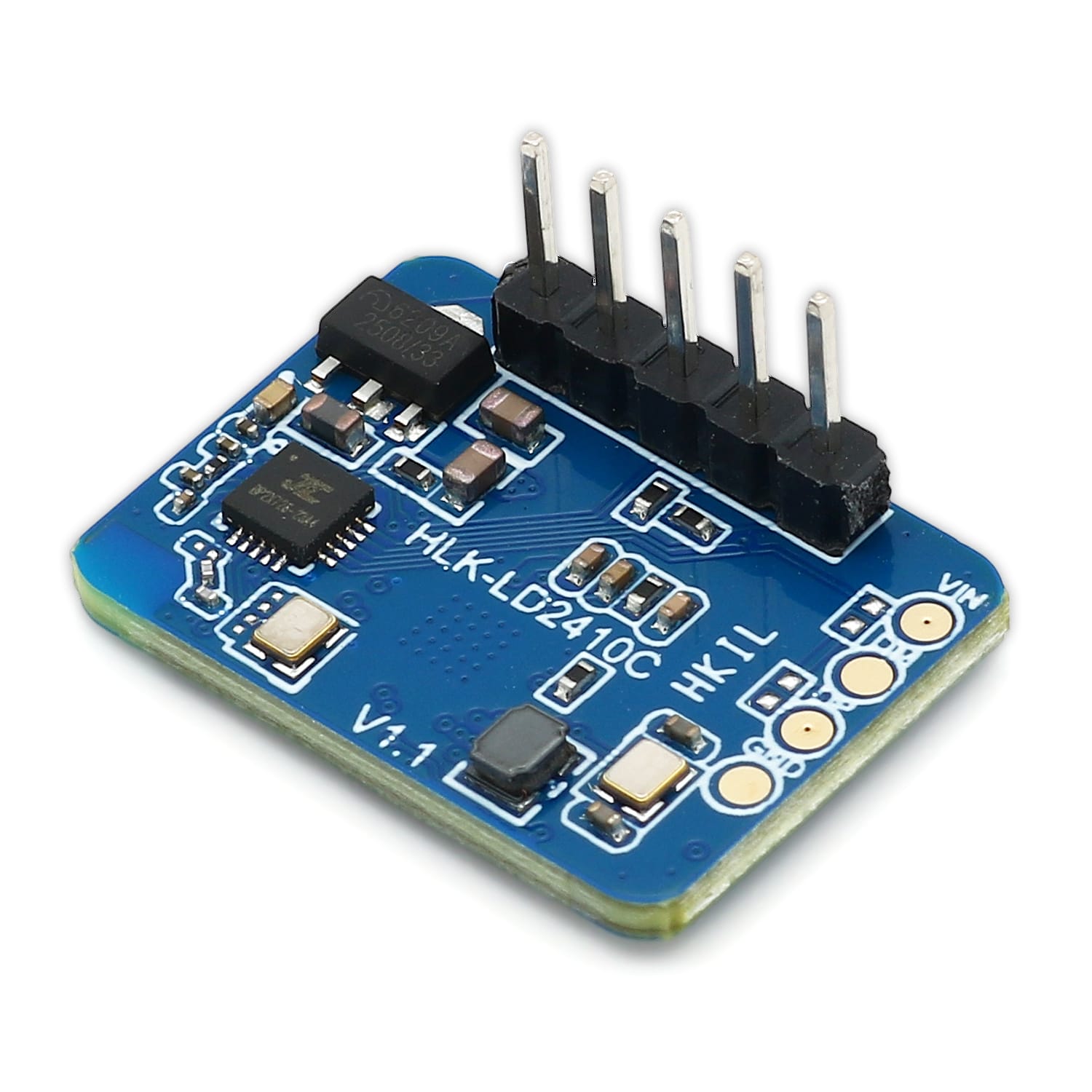
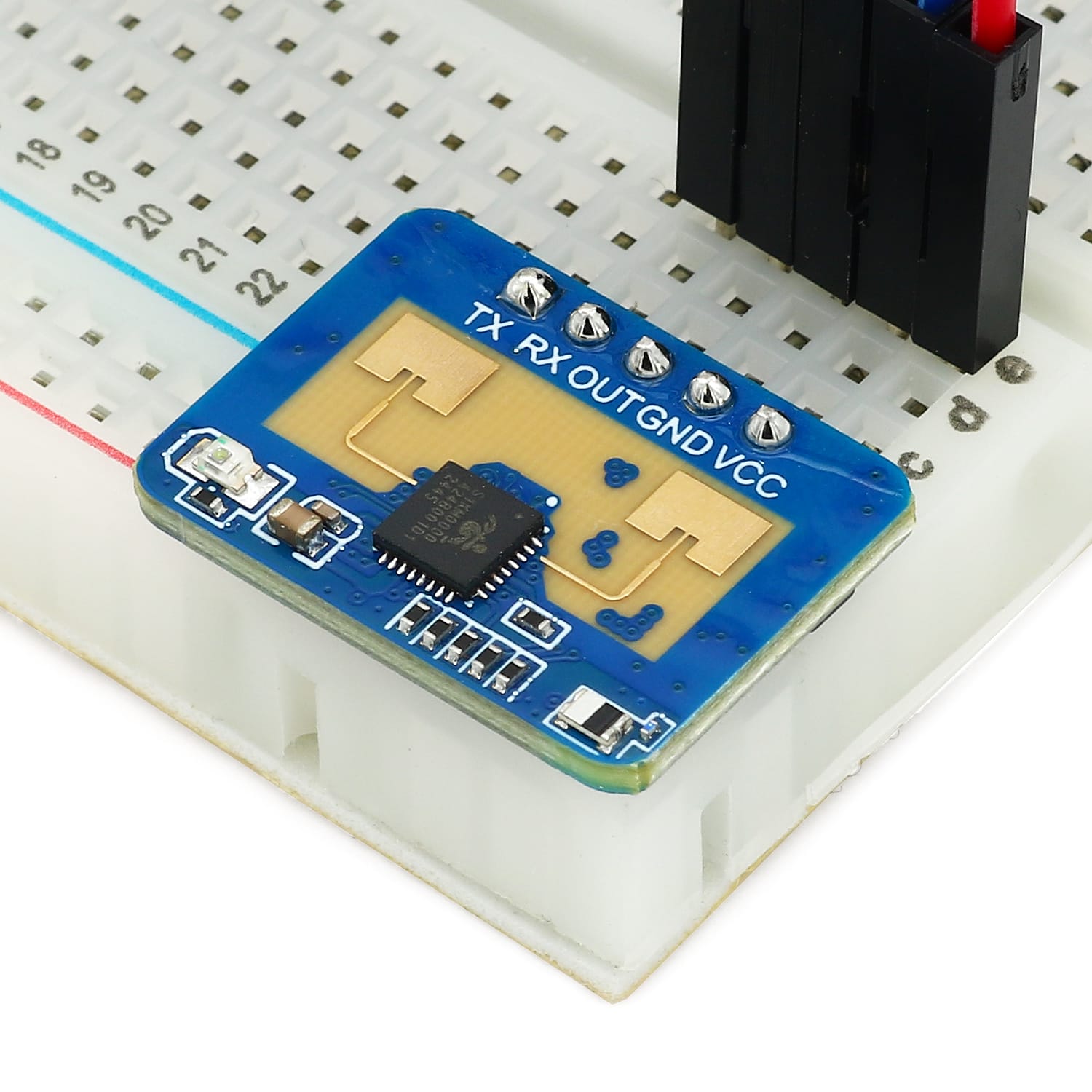
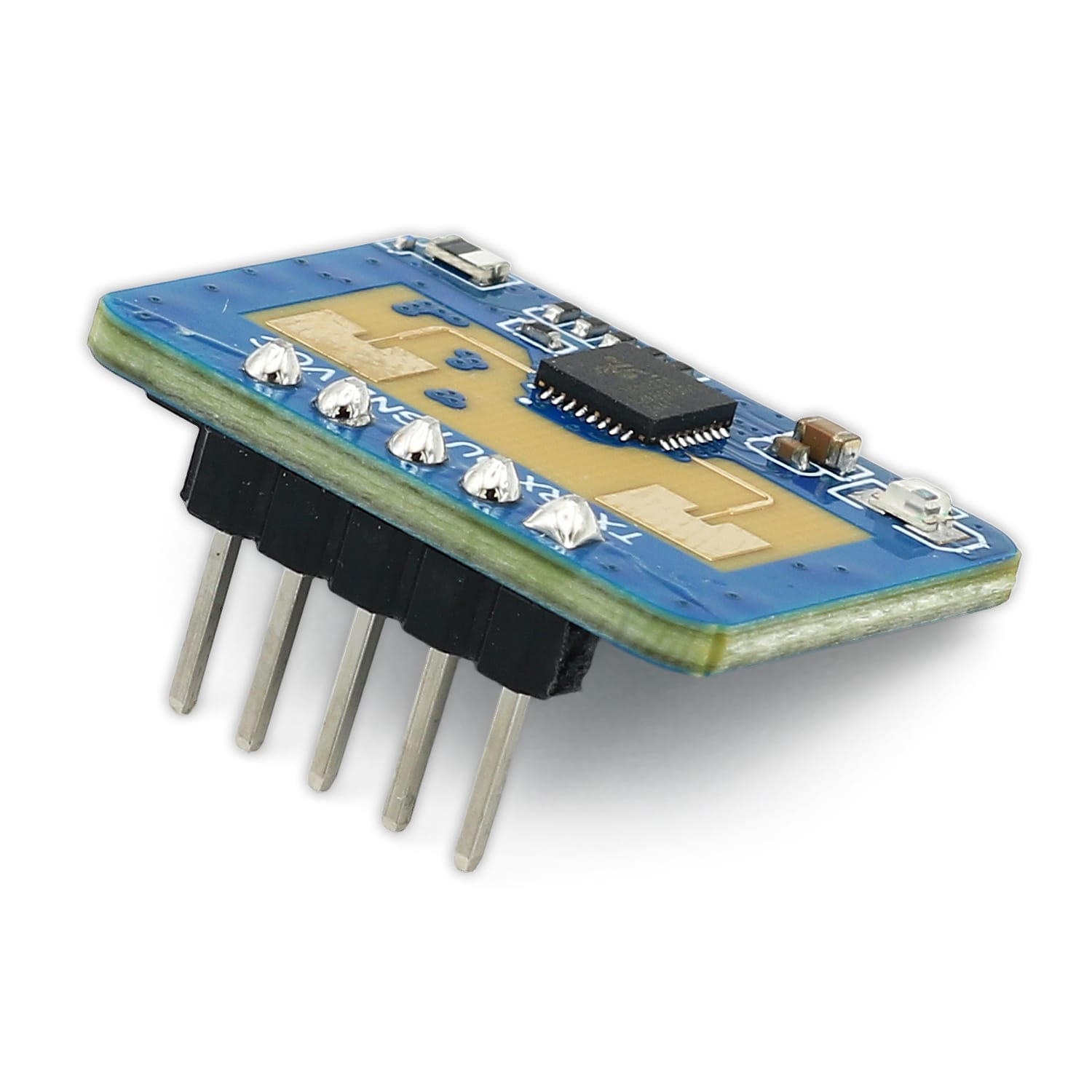
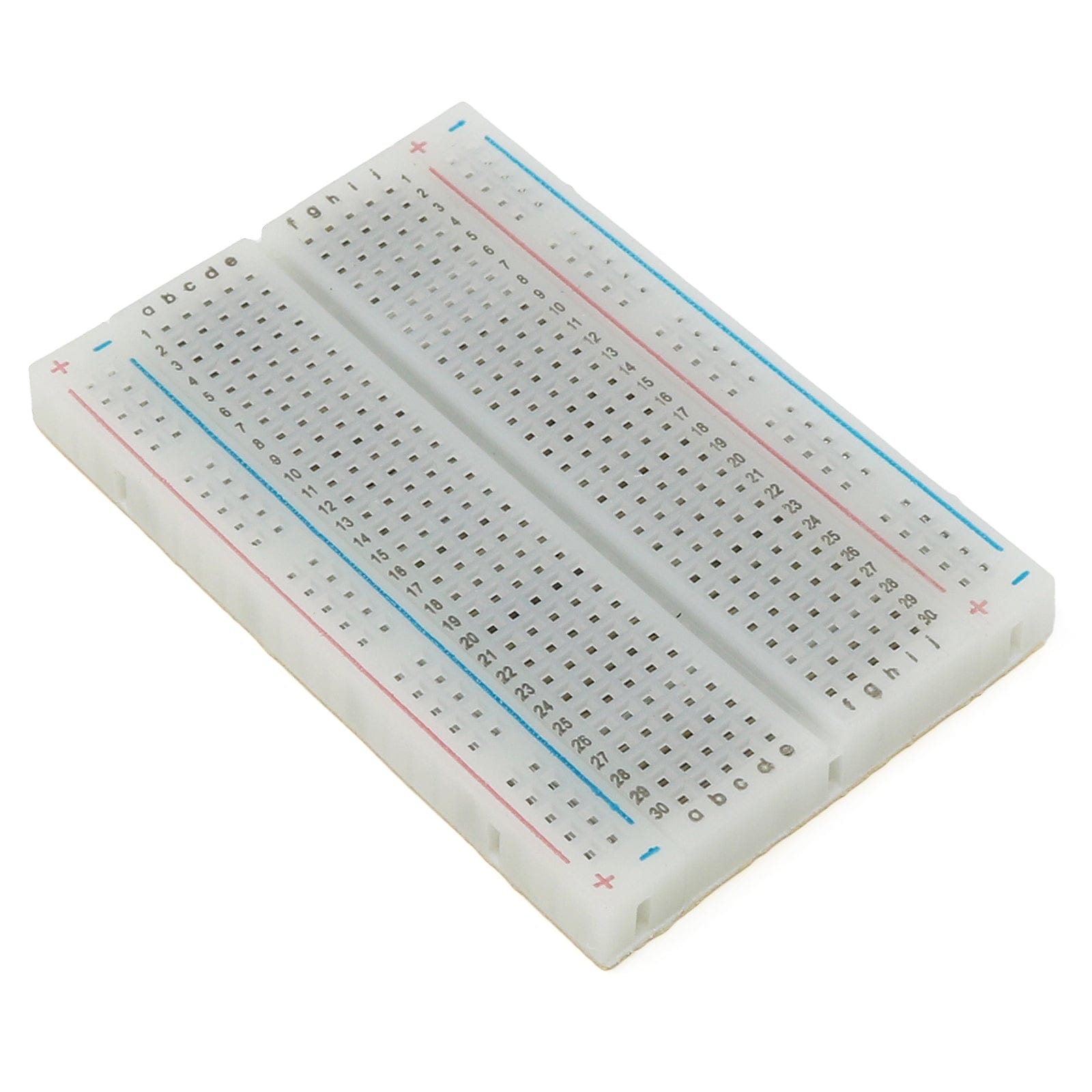
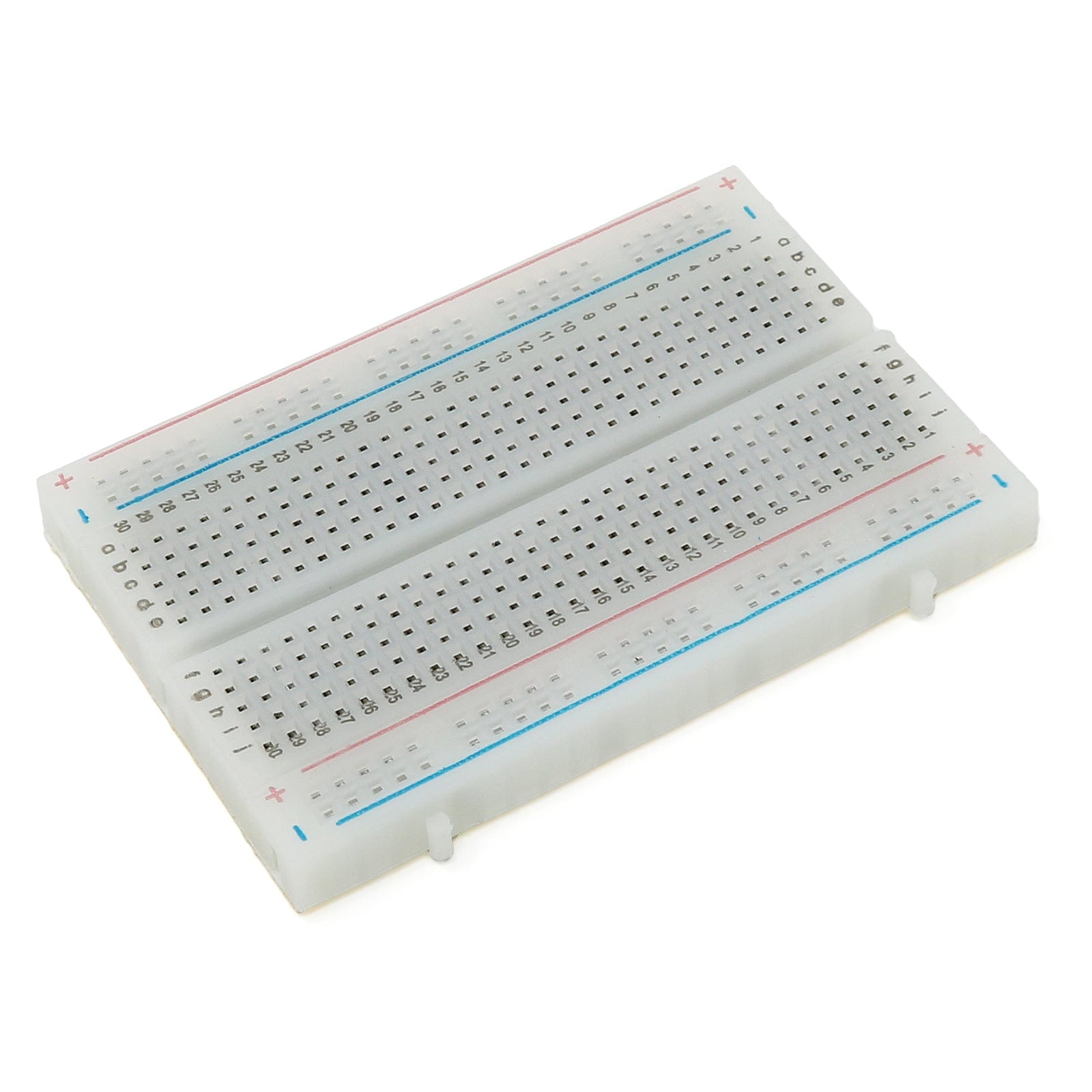
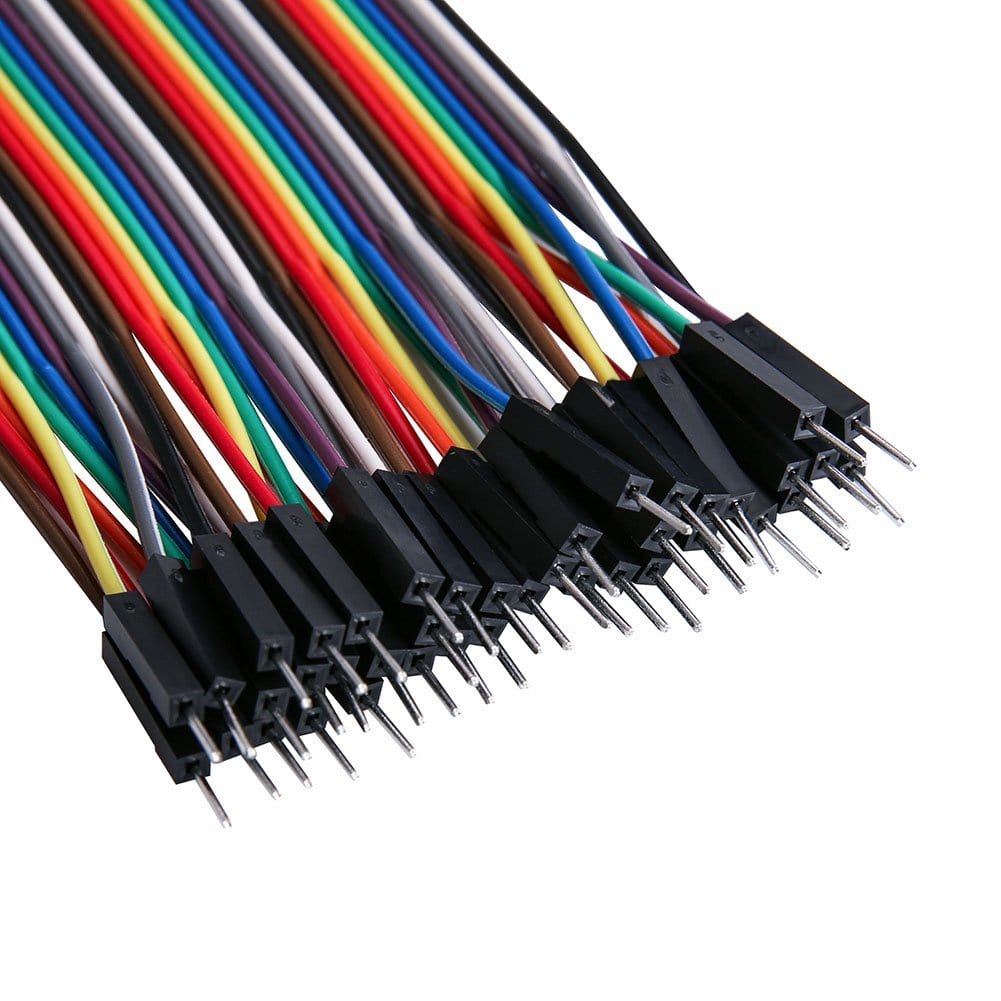
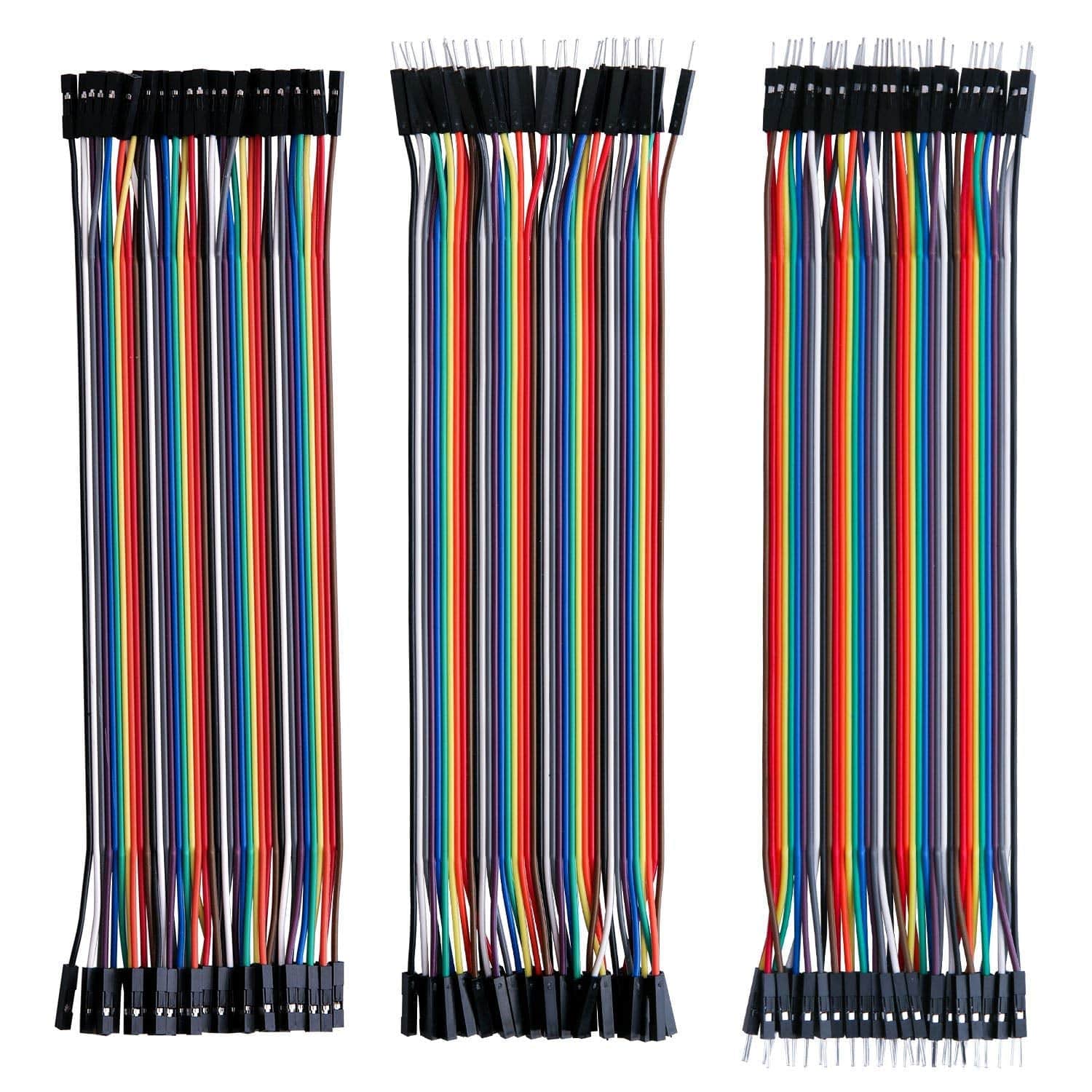
The module comes with a pre-soldered 2.54mm header and is suitable for use with breadboards and jumper wires.
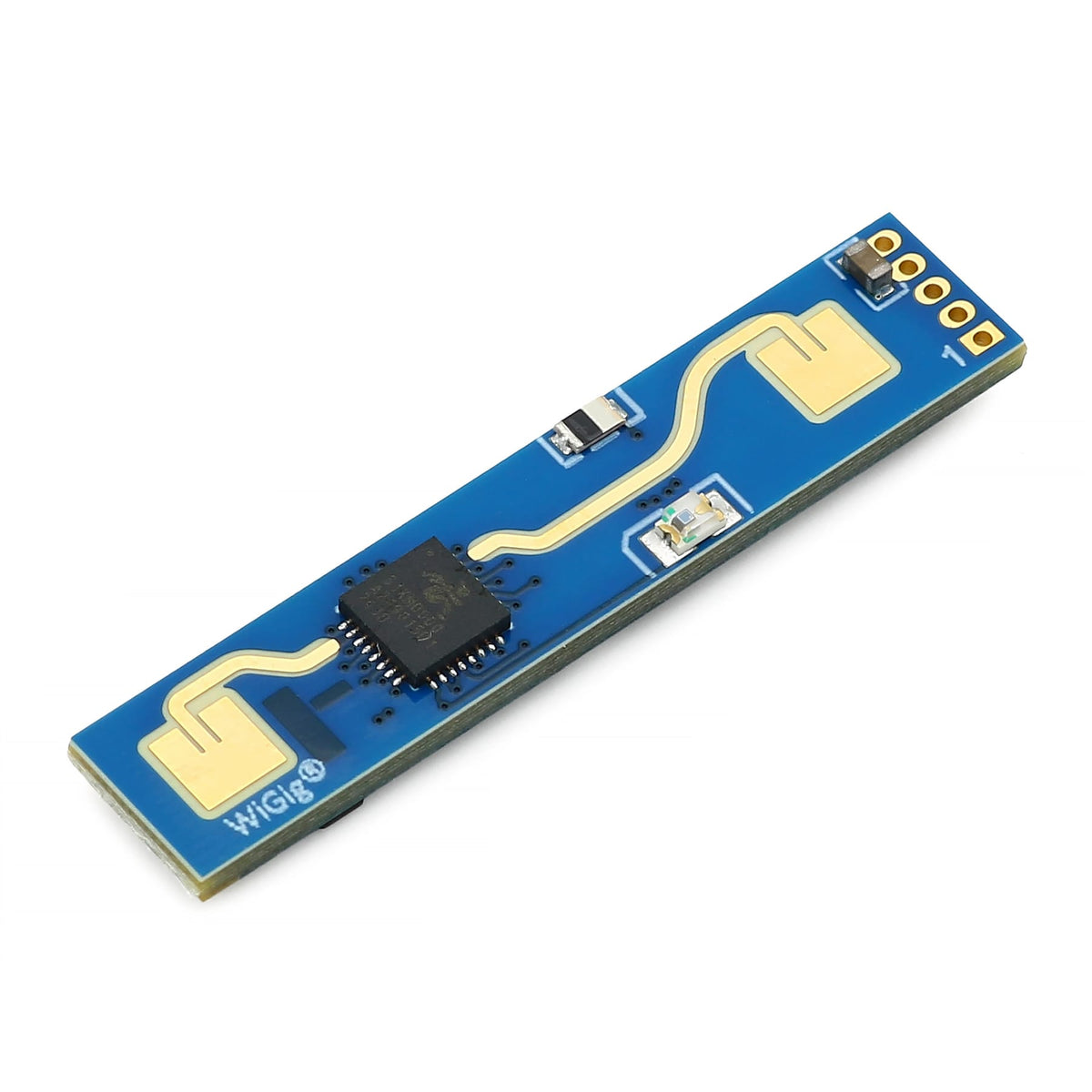
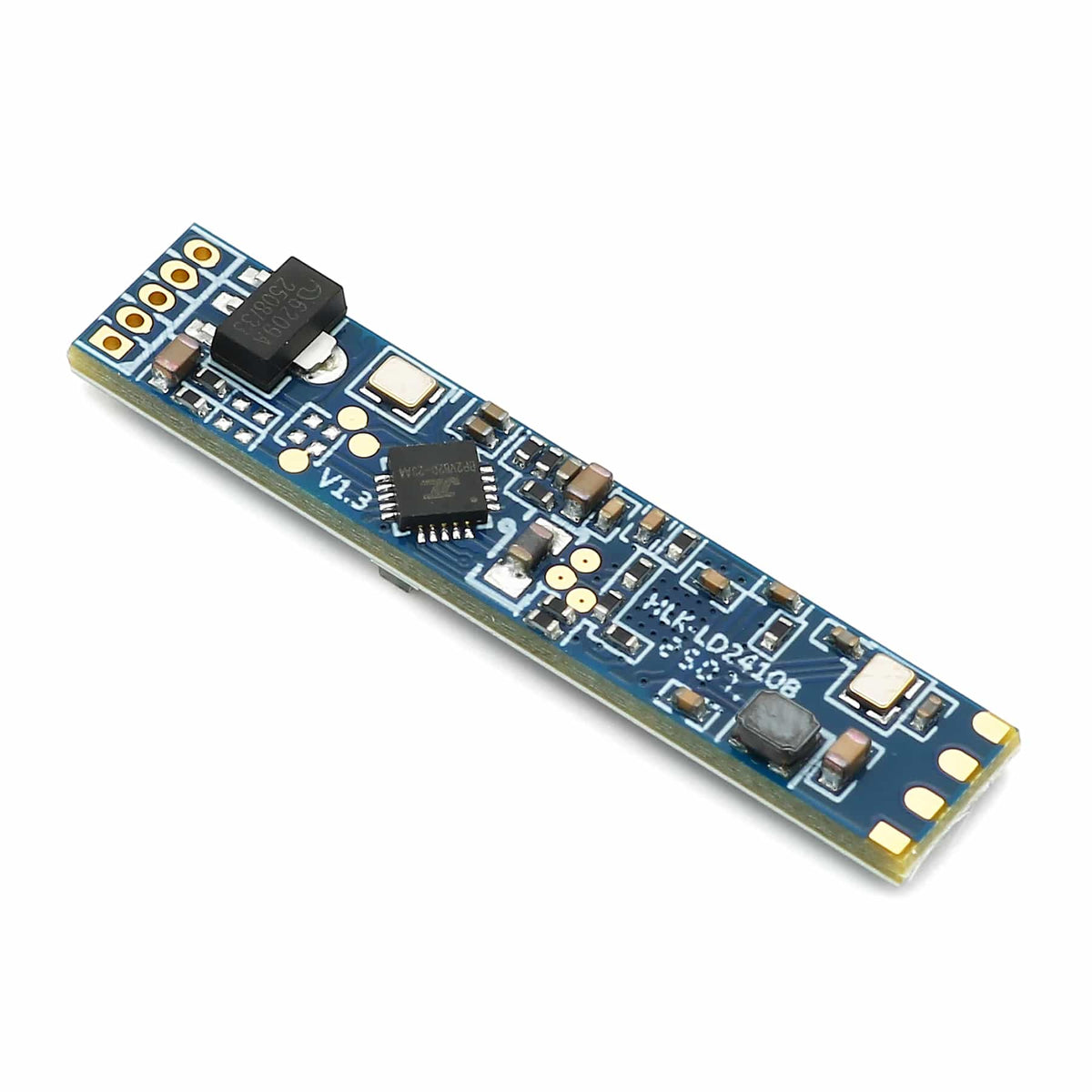
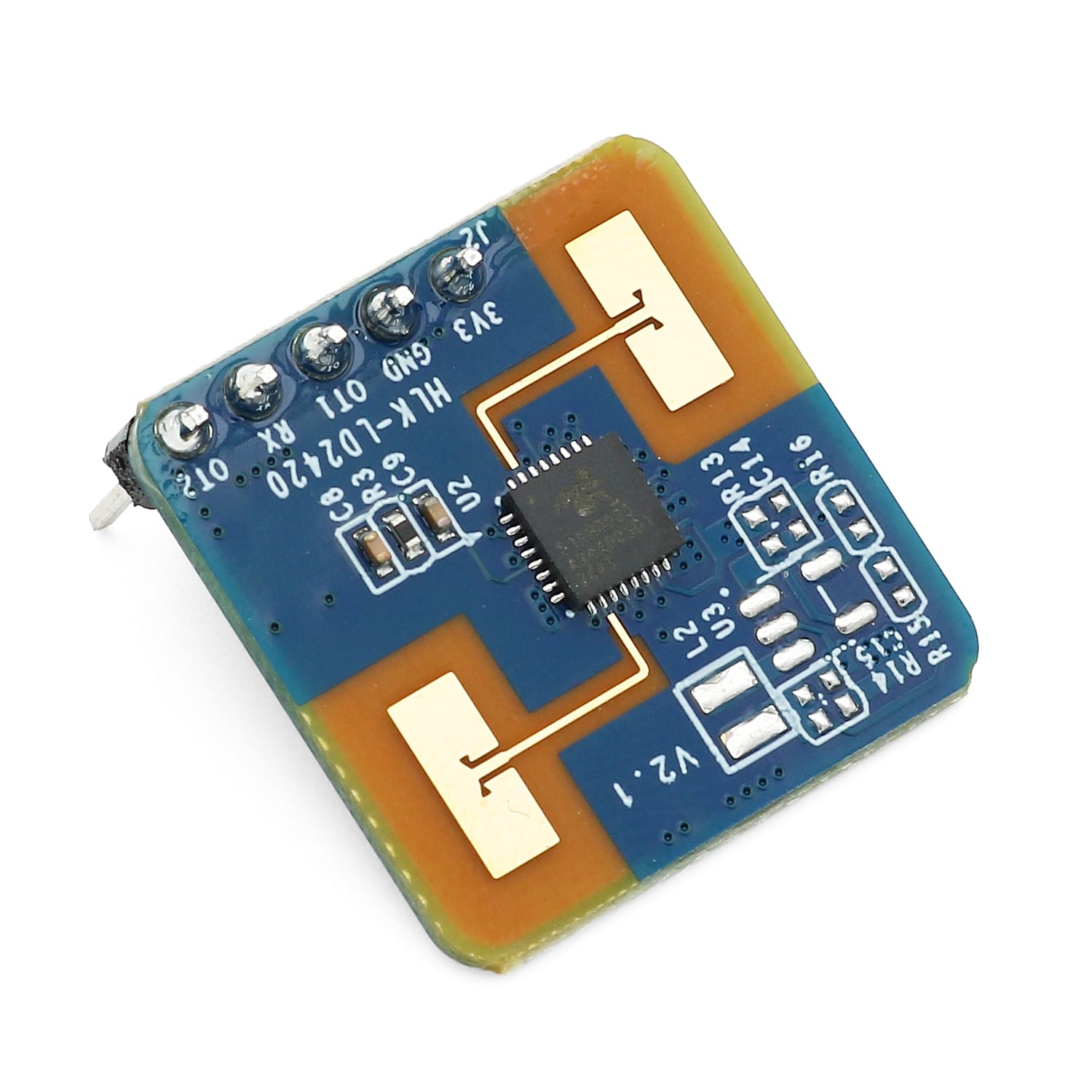
The LD2410C, LD2410B and LD2420 are all 24GHz radar presence sensors capable of detecting normal movement and the smaller movements made by a relatively stationary person. The main differences are their physical format, supply requirements, configuration options and software compatibility.
Note: Sensors of this type are often described commercially as “mmWave” sensors. Strictly speaking, 24GHz has a wavelength of approximately 12.5mm, just outside the conventionally defined millimetre-wave range of 10mm to 1mm.
| LD2410C | LD2410B-P | LD2420 | |
| Supply voltage | 5V | 5V | 3.3V |
| Signal levels | 3.3V compatible | 3.3V compatible | 3.3V |
| Configuration | Bluetooth or UART | Bluetooth or UART | UART |
| Reported target information | Separate moving and stationary target data | Separate moving and stationary target data | Presence, distance and radar energy data |
| Detection tuning | Separate moving and stationary sensitivity for each distance gate | Separate moving and stationary sensitivity for each distance gate | Per-gate trigger and hold thresholds with calibration support |
| Typical maximum range | Approximately 6m | Approximately 6m | Up to approximately 8m |
| Arduino compatibility | Established LD2410 libraries | Established LD2410 libraries | Uses a separate LD2420 protocol and software integration |
| ESPHome compatibility | ESPHome LD2410 component | ESPHome LD2410 component | Separate ESPHome LD2420 component |
| Physical format | Compact, breadboard-friendly PCB | Long, narrow PCB | Compact square PCB |
| Header options | Pre-soldered header | Pre-soldered or headerless variant | Pre-soldered header |
| Best suited to | General prototyping, Bluetooth tuning and established software support | Projects needing a narrow PCB or direct integration without headers | Native-3.3V projects and threshold-based calibration |
| Sensor type | 24GHz FMCW radar presence sensor |
| Detection | Moving and relatively stationary people |
| Maximum detection distance | Up to approximately 6m |
| Supply voltage | 5V |
| Interfaces | UART and digital presence output |
| UART baud rate | 256000 baud by default |
| Logic level | 3.3V-compatible UART and digital output |
| Bluetooth | Monitoring and configuration |
| Pin spacing | 2.54mm |
| Dimensions | Approximately 22 × 16mm |
| Protocol compatibility | LD2410-compatible |
| 1 | TX | UART data transmitted by the radar module. Connect to the microcontroller RX pin. |
| 2 | RX | UART data received by the radar module. Connect to the microcontroller TX pin. |
| 3 | OUT | Digital presence output. Normally HIGH when presence is detected. |
| 4 | GND | Ground connection. |
| 5 | VCC | Power input, typically 5V. |
Your payment information is processed securely. We do not store credit card details nor have access to your credit card information.