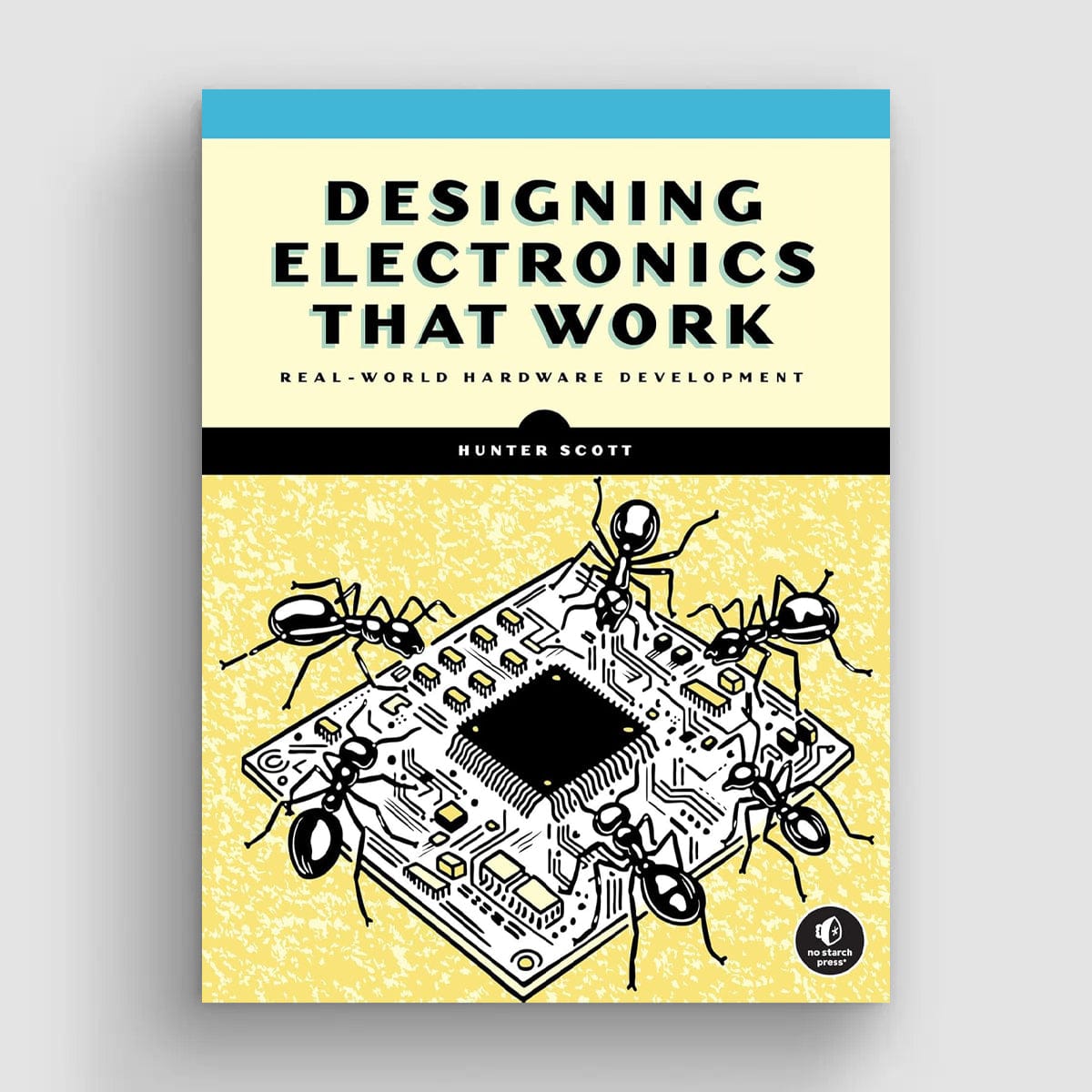
Designing Electronics that Work
Price:
Sale price
£39.90
Stock:
Quantity:
Login / Signup
Cart
Your cart is empty


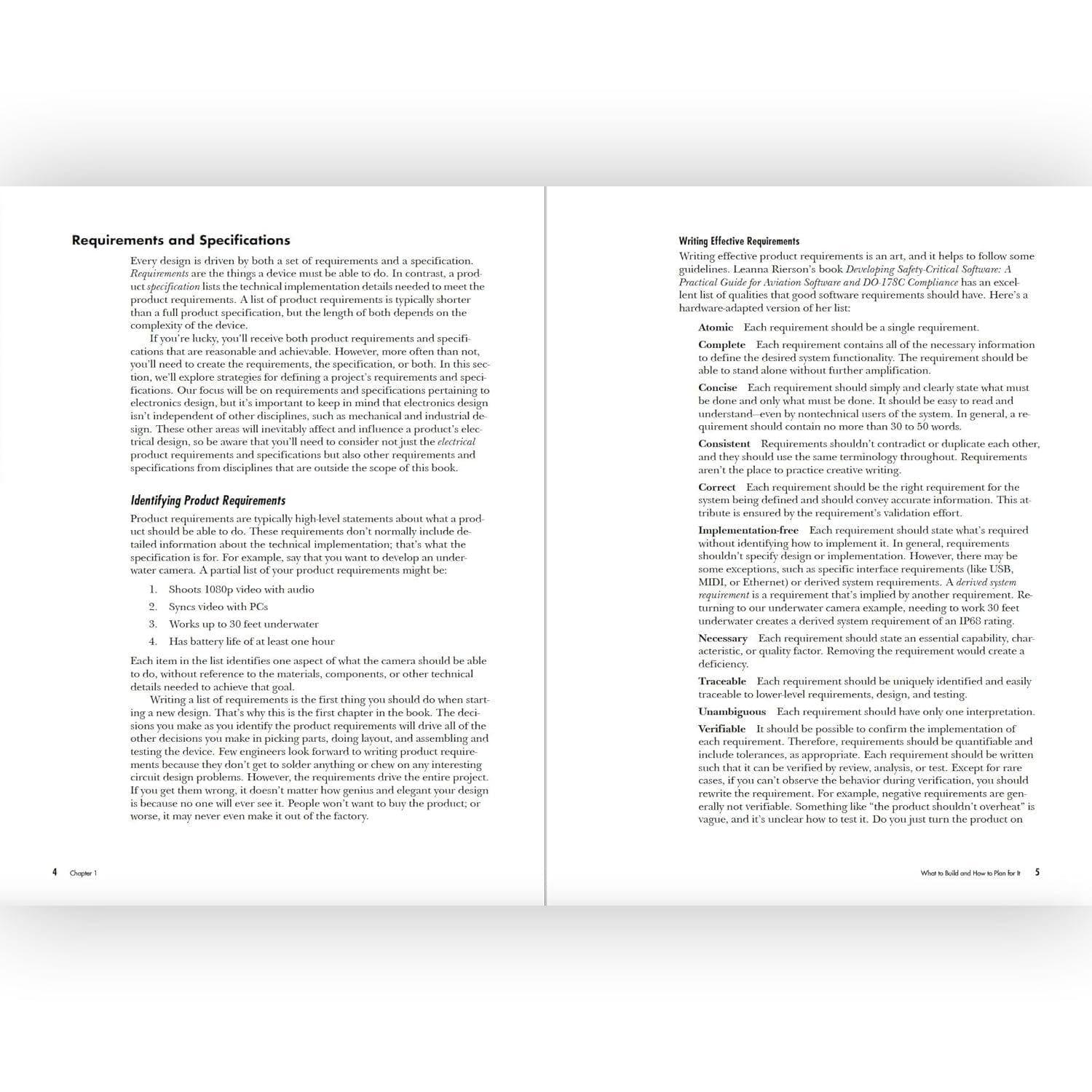
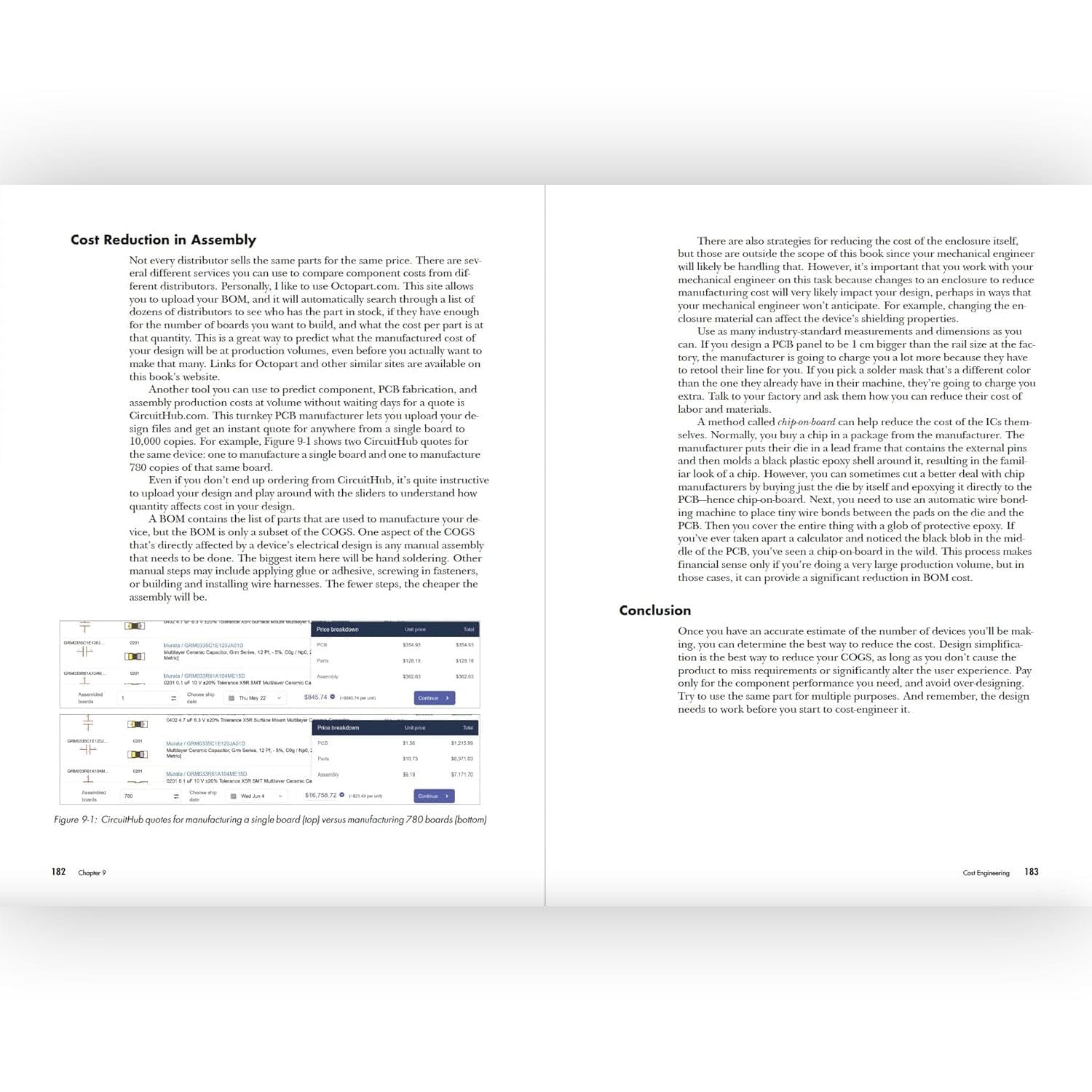
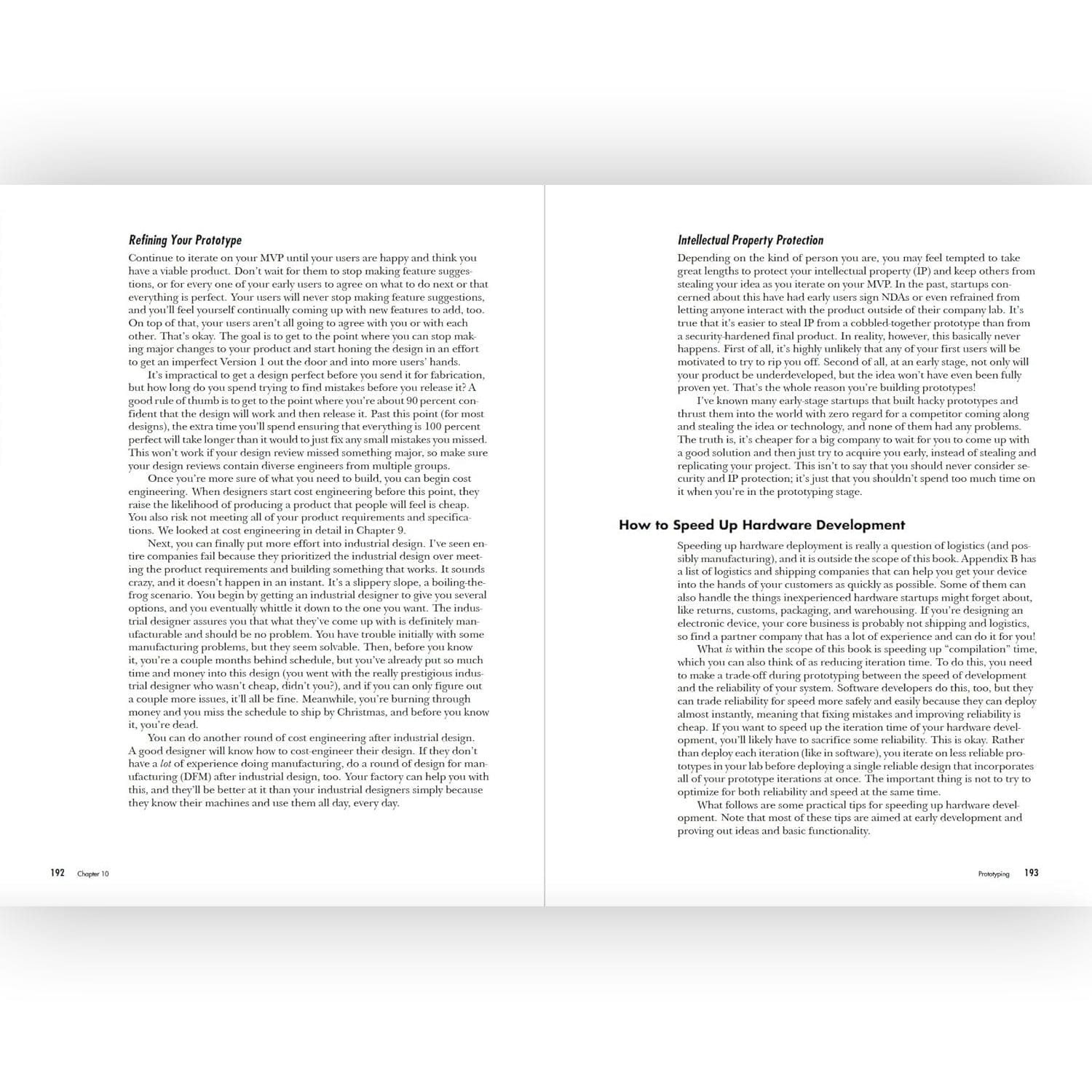
If you’ve ever had a board fail on power-up, spent hours debugging a layout that “should work,” or run into a supplier problem just before a deadline - you already know this isn’t just about theory. It’s about judgment, decisions, and real-world constraints.
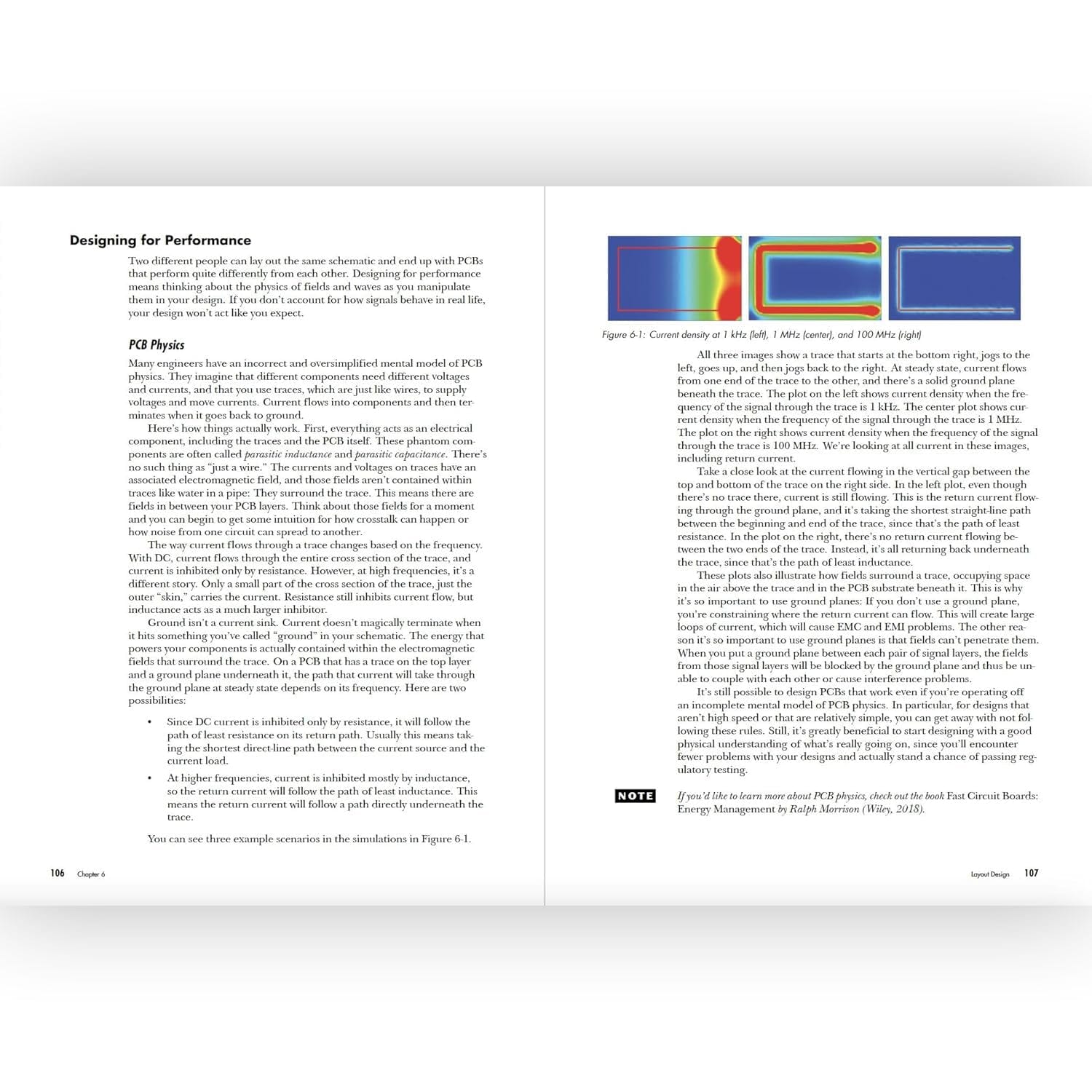
Designing Electronics that Work is a guide to all the practical things you won’t find in a typical electronics textbook. It’s written for people who already know a little - maybe a lot - about circuits, but want to move faster, make fewer mistakes, and ship working hardware with more confidence.
You’ll learn how to:
Hunter Scott has designed electronics for medical devices, RF systems, startups, and art installations. This book reflects what he’s learned, not as theory, but as practice.
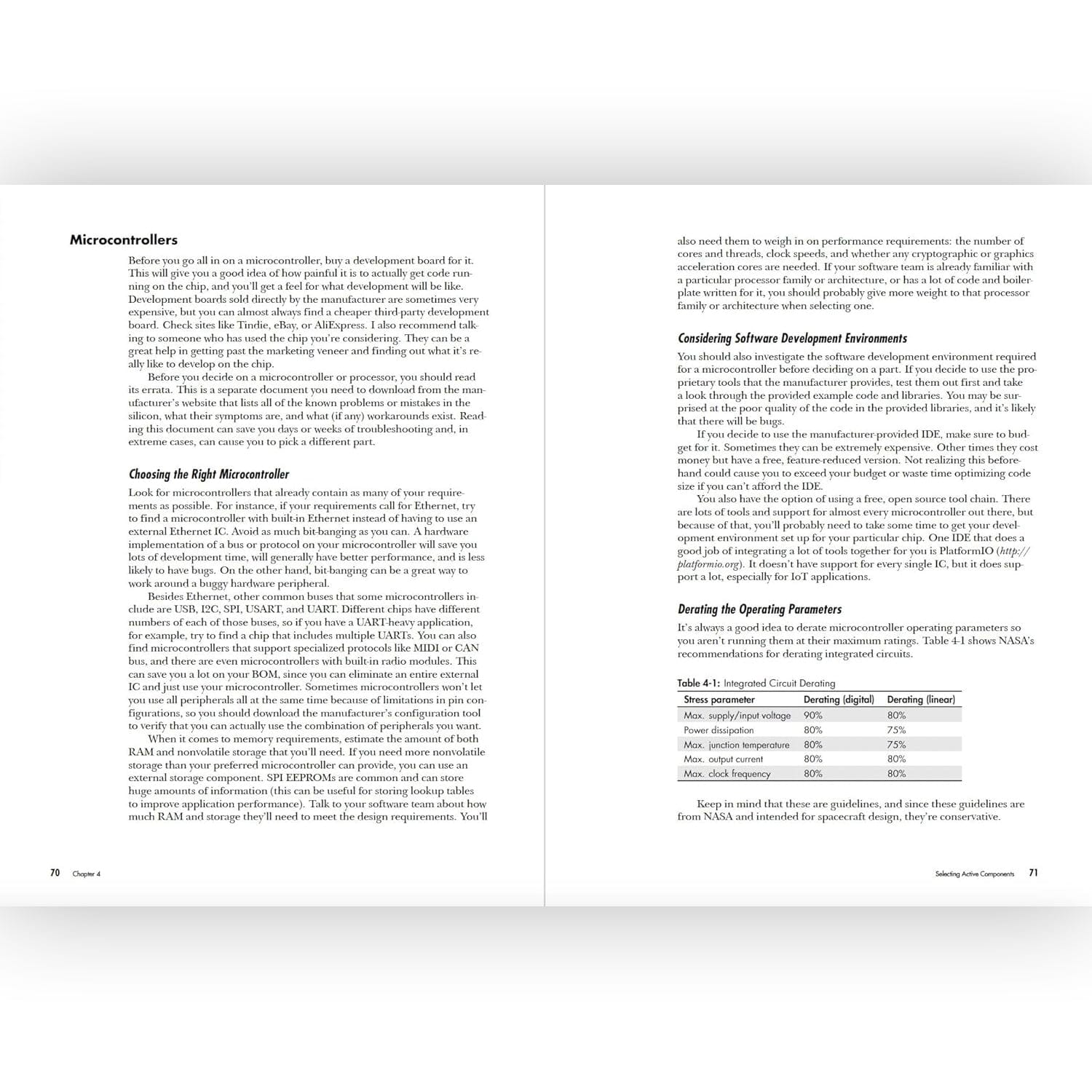
You won’t find chapter-length explanations of what a capacitor is. You will find answers to questions like: Which capacitor should I actually buy? What if the one I spec’d is out of stock? How do I avoid wasting time and money?
Whether you’re a hobbyist moving beyond Arduino, a new grad learning on the job, or an experienced engineer looking to streamline your process—this book will help you build smarter and avoid problems before they start.
Hunter Scott is a founding engineer at Reach Power, a startup working on long range power beaming. He’s been designing hardware for over a decade and holds an engineering degree from Georgia Tech. Scott has spoken at DEF CON, Hackaday Supercon, and Altium Live, and his projects have been featured on NPR and in The Guardian and The Chicago Tribune.
Acknowledgments
Introduction
PART I: PLANNING
Chapter 1: What to Build and How to Plan for It
Chapter 2: Component Specifications and Purchasing
Chapter 3: Selecting Passive Components
Chapter 4: Selecting Active Components
PART II: DESIGNING
Chapter 5: Schematic Design
Chapter 6: Layout Design
Chapter 7: Design For Excellence
Chapter 8: Electromagnetic Compatibility and Immunity
Chapter 9: Cost Engineering
PART III: BUILDING
Chapter 10: Prototyping
Chapter 11: Building a Lab
Chapter 12: Fabrication and Assembly
Chapter 13: Testing
Chapter 14: Troubleshooting
Appendix A: How to Give a Demo
Appendix B: Recommended Resources
Appendix C: Example Fabrication Notes
Your payment information is processed securely. We do not store credit card details nor have access to your credit card information.